
Overview
Surgical training is evolving rapidly as hospitals seek safer, more effective methods to train surgeons without risking patient safety. This case study highlights how XR surgical training solutions were implemented to enhance surgical skills, reduce procedural errors, and improve confidence among surgeons and trainees.
Designed for hospitals, teaching institutions, surgical centers, and simulation labs, the project demonstrates how XR surgical training solutions can bridge the gap between theoretical learning and real-world practice. By using immersive simulations, the training experience became more interactive, precise, and outcome-driven—helping hospitals maintain high standards of patient safety and clinical excellence.
Project Requirement
The client required advanced XR surgical training solutions to support hands-on surgical training without relying solely on cadavers or live surgeries. The solution needed to simulate real surgical scenarios, allowing trainees to practice procedures repeatedly while receiving feedback on accuracy and technique.
Key requirements included:
- Realistic surgical simulations with accurate anatomy
- Step-by-step procedure guidance for trainees
- Real-time performance tracking and feedback
- Integration with hospital training programs and simulation labs
- Scalability to support multiple surgical specialties
The goal was to implement XR surgical training solutions that could improve surgical precision while maintaining patient safety.
Project Planning
The planning phase focused on aligning training goals with clinical learning outcomes. The team collaborated with surgeons, training leads, and simulation coordinators to understand the most critical training needs.
Key planning steps included:
- Identifying high-impact surgical procedures for XR simulation
- Designing realistic surgical scenarios with step-by-step workflows
- Choosing the right XR platform to support smooth performance
- Defining performance metrics and feedback systems
- Ensuring the solution was user-friendly for surgeons of all levels
By planning around real clinical workflows, the XR surgical training solutions were designed to be practical and easily adopted within hospital training programs.
Project Process & Execution
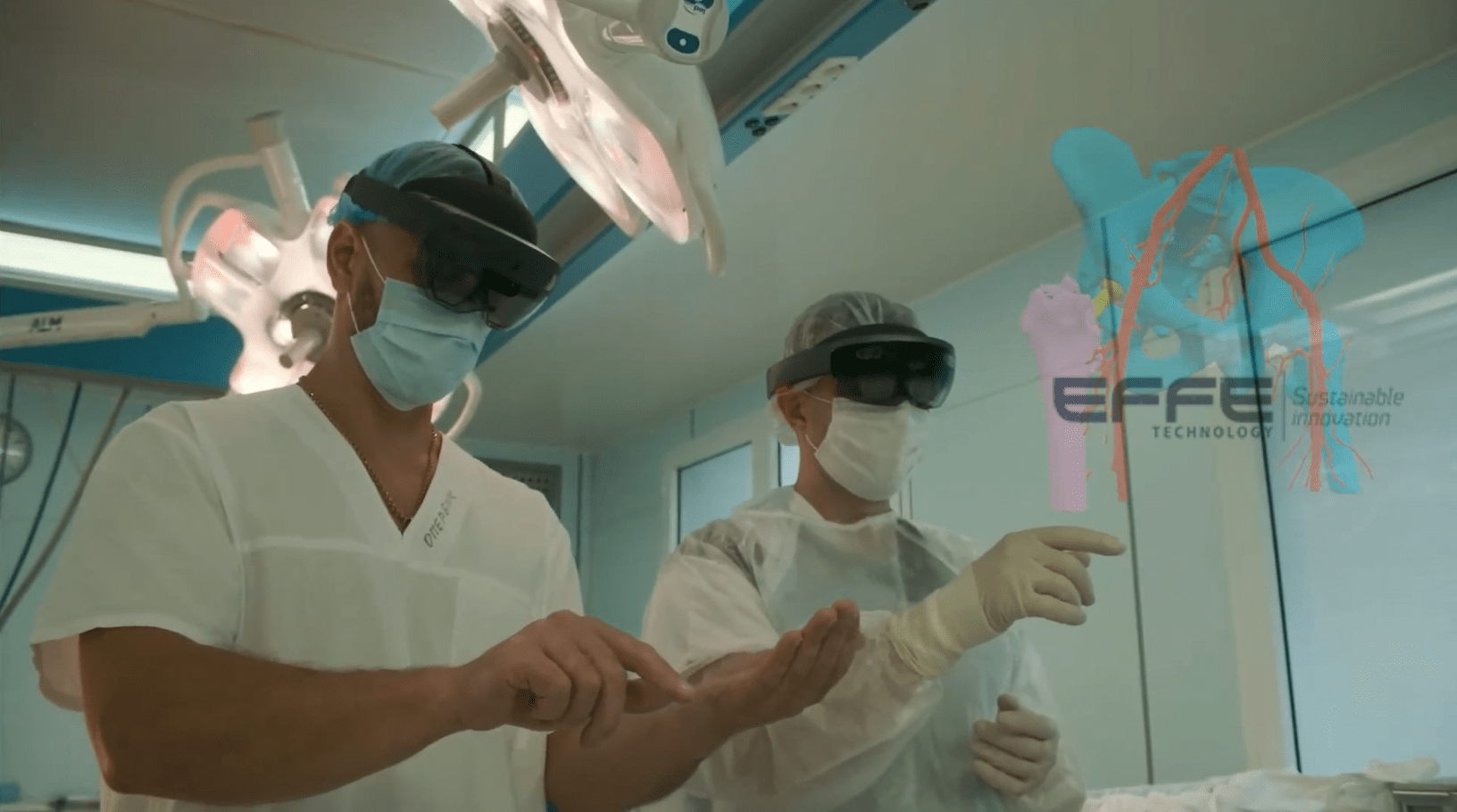
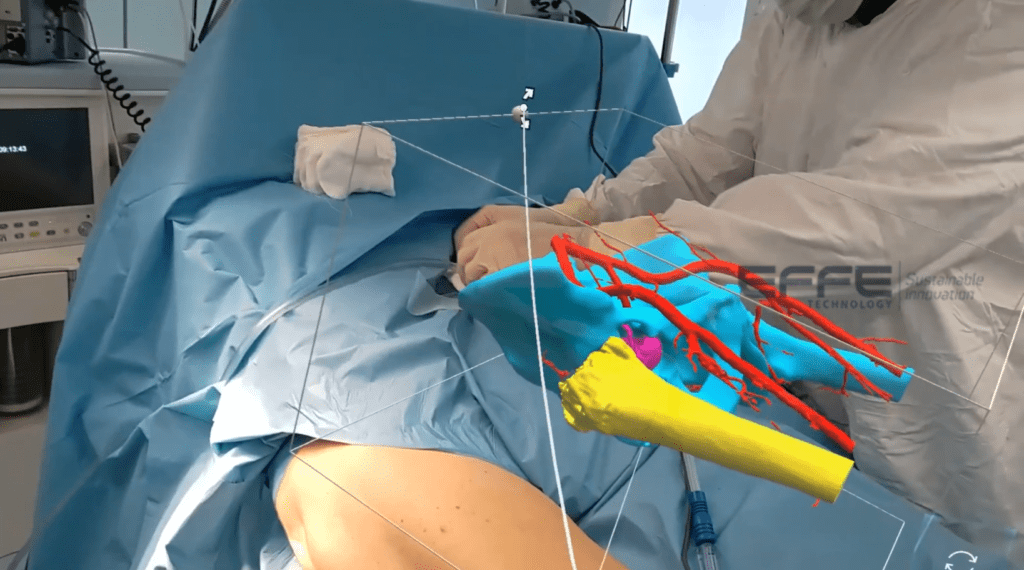
The execution phase began by creating immersive surgical environments and detailed 3D anatomy models. Using xr surgical training simulators, the team developed realistic scenarios for surgical procedures, including tool handling, tissue interaction, and procedural steps.
The training system allowed users to:
- Practice procedures in a controlled virtual environment
- Perform step-by-step surgical tasks with guidance
- Receive real-time feedback on accuracy and timing
- Repeat simulations to improve skill and confidence
With xr in surgical training, trainees could rehearse complex procedures multiple times, which reduced learning time and improved precision. The immersive nature of the training helped surgeons develop muscle memory and decision-making skills that translated directly into real surgeries.
Challenges & Learning
Balancing Realism with Performance
Creating highly realistic surgical environments required detailed anatomy models, but performance had to remain smooth. The team learned that optimization and asset management are key for effective XR surgical training solutions.
User Adoption and Training
Some clinicians were new to XR technology. Simple user interfaces and guided onboarding improved acceptance of xr surgical training simulators.
Maintaining Clinical Accuracy
Surgical procedures demand precision. The team worked closely with surgeons to ensure accuracy, reinforcing the importance of clinical validation in xr in surgical training.
Scalability Across Specialties
Different surgical departments had unique needs. A modular approach allowed the solution to scale across multiple surgical training programs.
Client Deliverables
- Full XR surgical training solutions platform
- Immersive surgical training environments with realistic anatomy
- xr surgical training simulators for key procedures
- Real-time performance tracking and feedback system
- Training-ready assets and documentation for hospitals
Conclusion
This case study proves that XR surgical training solutions can transform surgical education by offering realistic, repeatable, and safe training experiences. Through xr surgical training simulators and xr in surgical training, hospitals can improve surgical precision, reduce errors, and enhance patient safety.
By adopting immersive surgical training, healthcare institutions can build a stronger, more confident surgical workforce—supporting better outcomes and higher standards of clinical care.