
Overview
As diagnostic workloads increase and healthcare systems strive for faster, more accurate clinical decisions, traditional diagnostic workflows often struggle to keep pace. This case study highlights how XR diagnostics in healthcare was implemented to enhance diagnostic accuracy, reduce interpretation time, and support better collaboration among clinicians.
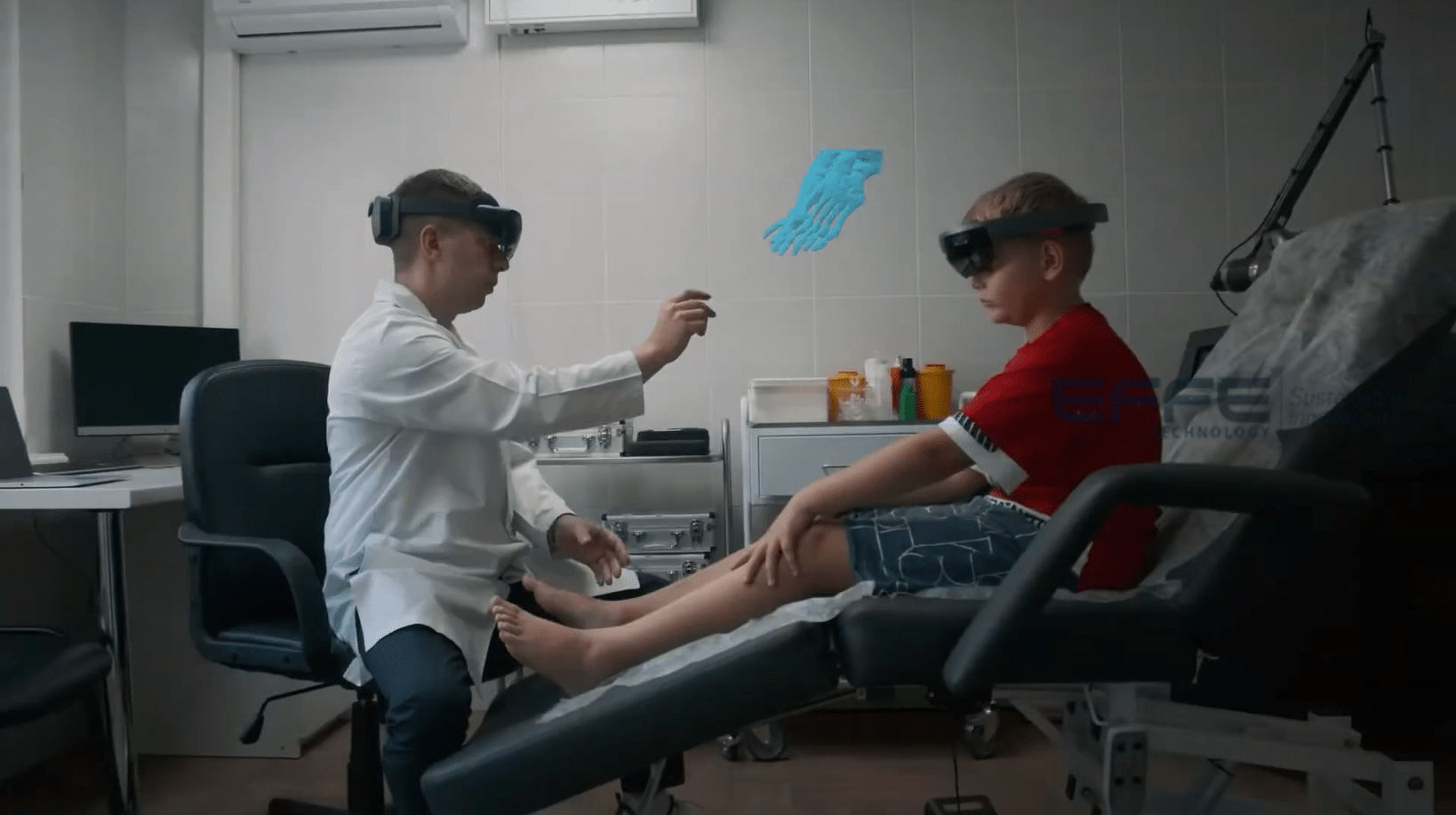
Designed for hospitals, diagnostic centers, and multi-specialty healthcare systems, the solution demonstrates how immersive technologies combined with AI can transform medical imaging and diagnostic review. By integrating Healthcare with AI and XR, clinicians gained a deeper, spatial understanding of complex diagnostic data—leading to faster insights and improved patient outcomes.
Project Requirement
The client required an advanced XR diagnostics in healthcare solution capable of improving how diagnostic data—such as CT scans, MRI images, and pathology visuals—was reviewed and interpreted. Existing 2D screens limited depth perception and slowed decision-making, especially for complex cases.
Key requirements included:
- Immersive visualization of diagnostic data using XR
- AI-assisted analysis to highlight anomalies and risk areas
- Faster diagnostic review without compromising accuracy
- Secure integration with existing healthcare IT systems
- A scalable framework suitable for multiple departments
The goal was to leverage XR and AI in Healthcare Diagnostics to support clinicians with clarity, speed, and confidence.
Project Planning
The planning phase focused on aligning clinical workflows with immersive technology adoption. Radiologists, diagnostic specialists, and IT teams were consulted to ensure the XR experience complemented real-world diagnostic routines.
Key planning considerations included:
- Identifying diagnostic scenarios where XR diagnostics in healthcare adds maximum value
- Defining AI support levels for anomaly detection and prioritization
- Designing intuitive XR interactions for medical professionals
- Ensuring compliance with healthcare data security standards
By combining clinical insights with Healthcare with AI and XR, the solution was structured to be practical, reliable, and easy to adopt.
Project Process & Execution
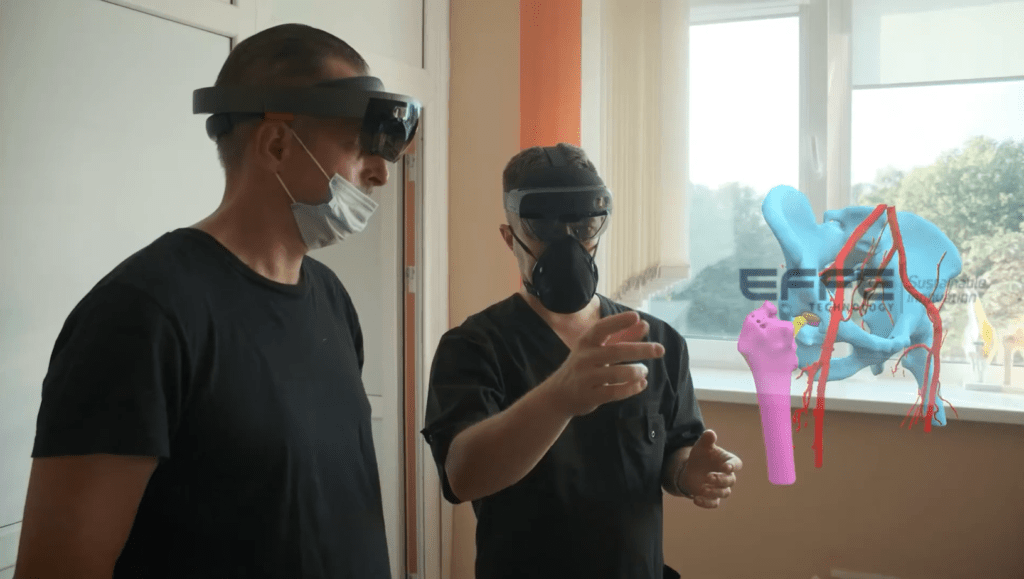
The execution phase began with integrating AI models capable of analyzing diagnostic images and flagging areas of interest. These AI-generated insights were then visualized within an immersive XR environment, allowing clinicians to explore data spatially.
Using XR diagnostics in healthcare, medical professionals could:
- Examine diagnostic images in 3D space
- Interact with layered AI-assisted insights
- Compare datasets collaboratively in real time
- Reduce interpretation time for complex cases
The use of XR and AI in Healthcare Diagnostics enabled clinicians to move beyond flat images, supporting more confident and informed clinical decisions.
Challenges & Learning
Balancing AI Insights with Clinical Judgment
AI outputs needed to support—not override—medical expertise. This reinforced the importance of human-centered design in Healthcare with AI and XR.
Data Complexity and Performance
High-resolution medical data required optimization to ensure smooth XR performance without compromising diagnostic detail.
User Adoption
Some clinicians were new to immersive tools. Guided workflows and intuitive controls improved acceptance of XR diagnostics in healthcare.
System Integration
Ensuring compatibility with existing diagnostic systems highlighted the need for flexible, standards-based architecture.
Client Deliverables
- AI-assisted XR diagnostics in healthcare platform
- Immersive visualization of medical imaging data
- XR-ready diagnostic workflows for clinical teams
- Secure, scalable solution for multi-department use
- Training-ready assets for clinician onboarding
Conclusion
This project demonstrates how XR diagnostics in healthcare can redefine clinical decision-making by combining immersive visualization with intelligent analysis. Through Healthcare with AI and XR, clinicians gained faster insights, improved diagnostic confidence, and enhanced collaboration.
By integrating XR and AI in Healthcare Diagnostics into existing workflows, healthcare organizations can reduce diagnostic delays, improve accuracy, and deliver better patient care. This case study highlights a future-ready approach where technology supports clinicians with clarity, trust, and measurable impact