
Overview
Preoperative planning is critical for complex surgical procedures, yet traditional planning methods—based on 2D imaging, CT/MRI scans, and paper-based models—often limit spatial understanding and procedural precision. Surgeons and medical teams face challenges in visualizing organ structures, anticipating complications, and communicating effectively with their teams. This case study highlights how virtual reality organ visualization transformed surgical planning into an immersive, precise, and collaborative process, enhancing patient safety and surgical outcomes.
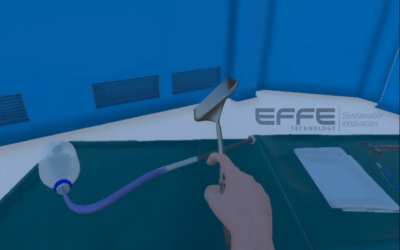
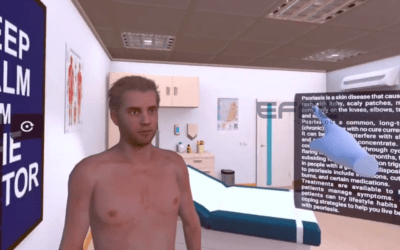
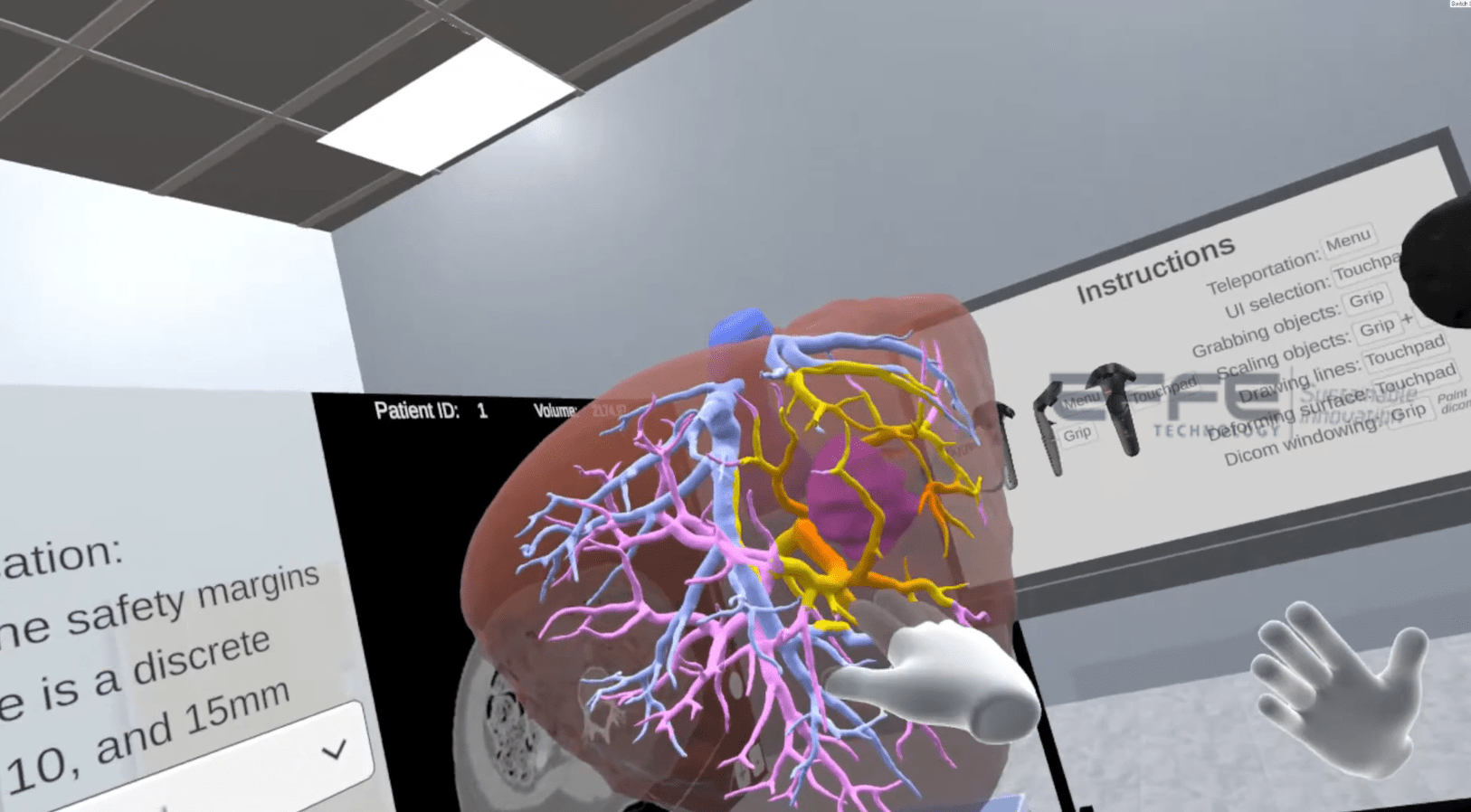
By implementing virtual reality organ visualization, the client enabled surgeons to explore patient-specific organ models in 3D, manipulate anatomical structures interactively, and simulate surgical steps before entering the operating room. The platform allowed the team to understand spatial relationships, identify critical structures, and rehearse complex procedures, significantly reducing uncertainty and improving confidence. This approach positioned the institution as a pioneer in advanced surgical simulation and technology-driven operative planning.
Project Requirement
The client aimed to enhance surgical accuracy and efficiency by adopting a vr organ simulation platform capable of translating CT and MRI data into immersive, interactive 3D models. The objective was to create a tool that supported preoperative insight, surgical rehearsal, and team collaboration.
Key requirements included:
- Enterprise-grade virtual reality organ visualization platform
- High-fidelity 3D anatomy models for patient-specific organs
- Interactive simulation of surgical procedures
- Support for multiple specialties, including cardiovascular, abdominal, and orthopedic surgery
- Real-time collaboration for surgical teams
- Cross-device compatibility (VR headsets, desktops, surgical labs)
- Secure, healthcare-grade infrastructure with patient data compliance
The foundation of the project was surgical accuracy, safety, and a seamless integration into preoperative workflows.
Project Planning
Planning focused on translating medical imaging into realistic, clinically relevant virtual models. Surgeons, radiologists, medical educators, and VR developers collaborated to design workflows that reflected real-life surgical procedures while maximizing usability and visualization accuracy.
Planning activities included:
- Mapping surgical workflows for high-risk procedures
- Translating CT/MRI datasets into interactive 3D organ models
- Designing immersive vr organ simulation environments for rehearsal
- Integrating 3D anatomical visualization with preoperative planning protocols
- Performance, security, and scalability planning for hospital-wide deployment
This ensured the platform was not only immersive but also clinically reliable, trusted by surgeons, and practical for routine use.
Project Process & Execution
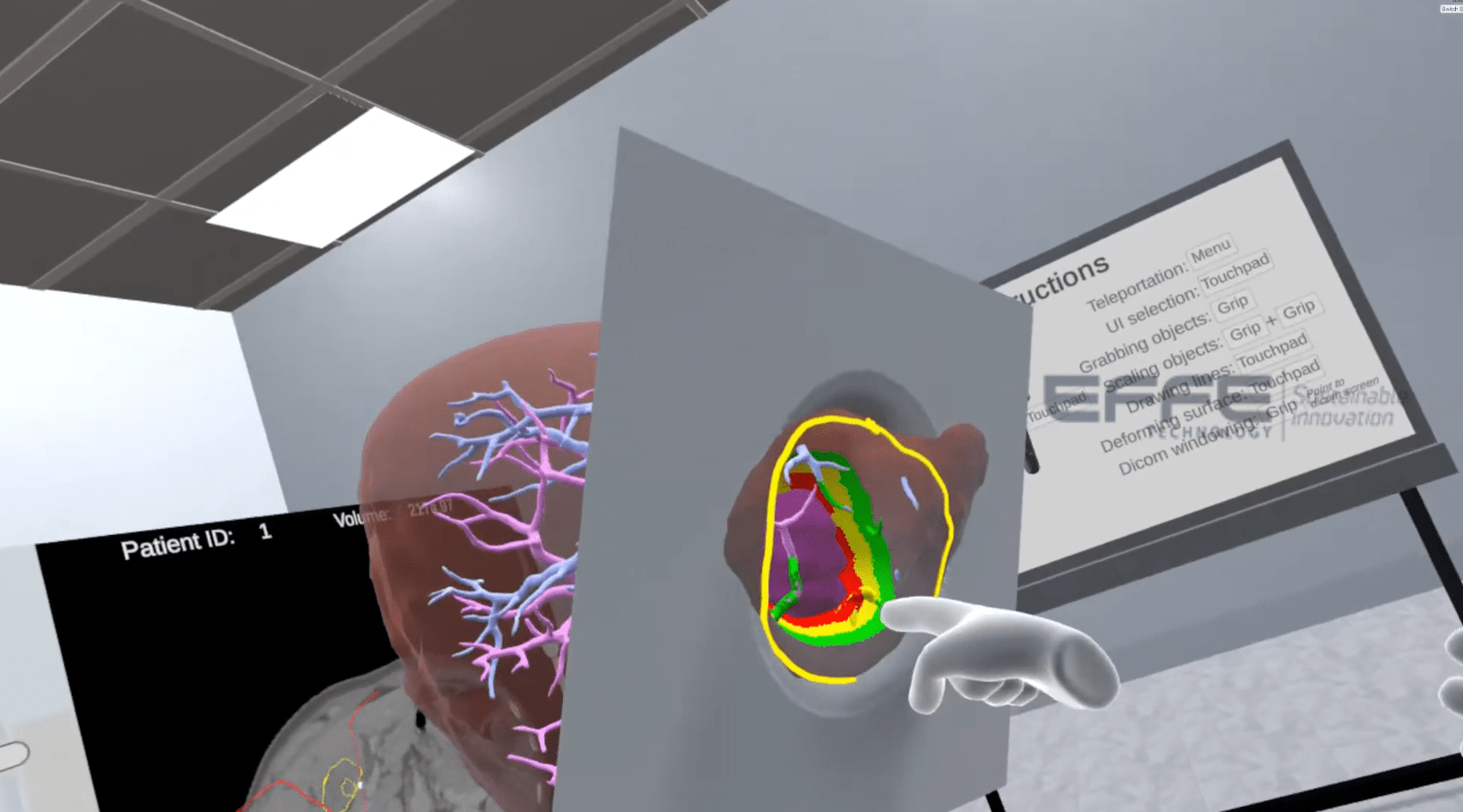
Execution involved developing patient-specific 3D models using advanced imaging processing, realistic texture mapping, and anatomical fidelity. The team deployed virtual reality organ visualization across surgical planning centers, teaching hospitals, and simulation labs.
Through the platform, surgeons could:
- Explore 3D anatomy visualization of organs from multiple angles
- Manipulate and isolate structures for enhanced clarity
- Simulate complex surgical procedures and rehearse critical steps
- Collaborate with peers in virtual rehearsal sessions
- Analyze surgical approaches and anticipate potential challenges
- Integrate feedback into patient-specific surgical strategies
The system unified preoperative visualization, simulation, and team collaboration into one connected workflow, empowering surgical teams with confidence and precision.
Challenges & Learning
- Clinical Accuracy: Required ongoing collaboration with radiologists and surgeons for anatomical fidelity
- User Adoption: Intuitive interfaces improved usability among surgical teams
- Performance Optimization: High-resolution models demanded GPU-intensive rendering
- Scalability: Platform needed to support multiple operating rooms and surgical teams
- Integration: Ensuring compatibility with existing hospital imaging systems
These learnings enhanced platform reliability, surgeon trust, and clinical value.
Client Deliverables
- Enterprise virtual reality organ visualization platform
- Full-scale vr organ simulation modules
- Interactive 3D anatomy visualization environments
- Multi-user collaboration features for surgical rehearsal
- Secure healthcare-grade infrastructure
- Scalable deployment across surgical and training centers
Conclusion
This project demonstrates how virtual reality organ visualization is redefining preoperative planning. By combining immersive technology, vr organ simulation, and 3D anatomy visualization, the platform delivers safe, engaging, and clinically trusted surgical planning experiences. Surgeons gain confidence and precision, surgical teams improve collaboration, and healthcare institutions enhance patient outcomes. With this solution, preoperative planning evolves from traditional imaging into an intelligent, immersive, and patient-centric surgical ecosystem—built on trust, innovation, and clinical excellence.