
Overview
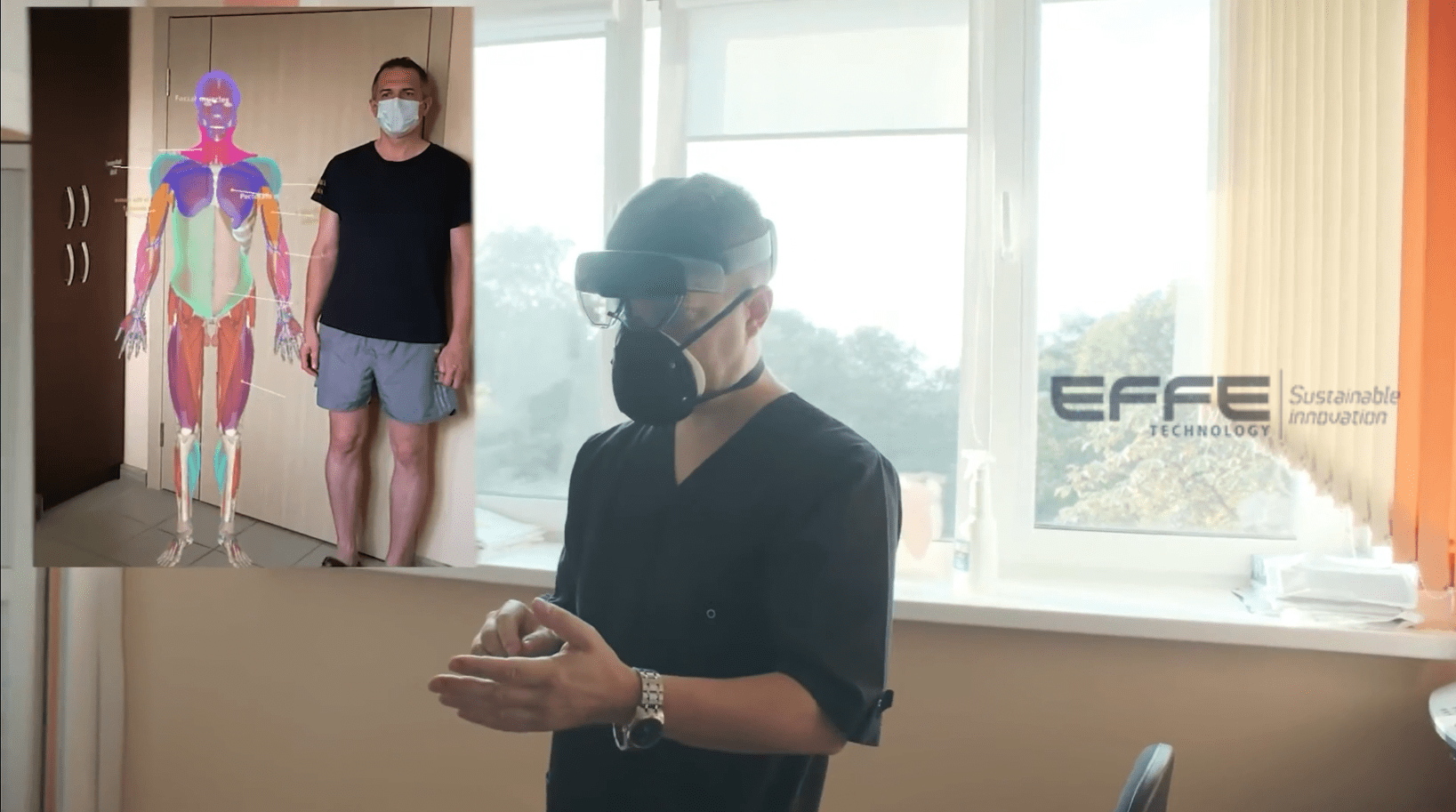
In the rapidly evolving healthcare landscape, remote consultations are becoming essential for patient care. However, ensuring consistent quality, accuracy, and patient comfort in virtual settings remains a major challenge. This case study explains how we implemented an XR device simulator for remote healthcare consultations to improve clinical accuracy, enhance patient engagement, and support healthcare teams in delivering better remote care.
Project Requirement
The client—a leading healthcare provider with a strong telemedicine presence—needed a solution to standardize remote consultations across multiple clinics and doctors. The key requirement was to use an XR device simulator for remote healthcare consultations that would help clinicians practice and refine virtual examination workflows without the need for physical presence. The goal was to ensure clinicians could deliver the same quality of care remotely as they do in-person.
Project Planning
During the planning phase, we identified key pain points in remote clinical consultations. Many clinicians lacked consistent training on remote diagnostic tools, and patients often faced uncertainty about the quality of care they would receive online. To address this, the team designed an XR simulation for remote clinical consultations that could be used for training, evaluation, and process standardization.
The planning stage focused on:
- Mapping clinical workflows for remote consultations
- Defining scenarios for common remote diagnostics
- Ensuring usability for clinicians and patients
- Integrating the simulator into existing telemedicine systems
The planning ensured that the XR device simulator for remote healthcare consultations would be practical, scalable, and easy to adopt.
Project Process & Execution
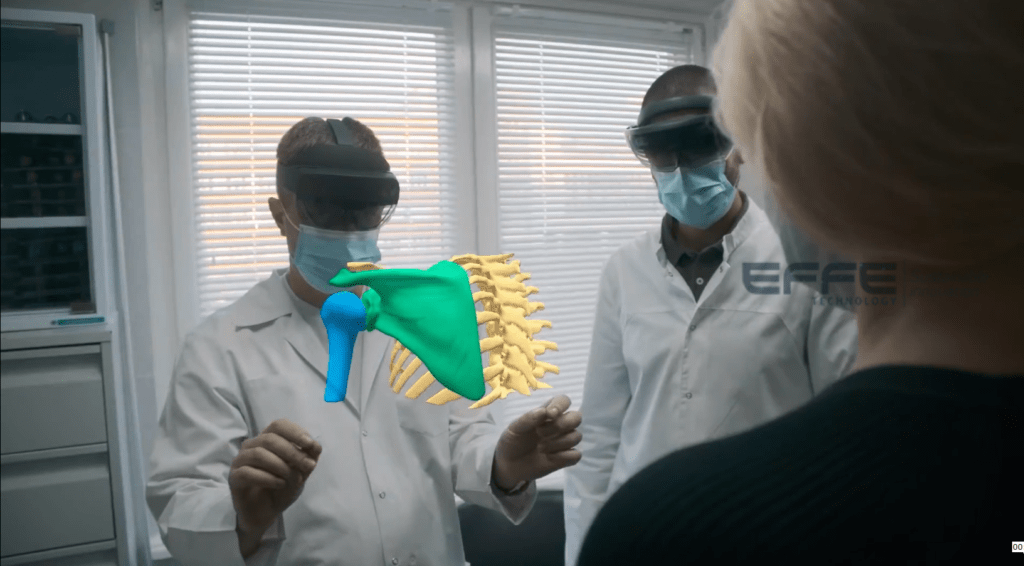
The execution phase involved developing a realistic XR device simulator for remote healthcare consultations that allowed clinicians to practice virtual examinations, patient interactions, and diagnostic procedures in a controlled virtual environment. The simulator included interactive modules such as virtual patient assessments, clinical decision-making scenarios, and remote monitoring demonstrations.
Key execution highlights included:
- Developing a realistic XR simulation environment
- Building guided training modules for clinicians
- Enabling remote collaboration and feedback features
- Integrating with existing telemedicine platforms
This approach helped clinicians gain confidence and improve their remote consultation skills. The XR device simulator for healthcare ensured that doctors could practice clinical scenarios without any risk to patients, which strengthened the quality of care in remote consultations.
Challenges & Learning
One of the major challenges was ensuring the XR simulation reflected real clinical scenarios accurately. Healthcare workflows are complex, and creating a simulator that feels realistic required close collaboration with clinicians. Another challenge was user adoption—clinicians needed a simple, intuitive interface to use the simulator without technical barriers.
Key learnings included:
- Realistic simulation increases clinician confidence
- Simple UX is crucial for adoption in healthcare environments
- Standardized training improves remote consultation quality
- XR simulation for remote clinical consultations supports scalable training
These learnings helped us refine the XR device simulator for remote healthcare consultations, making it more efficient and user-friendly.
Client Deliverables
The final deliverables included:
- A complete XR device simulator for remote healthcare consultations
- Training modules for clinicians and healthcare staff
- Performance reports and analytics for monitoring improvement
- A scalable platform that can be used across multiple clinics
The XR device simulator for healthcare delivered a measurable improvement in clinician readiness and patient satisfaction for remote consultations.
Conclusion
This case study demonstrates how an XR device simulator for remote healthcare consultations can significantly improve the quality of telemedicine services. By providing realistic training and standardized processes, healthcare providers can enhance patient trust, reduce errors, and deliver consistent care across remote settings. The solution proves that XR simulation for remote clinical consultations is not just a technological innovation—it is a practical tool for better patient outcomes and improved healthcare delivery