
Overview
In modern defense training, traditional methods alone are no longer enough to prepare military forces for complex, real-world scenarios. This case study highlights how XR military training programs were implemented to strengthen combat readiness, mission planning, and tactical decision-making through immersive simulations. Designed for defense organizations, training commands, and simulation centers, this solution demonstrates how XR military training programs can improve training efficiency, reduce operational risk, and build confidence among defense personnel.
Project Requirement
The defense client needed a scalable training solution to simulate realistic combat scenarios without exposing soldiers to real-world risks. Their main goal was to implement XR military training programs that could support mission rehearsals, tactical training, and decision-making drills across multiple training units. The solution had to:
- Provide realistic combat and mission scenarios
- Enable remote training and simulation exercises
- Improve response time and decision accuracy
- Allow scalable training across multiple defense units
- Support performance tracking and training analytics
The client wanted XR military training programs that were practical, secure, and easy to deploy across their training commands.
Project Planning
The planning phase focused on aligning XR military training programs with defense training objectives and operational standards. The team collaborated with military training commanders and doctrine heads to understand mission requirements, tactical workflows, and training outcomes. Key planning steps included:
- Identifying critical training scenarios and mission types
- Mapping real-world combat processes into immersive simulations
- Ensuring compliance with defense training standards
- Designing training modules for different roles and units
- Establishing performance metrics for evaluation
This approach ensured the XR military training programs were realistic, mission-focused, and aligned with defense training goals.
Project Process & Execution
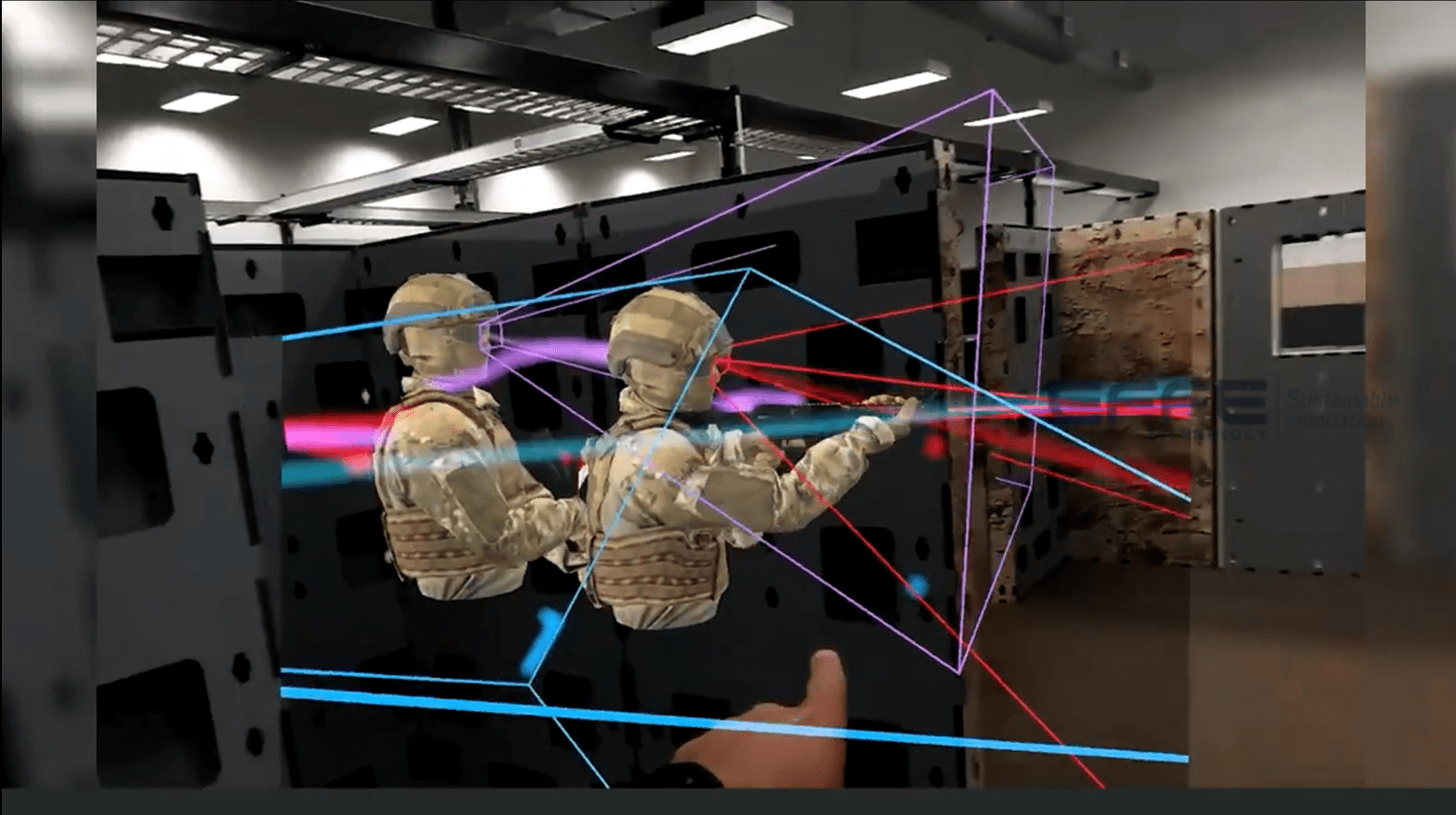
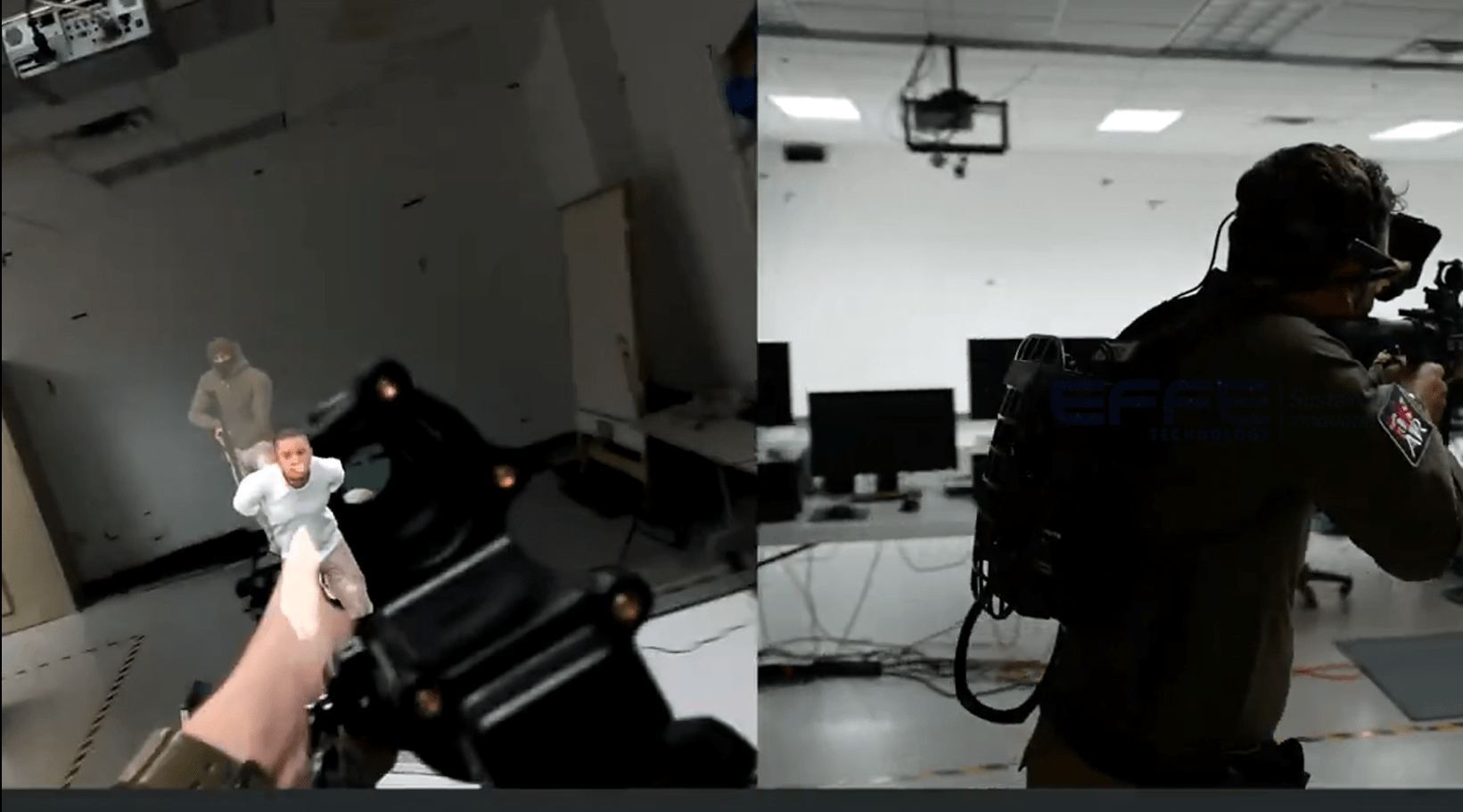
Execution began by converting real combat data, terrain maps, and tactical scenarios into immersive XR environments. The team built realistic simulations to replicate battlefield conditions, including weather, terrain, and threat dynamics. The XR military training programs enabled trainees to practice tactical maneuvers, mission planning, and decision-making under pressure.
Key features included:
- Realistic mission simulations with dynamic threats
- Role-based training modules for soldiers, commanders, and support units
- Collaborative training for team-based operations
- Real-time performance tracking and feedback
- Secure deployment for defense-grade use
By implementing XR military training programs, the defense forces experienced enhanced training realism without the risks associated with live exercises. The XR defense training simulation approach helped reduce training costs while improving training frequency and consistency.
Challenges & Learning
One challenge was ensuring the simulation environment matched real-world military scenarios accurately. Balancing realism with performance and usability was critical. Another challenge was adapting the training modules for different defense units with varying operational needs.
Key learnings included:
- Realism increases training effectiveness, but performance optimization is essential
- Structured mission scenarios improve trainee engagement
- Training analytics provide valuable insights for continuous improvement
- Collaborative simulations strengthen team coordination and communication
These learnings helped refine the XR military training programs and improved the overall training outcomes.
Client Deliverables
- Fully developed XR military training programs for combat readiness
- Secure deployment for defense training units
- Mission-focused training modules for different roles
- Real-time performance analytics and training reports
- Scalable simulation framework for future training expansions
Conclusion
This case study demonstrates how XR military training programs can transform defense training from traditional drills into immersive, realistic simulations. By using XR defense training simulation and XR combat training solutions, defense forces improved mission readiness, reduced training risk, and achieved higher confidence in combat decision-making.