
Overview
As a Spatial Computing Company focused on next-generation retail experiences, EFFE Technology partnered with furniture retailers to redefine how customers explore products online and in-store. The goal was to deliver an XR furniture experience that removes uncertainty from purchase decisions while increasing engagement, confidence, and conversion rates.
Inspired by real-world applications such as immersive XR showrooms and interactive product demonstrations, this project demonstrates how XR furniture visualization can transform product experience across Retail & E-commerce environments.
The Challenge
Furniture retail faces a unique challenge: customers want to see, feel, and imagine products in their own space before buying. Traditional images, videos, and even 3D viewers fail to answer critical questions:
- Will this furniture fit my space?
- How will materials and colors look in real lighting?
- Can I trust the product without physically touching it?
The core challenge was to build customer confidence without physical interaction, while ensuring realistic product details, smooth performance, and accessibility across devices and environments.
The Solution: XR Furniture Visualization Powered by Spatial Computing
As a Spatial Computing Company, we designed a seamless XR furniture experience that allows customers to explore furniture naturally in their real environment using mobile devices or XR platforms.
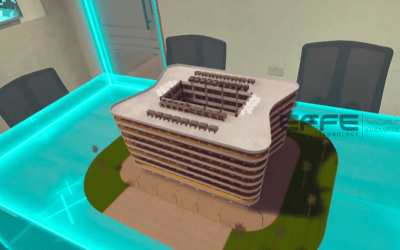
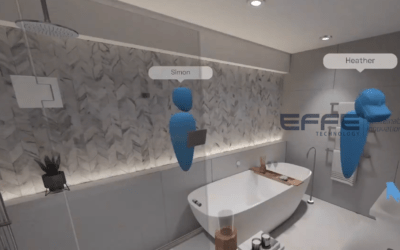
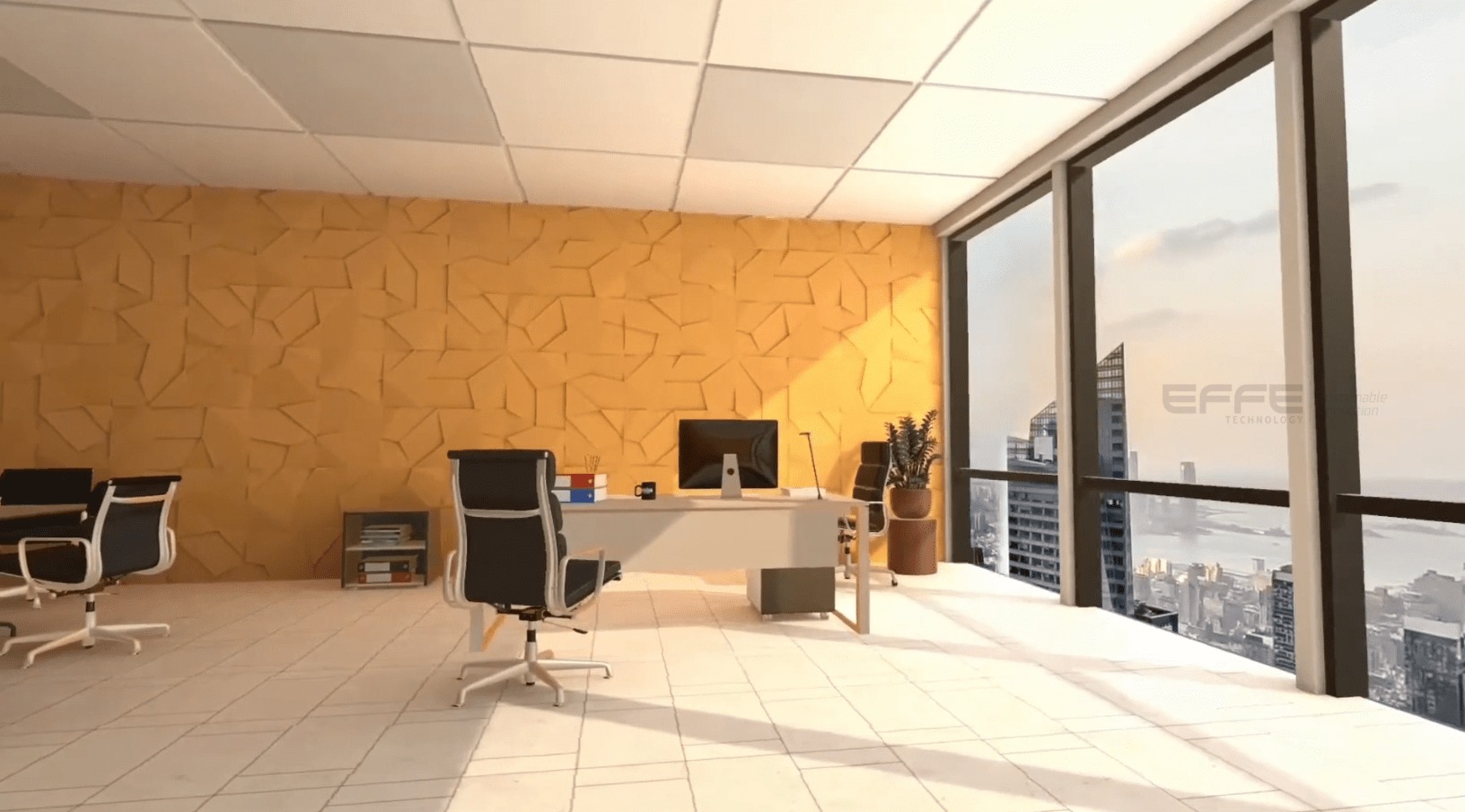
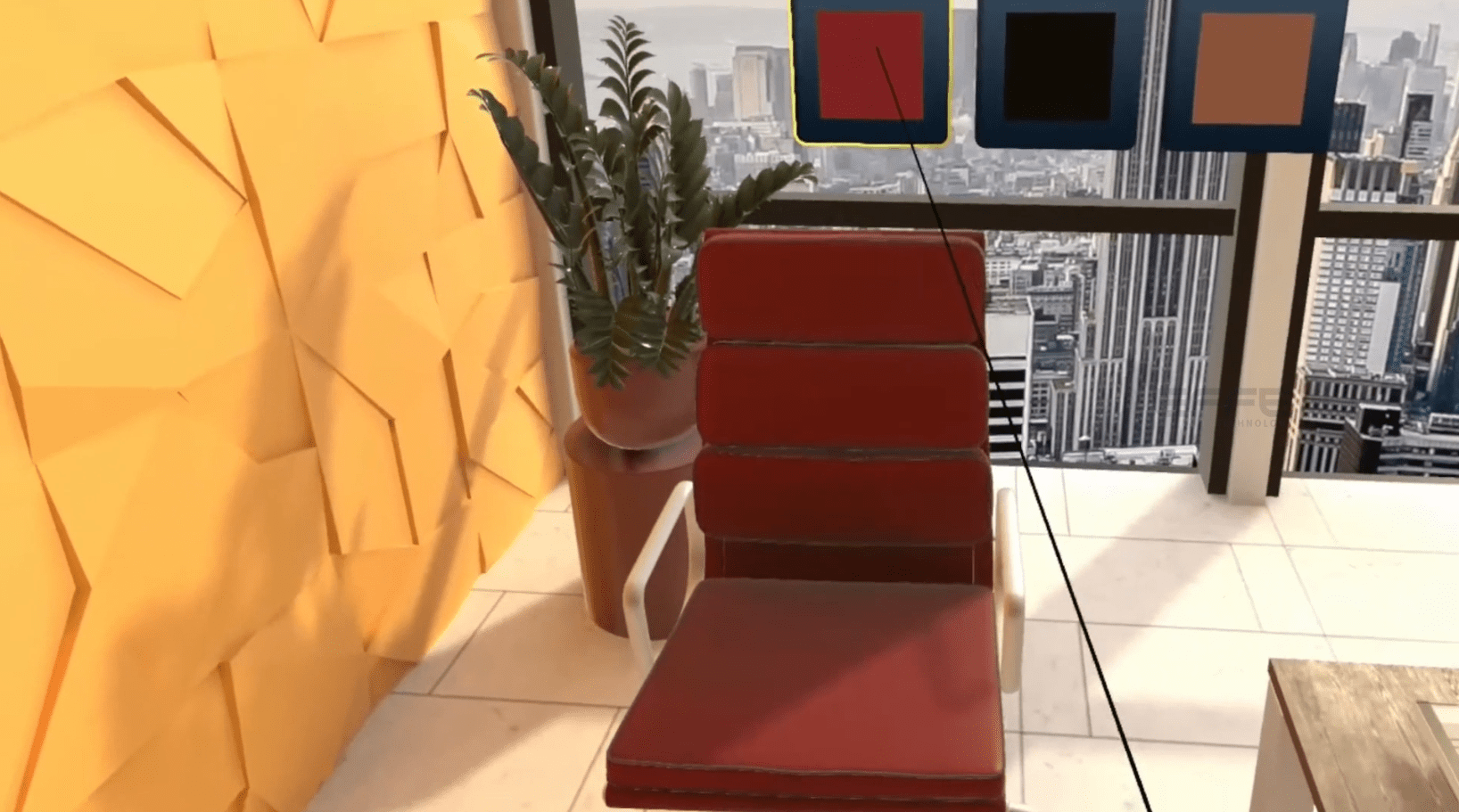
Through advanced XR furniture visualization, customers can place furniture at true scale, move around it, inspect textures, and customize finishes in real time. This immersive furniture experience feels intuitive, natural, and human—bridging the gap between online browsing and in-store shopping.
By combining spatial mapping, real-time lighting, and physics-based rendering, we delivered smart furniture visualization using XR that closely mirrors real-world perception.
Project Planning
The project was structured around delivering a customer-first spatial experience that enhances trust and usability. Key planning priorities included:
- Designing natural interactions for effortless exploration
- Ensuring product realism to support confident decision-making
- Building a scalable XR solution adaptable to multiple retail use cases
Each element of the XR furniture experience was aligned with improving the customer journey and reducing purchase hesitation.
Project Process & Execution
- Spatial Computing Implementation for real-world surface detection and accurate product placement
- High-Fidelity 3D Asset Creation with precise dimensions and material accuracy
- Interactive Product Controls for rotation, customization, and configuration
- Performance Optimization to ensure smooth XR furniture visualization across environments
This execution approach resulted in a smart furniture visualization using XR that performs seamlessly while maintaining realism.
Challenges & Learnings
- Designing natural ways for customers to explore products intuitively
- Achieving realistic materials and textures essential for an immersive furniture experience
- Maintaining performance consistency across different lighting conditions and physical spaces
- Building trust and confidence without relying on physical touch
These challenges strengthened the overall XR solution and refined the spatial experience.
Client Deliverables
- Immersive Spatial Product Experience
- High-Quality 3D Furniture Assets
- Interactive XR Product Controls
- Optimized XR Furniture Visualization for Retail & E-commerce
Conclusion
This case study highlights how XR furniture visualization, developed by an experienced Spatial Computing Company, enables customers to confidently explore and evaluate furniture products in their own environment. By delivering a realistic, intuitive, and immersive furniture experience, retailers can reduce uncertainty, improve engagement, and build lasting customer trust. Smart furniture visualization using XR is no longer a futuristic concept—it is a practical, scalable solution shaping the future of furniture retail.