
Overview
Surgical planning for complex procedures, especially orthognathic and maxillofacial surgeries, demands precision, foresight, and collaboration. Traditional methods—using 2D imaging, static models, or mental visualization—can limit a surgeon’s ability to fully understand patient-specific anatomy and anticipate challenges. This often leads to increased intraoperative uncertainty, longer surgery times, and higher risk of complications.
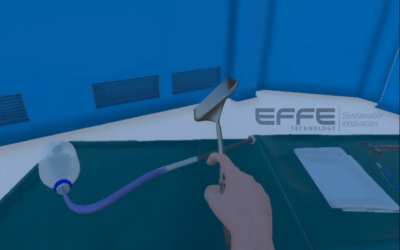
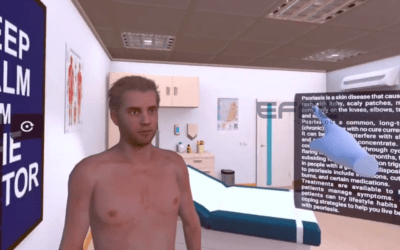
This case study highlights how VR surgical rehearsal transformed preoperative planning by allowing surgeons to visualize patient anatomy in 3D, simulate surgical steps, and collaborate virtually. The platform improved surgical accuracy, reduced operative risk, and strengthened team confidence while positioning the clinic as a pioneer in technology-driven surgical planning.
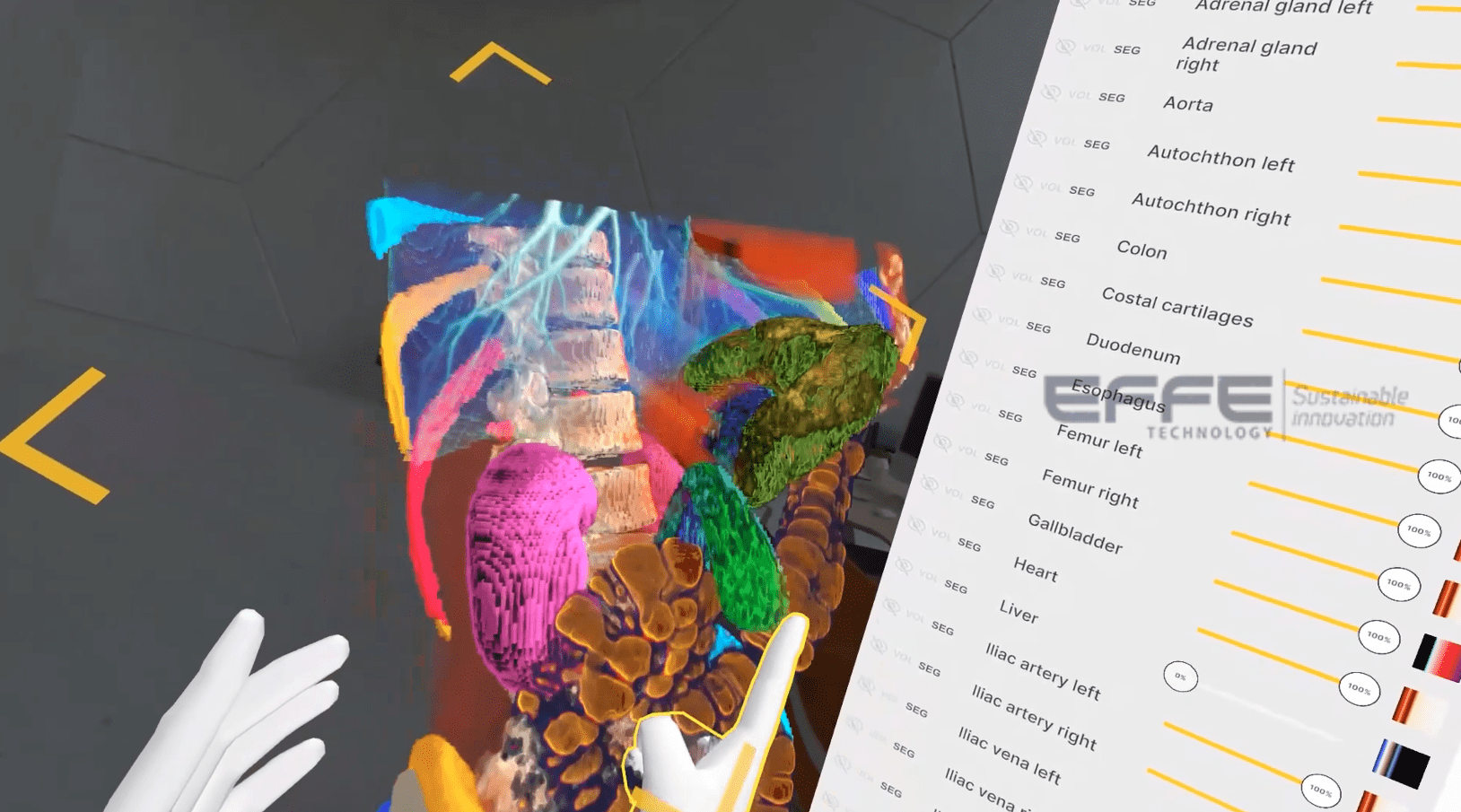
By leveraging VR surgical rehearsal, the client empowered surgeons to interact with patient-specific CT and MRI datasets, simulate osteotomies, plan bone movements, and refine surgical approaches before entering the operating room. This immersive preoperative experience elevated clinical decision-making, improved patient outcomes, and streamlined communication among surgical teams.
Project Requirement
The client aimed to implement a scalable VR surgical rehearsal platform capable of converting CT/MRI scans into immersive 3D models. Key objectives included:
- Enhanced visualization for complex maxillofacial and orthognathic cases
- Accurate simulation of surgical steps with interactive guidance
- Support for multidisciplinary team collaboration during pre-op planning
- Integration with existing surgical planning workflows
- Secure, healthcare-grade infrastructure for patient data compliance
By introducing this platform, the client wanted to move beyond conventional planning tools and provide surgeons with a repeatable, patient-specific rehearsal environment.
Project Planning
Planning focused on translating CT and MRI data into realistic 3D models that accurately reflected patient anatomy. Collaboration was key: maxillofacial surgeons, orthodontists, radiologists, and VR developers worked together to ensure the system was clinically precise and user-friendly.
Planning activities included:
- Mapping complex surgical workflows for orthognathic procedures
- Translating imaging data into interactive 3D surgical models
- Designing intuitive VR surgical rehearsal environments
- Aligning simulation steps with Virtual surgical planning in orthognathic surgery protocols
- Ensuring cross-device compatibility and multi-user support for collaborative rehearsal
This phase ensured that the platform was not only immersive but also clinically trustworthy and easy to integrate into routine preoperative planning.
Project Process & Execution
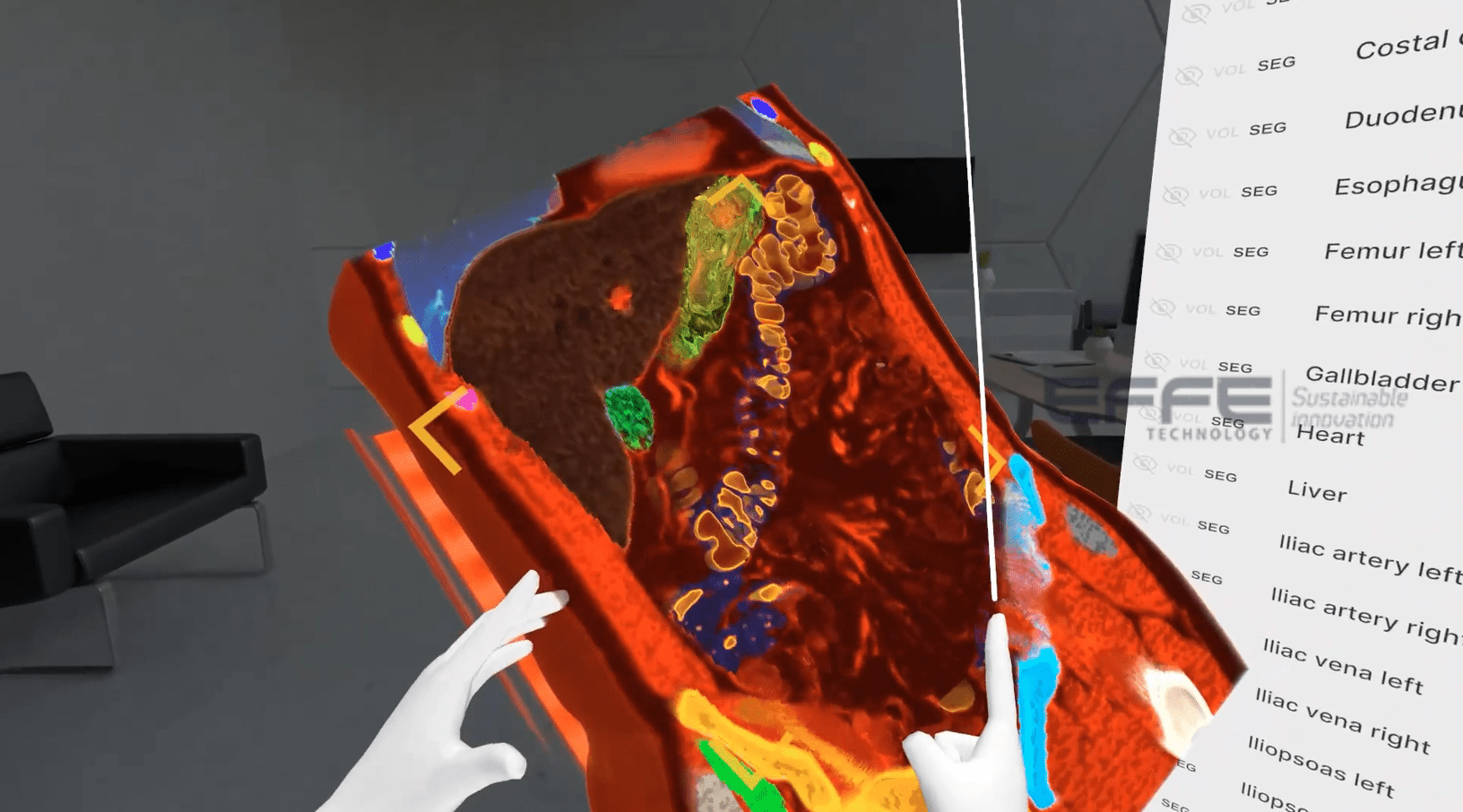
Execution involved creating high-fidelity 3D models, simulating surgical steps, and deploying VR surgical rehearsal across the surgical planning center. Surgeons could:
- Interact with patient-specific anatomy in 3D
- Plan and rehearse osteotomies and bone repositioning
- Test multiple surgical approaches safely
- Collaborate in real-time with colleagues using multi-user VR sessions
- Refine procedures using feedback integrated into the virtual model
The system unified preoperative visualization, planning, and rehearsal into one connected workflow. Surgeons were able to anticipate challenges, optimize techniques, and gain confidence in decision-making—ultimately improving intraoperative efficiency and patient safety.
Challenges & Learning
- Clinical Accuracy: Continuous validation with surgeons and radiologists ensured anatomical fidelity.
- User Adoption: Intuitive VR interfaces allowed rapid adoption by both experienced surgeons and trainees.
- Performance Optimization: High-resolution models required GPU-intensive rendering for smooth interaction.
- Scalability: Platform designed to support multiple operating rooms and planning sessions simultaneously.
These learnings enhanced surgeon trust, platform reliability, and clinical impact.
Client Deliverables
- Enterprise VR surgical rehearsal platform
- Interactive 3D surgical models from CT/MRI data
- Multi-user collaboration features for surgical teams
- Virtual surgical planning in orthognathic surgery modules
- Vsp for orthognathic surgery support and workflow integration
- Secure, scalable healthcare-grade infrastructure
Conclusion
This project demonstrates how VR surgical rehearsal is revolutionizing preoperative planning. By combining immersive 3D models, Virtual surgical planning in orthognathic surgery, and Vsp for orthognathic surgery, surgeons gain unprecedented visualization, rehearsal, and collaboration capabilities. Patients benefit from reduced operative risk and improved outcomes, while healthcare institutions adopt a future-ready, technology-driven approach to surgical excellence. With VR-based rehearsal, complex surgeries evolve from uncertainty into precise, well-prepared, and patient-centric procedures.