
Overview
Craniotomy procedures are among the most delicate and complex neurosurgical interventions. Traditional training methods—cadaver labs, observation-based learning, and 2D imaging—often fall short in providing repeated, risk-free practice for residents, fellows, and practicing neurosurgeons. To bridge this gap, we developed an advanced VR craniotomy simulation platform designed for hospitals, neurosurgery departments, research centers, and medical universities.
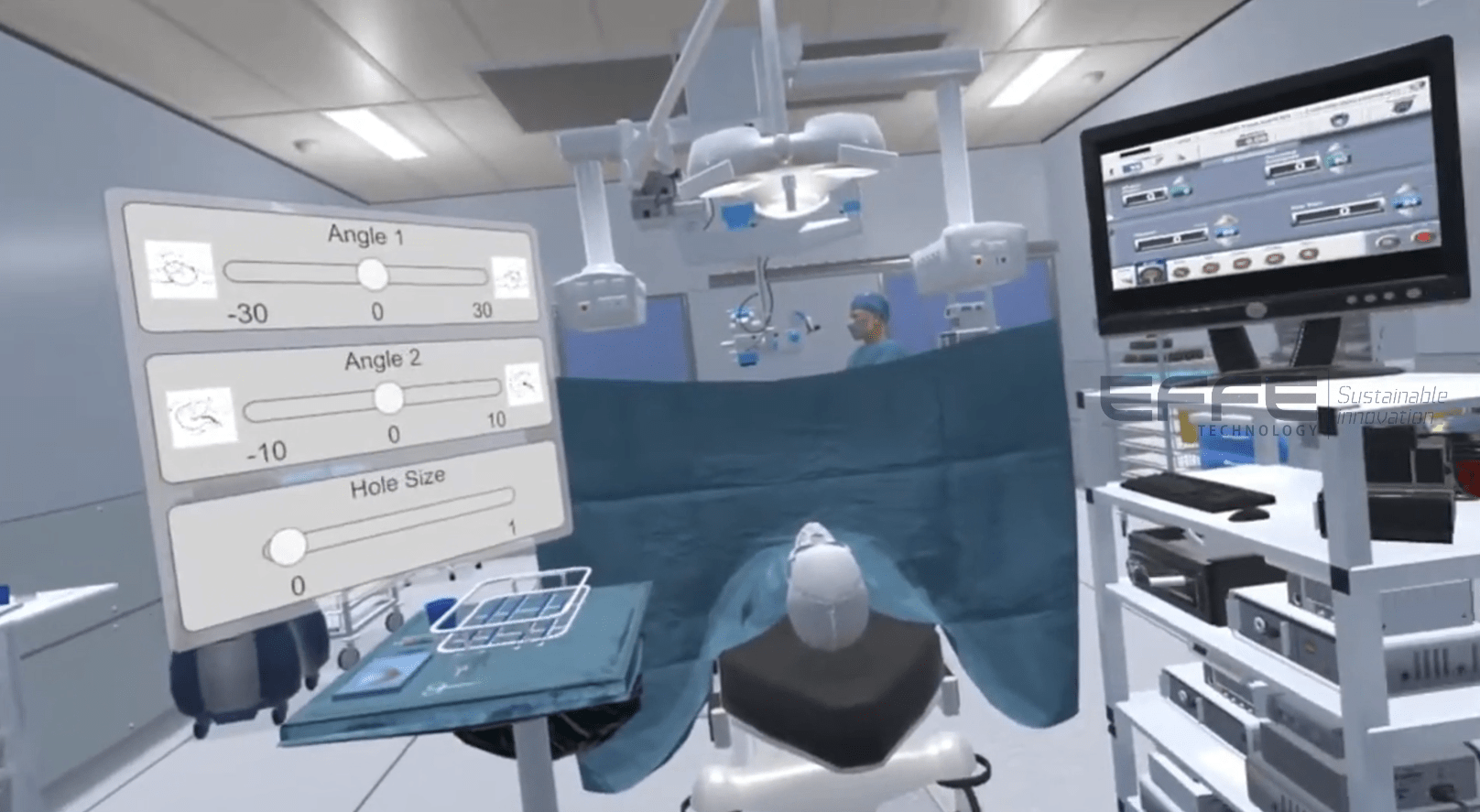
This craniotomy VR training system provides a fully immersive environment where surgeons and trainees can explore cranial anatomy, practice bone flap creation, and simulate surgical approaches without risk to patients. Built on high-fidelity 3D models, our virtual reality craniotomy procedure integrates real-time interaction, haptic feedback, and performance analytics, making it ideal for both educational and clinical assessment purposes.
As a forward-looking neurosurgery VR simulation solution, this platform empowers medical professionals to refine surgical skills, plan complex interventions, and enhance procedural confidence.
Project Requirement
The client required a VR craniotomy simulation that could:
- Provide realistic craniotomy VR training modules for residents, fellows, and practicing neurosurgeons.
- Simulate various cranial approaches, tumor resections, and emergency procedures.
- Integrate step-by-step guidance for virtual reality craniotomy procedures with haptic and visual feedback.
- Track performance metrics and assess decision-making accuracy for competency evaluation.
- Support scalable deployment across hospitals, teaching hospitals, and research centers.
The goal was to create a trusted neurosurgery VR simulation platform that enhanced learning outcomes, surgical preparedness, and clinical confidence.
Project Planning
Our planning phase involved close collaboration with neurosurgeons, neurophysiologists, and surgical educators. Real patient imaging data, including CT and MRI scans, were used to develop realistic cranial models.
Key initiatives included:
- Structuring progressive craniotomy VR training modules for beginner to advanced learners.
- Designing virtual reality craniotomy procedures for both tumor and trauma cases.
- Integrating performance tracking and analytics to assess procedural accuracy.
- Ensuring seamless usability for medical students, residents, and practicing surgeons.
All modules underwent multiple rounds of expert validation to ensure anatomical accuracy, clinical relevance, and educational effectiveness.
Project Process & Execution
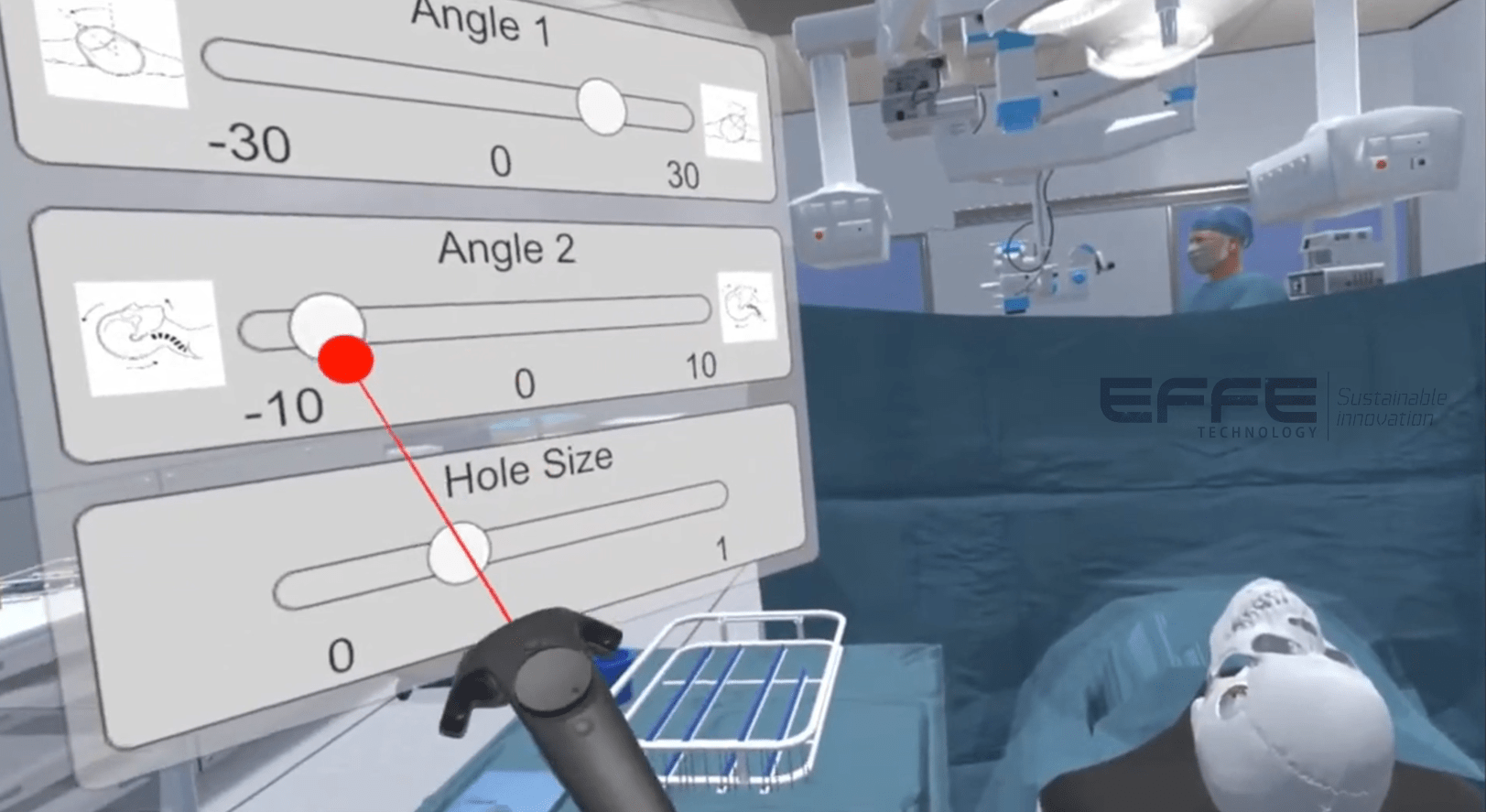
Using advanced 3D modeling, haptic-feedback integration, and immersive VR frameworks, we created a comprehensive VR craniotomy simulation platform that enables users to:
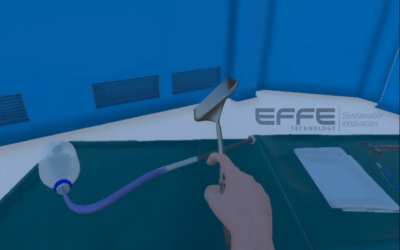
- Explore cranial anatomy and simulate burr hole placement.
- Practice bone flap creation, dural opening, and intracranial navigation.
- Rehearse complex surgical approaches for tumor removal or trauma intervention.
- Receive real-time guidance and feedback during each craniotomy VR training session.
- Track performance metrics, including precision, timing, and error minimization.
The platform is designed for clinical and educational use, enabling repetitive practice in a risk-free virtual setting. This neurosurgery VR simulation approach helps improve both technical proficiency and procedural confidence.
Challenges & Learning
One of the key challenges was replicating the tactile feedback of cranial bone and soft tissue within the VR craniotomy simulation environment. Iterative development and close collaboration with neurosurgeons ensured realistic haptic and visual responses.
Another challenge was balancing educational depth with usability. Each virtual reality craniotomy procedure had to be scientifically accurate while remaining intuitive for learners at different experience levels.
Through these efforts, we created a scalable, clinically validated craniotomy VR training solution suitable for research, academic, and hospital settings.
Client Deliverables
- Fully immersive VR craniotomy simulation platform
- High-fidelity 3D cranial anatomy and surgical models
- Structured craniotomy VR training modules
- Performance tracking dashboards and competency assessment tools
- Multi-device compatibility for hospitals and universities
- Ongoing technical and clinical support
Conclusion
This next-generation VR craniotomy simulation redefines neurosurgical training and assessment. By combining immersive learning, procedural accuracy, and performance analytics, it enhances surgical preparedness, patient safety, and educational outcomes. Hospitals, neurosurgery departments, and academic centers investing in this neurosurgery VR simulation solution can ensure a future-ready, competency-driven surgical training ecosystem.