
Overview
In the highly competitive automotive market, launching a new vehicle requires more than traditional ads and showroom displays. This case study highlights how a leading VR advertising agency partnered with an automotive brand to transform an SUV launch into an immersive, high-impact brand experience. By leveraging advanced VR technology, the campaign moved beyond static promotions and delivered an engaging, interactive journey that captured attention and strengthened brand perception.
Designed for automotive marketing teams, CMOs, digital transformation heads, and product managers, the solution demonstrates how immersive experiences can elevate vehicle launches and create deeper emotional connections with customers. The project focused on blending innovation with storytelling to support modern experiential marketing strategies in the automotive sector.
Project Requirement
The client wanted to create a standout SUV launch campaign that could showcase design, features, and performance in a way traditional media could not. As a trusted VR advertising agency, the objective was to replace conventional brochures and videos with an immersive experience that allowed users to explore the vehicle in detail.
Key requirements included:
- Creating an immersive SUV experience accessible at events and showrooms
- Supporting VR product demo marketing to highlight interiors, exteriors, and key features
- Enhancing brand recall through interactive storytelling
- Ensuring the solution aligned with automotive experiential marketing goals
- Developing scalable VR assets for future campaigns
The solution needed to be visually rich, intuitive, and performance-optimized.
Project Planning
During the planning phase, the VR advertising agency worked closely with the client’s marketing and product teams to understand brand positioning and launch objectives. User journeys were mapped to reflect how customers naturally explore a vehicle—from first impression to detailed inspection.
Planning focused on:
- Defining immersive storytelling for automotive experiential marketing
- Identifying key moments where VR product demo marketing would deliver maximum impact
- Designing intuitive navigation for first-time VR users
- Aligning the VR experience with offline events and digital promotions
This ensured the VR campaign felt strategic and purposeful rather than experimental.
Project Process & Execution
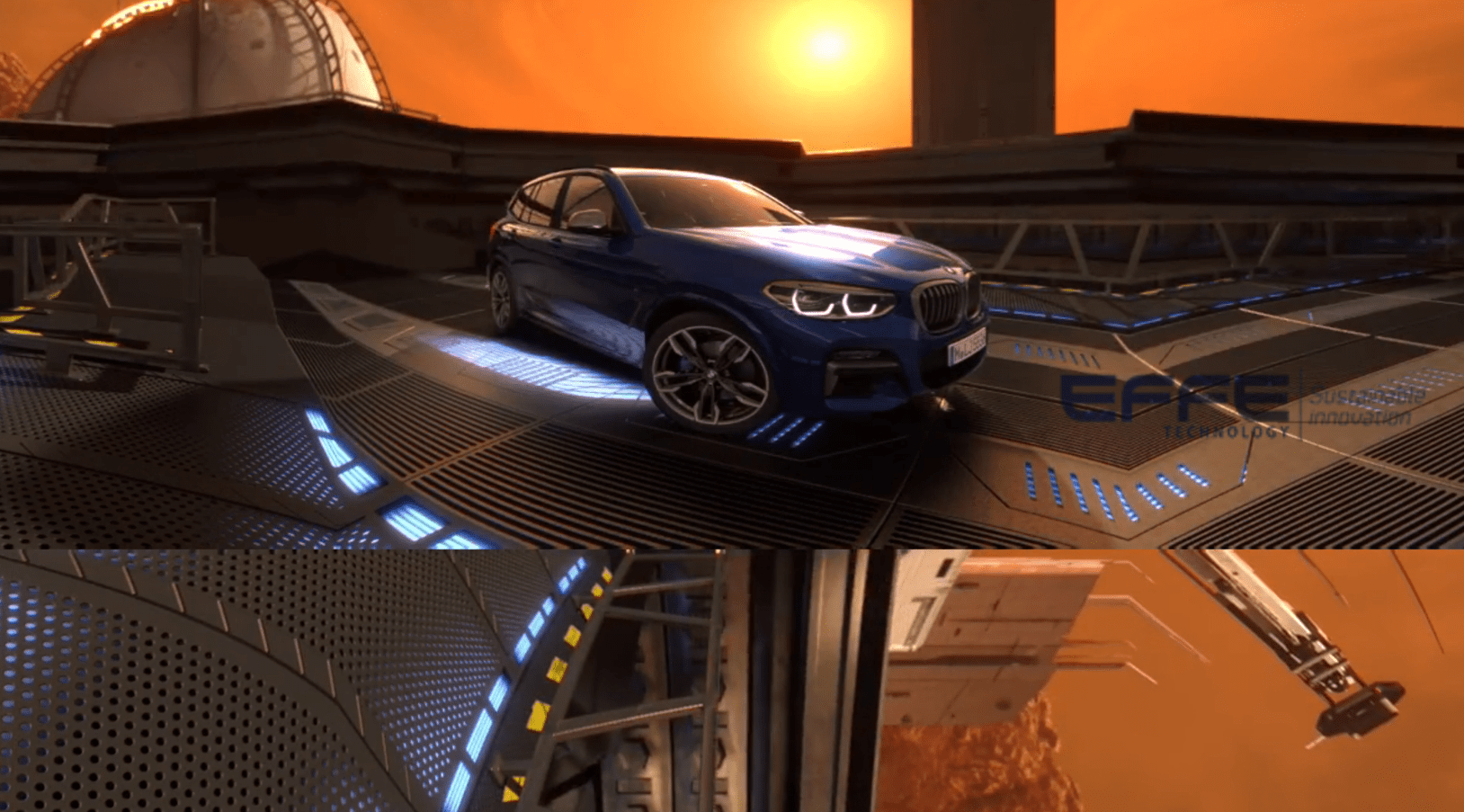
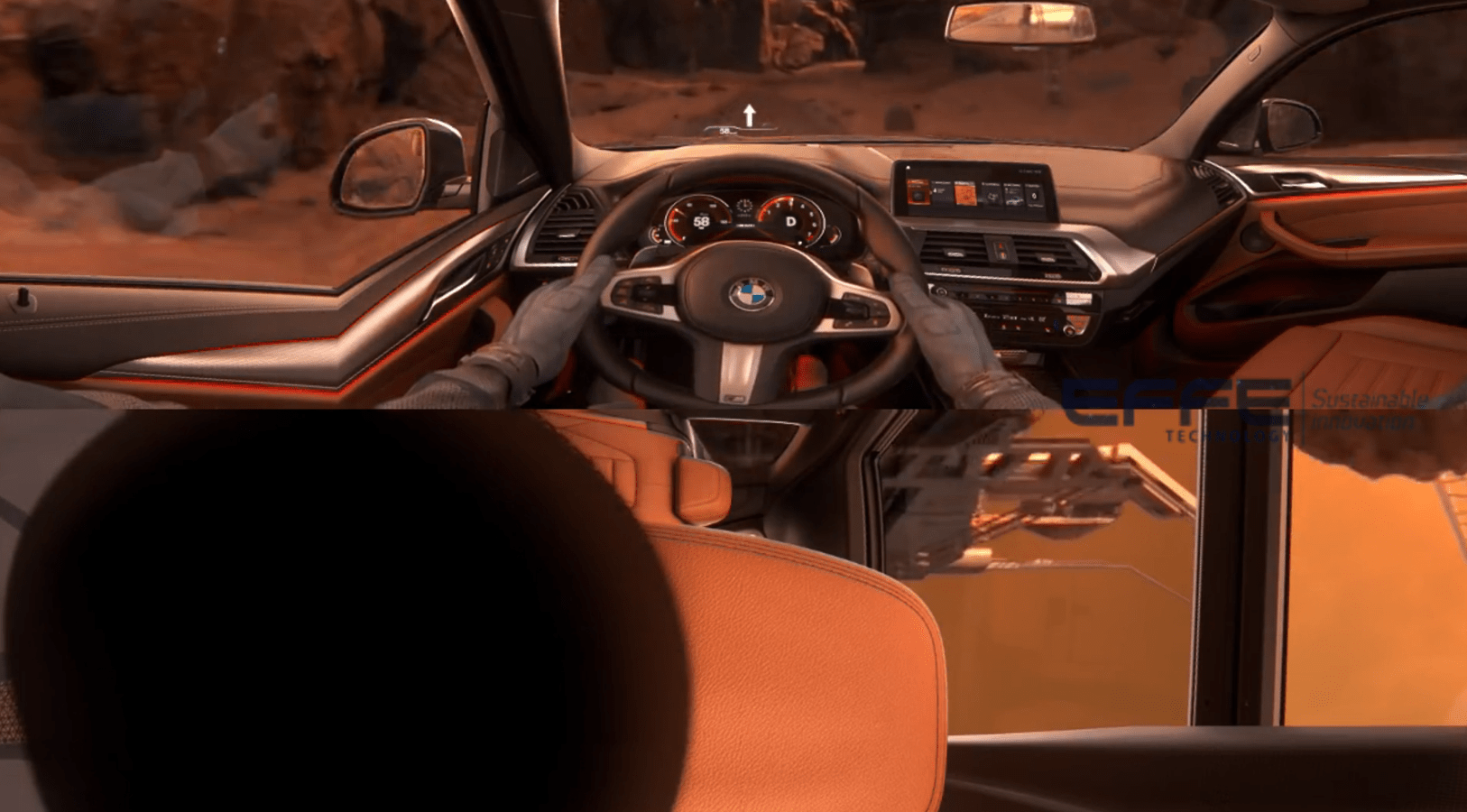
Execution began with creating a high-fidelity 3D SUV model that accurately represented design details, materials, and proportions. The VR advertising agency developed an immersive environment where users could explore the vehicle from multiple perspectives.
Key execution elements included:
- Interactive exterior and interior walkthroughs
- Feature highlights integrated into the VR experience
- Smooth performance across event setups and demo stations
- Visual storytelling aligned with experiential marketing principles
Through VR product demo marketing, users could experience the SUV’s design and features in a realistic, memorable way. The immersive approach allowed the brand to communicate value more effectively than traditional launch materials.
Challenges & Learning
One challenge was balancing visual realism with smooth performance in VR environments. Another was designing an experience that appealed to both technical and non-technical audiences. The project reinforced that experiential marketing works best when simplicity and clarity are prioritized.
Key learnings included:
- Interactive control increases engagement in VR campaigns
- VR product demo marketing is most effective when storytelling supports functionality
- A focused VR experience delivers stronger results than feature overload
These insights strengthened the overall delivery approach of the VR advertising agency.
Client Deliverables
- Immersive VR SUV launch experience
- High-resolution, interactive 3D vehicle visualization
- VR assets supporting automotive experiential marketing campaigns
- Reusable VR content for future product promotions
- Event-ready VR demo setup for brand activations
Conclusion
This case study demonstrates how a strategic VR advertising agency can redefine automotive launches through immersive technology. By combining experiential marketing with VR product demo marketing, the campaign delivered a memorable SUV launch that enhanced engagement, improved brand perception, and supported modern automotive marketing goals.
For automotive brands seeking innovative launch strategies, this project shows how immersive VR experiences can build trust, create excitement, and deliver lasting impact beyond traditional advertising.