
Overview
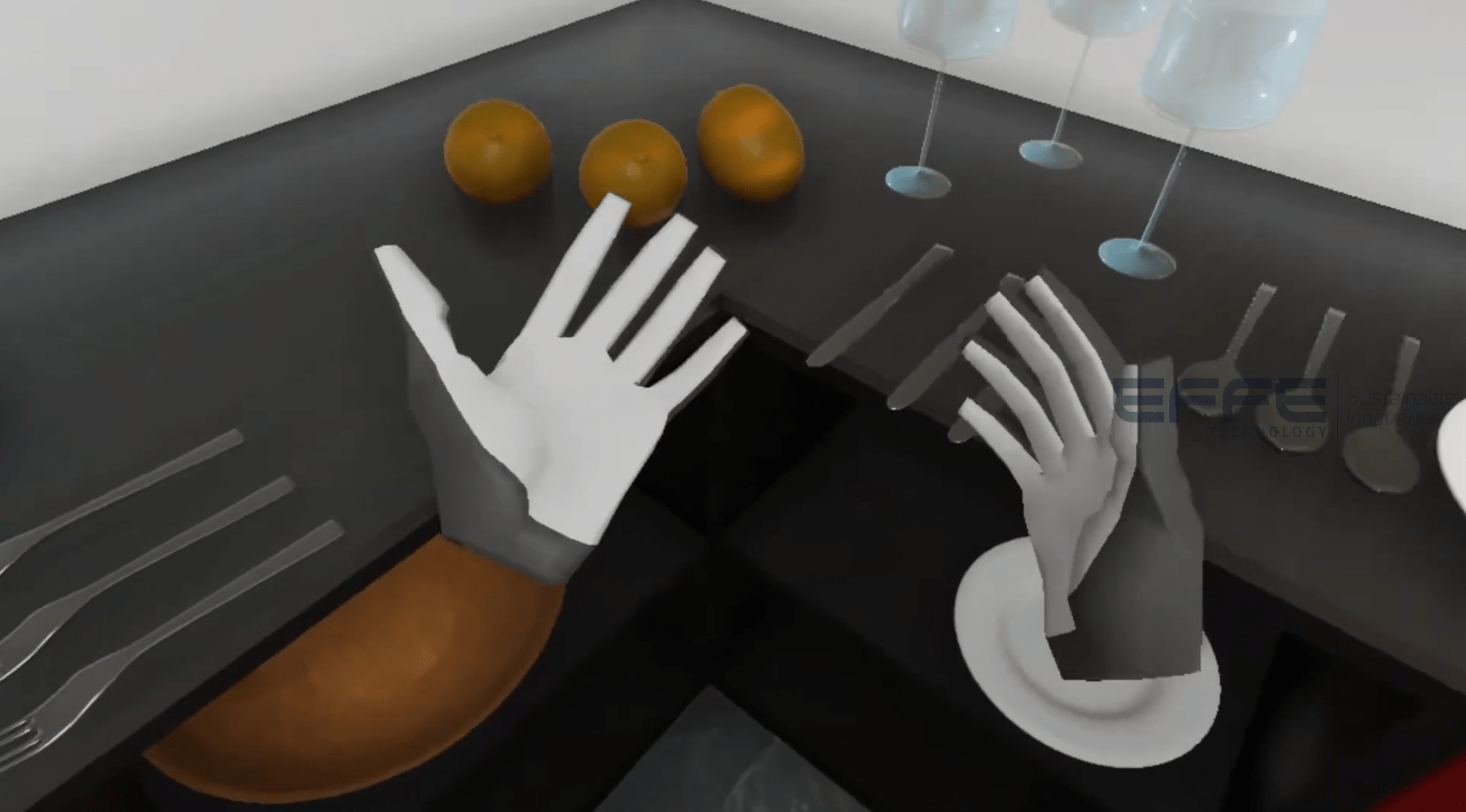
Stroke rehabilitation is a critical stage in restoring motor function and independence, but conventional therapy often faces limitations in intensity, engagement, and real-time feedback. To address these challenges, we developed an advanced virtual reality in stroke rehabilitation platform tailored for neurology and rehabilitation departments, stroke rehabilitation centers, teaching hospitals, and medical simulation providers.
This immersive solution allows neurologists, rehabilitation physicians, therapists, and medical students to practice and monitor upper limb and functional recovery in a controlled, engaging VR environment. By integrating evidence-based rehabilitation protocols with interactive simulations, the platform enhances patient outcomes, accelerates recovery, and strengthens skill acquisition for healthcare professionals.
Project Requirement
The client required a scalable virtual reality in stroke rehabilitation system capable of:
- Delivering structured upper limb rehabilitation programs through virtual reality upper limb rehabilitation modules.
- Integrating VR-based scenarios for repetitive task practice and neuroplasticity stimulation.
- Offering real-time performance feedback to track progress and optimize therapy plans.
- Supporting multi-user deployment across hospitals, clinics, and academic institutions.
- Enabling trainees and professionals to gain hands-on experience via VR simulation medical protocols.
The goal was to create a trusted, clinically validated VR ecosystem that improves functional recovery and professional training outcomes.
Project Planning
Collaboration with neurologists, physiotherapists, occupational therapists, and VR specialists guided our planning. Key initiatives included:
- Mapping stroke rehabilitation exercises to VR interactions for upper limb and motor function recovery.
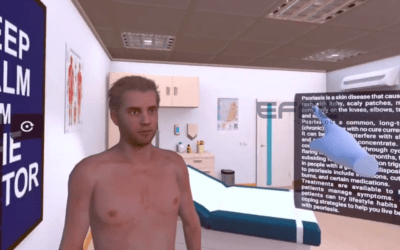
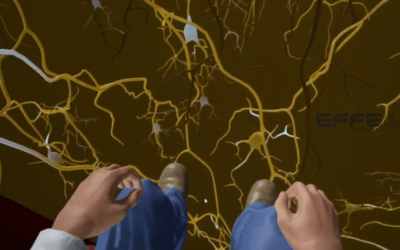
- Developing immersive 3D neurological environments to visualize movement, muscle activation, and recovery progress.
- Designing structured modules for clinicians, residents, and patients to practice rehabilitation scenarios safely.
- Embedding analytics dashboards to measure performance metrics, response times, and engagement levels.
- Ensuring compatibility across VR headsets and rehabilitation labs for seamless deployment.
All modules underwent rigorous clinical validation to ensure real-world efficacy and usability.
Project Process & Execution
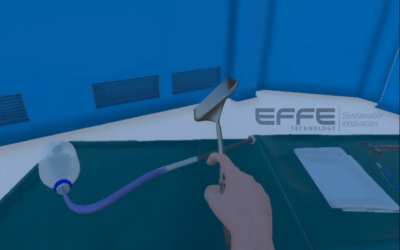
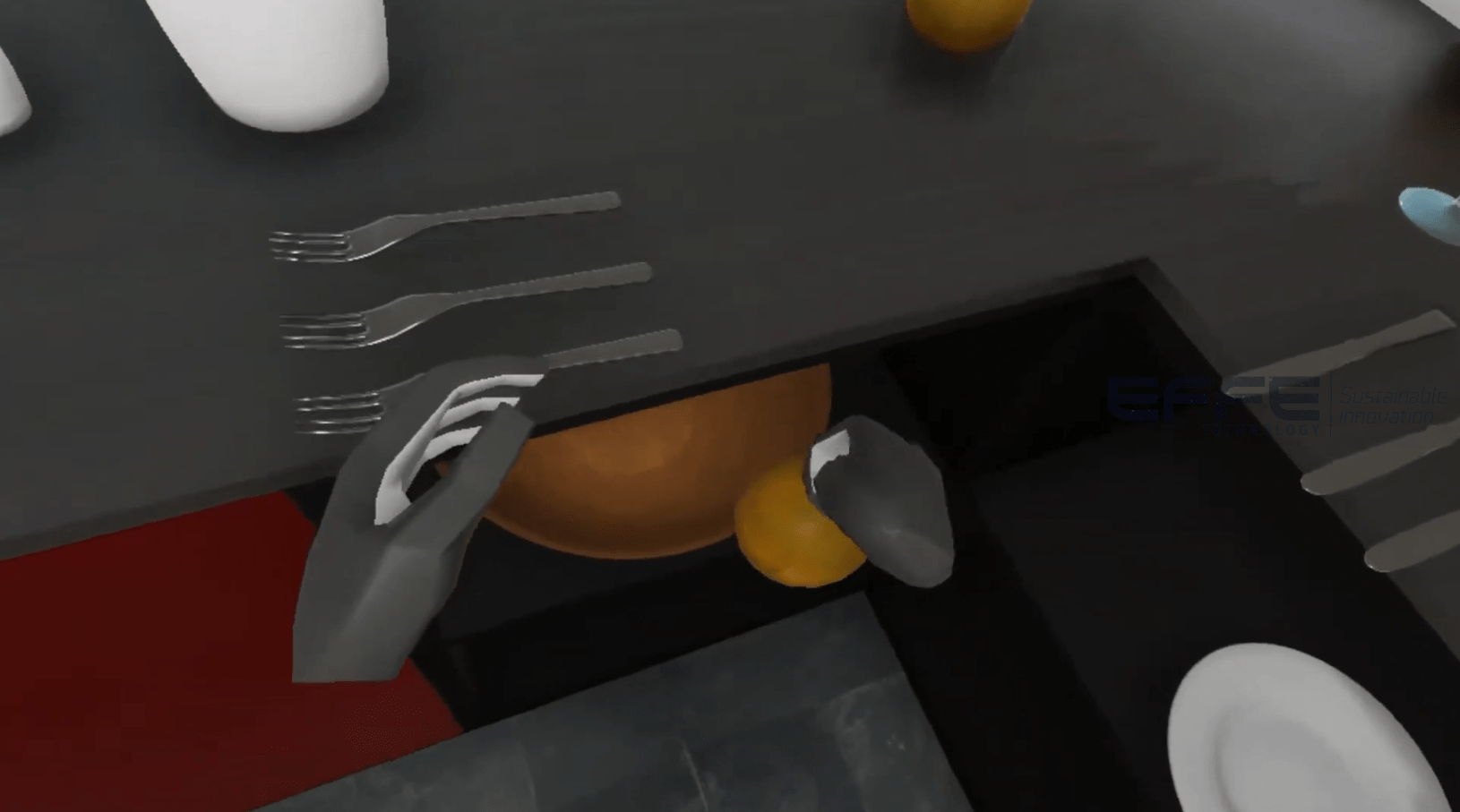
Using high-fidelity 3D modeling, physics-based simulation, and immersive VR frameworks, we delivered a comprehensive virtual reality in stroke rehabilitation platform that enables users to:
- Engage in virtual reality upper limb rehabilitation exercises simulating real-world tasks.
- Track functional improvement in stroke patients using integrated performance analytics.
- Repeat scenarios for skill reinforcement and rehabilitation consistency.
- Facilitate instructor-led and self-guided VR and neuroscience training for medical staff.
The platform also allows therapists to customize difficulty levels and provide real-time corrective feedback. By combining immersive practice with data-driven insights, the system bridges the gap between clinical theory and hands-on rehabilitation training.
Challenges & Learning
Replicating natural upper limb motion and resistance feedback in VR was a key challenge. Iterative development with physiotherapists helped fine-tune responsiveness and accuracy. Balancing clinical depth with user-friendly interfaces was another focus, ensuring that both experienced therapists and students could benefit from the VR simulation medical environment.
This project confirmed that virtual reality in stroke rehabilitation not only accelerates patient recovery but also enhances clinician competency, engagement, and confidence.
Client Deliverables
- Fully immersive virtual reality in stroke rehabilitation platform
- Structured virtual reality upper limb rehabilitation modules
- Real-time performance tracking and analytics dashboards
- Instructor-led and self-guided VR training for medical staff
- Multi-device deployment across hospitals, clinics, and teaching institutions
- Ongoing clinical and technical support
Conclusion
Our virtual reality in stroke rehabilitation solution transforms neurorehabilitation by combining immersive therapy, measurable outcomes, and scalable training. For hospitals, rehabilitation centers, and teaching institutions, this VR platform establishes a future-ready ecosystem that empowers therapists, enhances patient recovery, and drives innovation in neurological rehabilitation.