
Overview
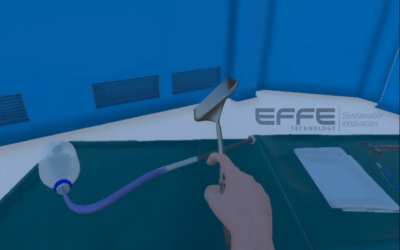
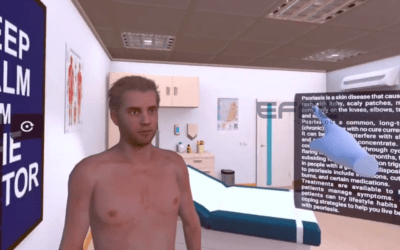
Urologic surgeries, particularly minimally invasive procedures, demand precision, dexterity, and advanced hand–eye coordination. Traditional surgical training—observation-based learning, cadaver labs, and limited OT exposure—often restricts residents, fellows, and practicing urologists from gaining consistent, risk-free practice. To address this, we developed an interactive urologic surgery VR simulation platform designed for hospitals, urology departments, minimally invasive and robotic surgery centers, and medical universities.
This immersive platform enables urologists, surgical residents, and trainees to rehearse procedures virtually, refine technical skills, and improve decision-making without risk to patients. Combining high-fidelity 3D anatomy with real-time haptic feedback, the VR urologic surgery training solution enhances surgical confidence, supports competency assessment, and aligns with modern standards in virtual reality healthcare simulation.
Project Requirement
The client required a urologic surgery VR simulation that could:
- Offer structured VR training modules for residents, fellows, and practicing urologists.
- Simulate key minimally invasive procedures, including endoscopic and laparoscopic interventions.
- Provide performance tracking for skill evaluation and accreditation.
- Deliver real-time feedback to improve surgical precision, instrument handling, and procedural efficiency.
- Support scalable deployment across hospitals, teaching hospitals, and advanced simulation centers.
The objective was to create a trusted VR training ecosystem that strengthened procedural preparedness, technical proficiency, and patient safety.
Project Planning
We collaborated with urologists, minimally invasive surgery specialists, and surgical educators to design a realistic training framework. Key planning steps included:
- Structuring progressive VR urologic surgery training modules from beginner to advanced.
- Developing anatomically accurate 3D urinary tract and pelvic models.
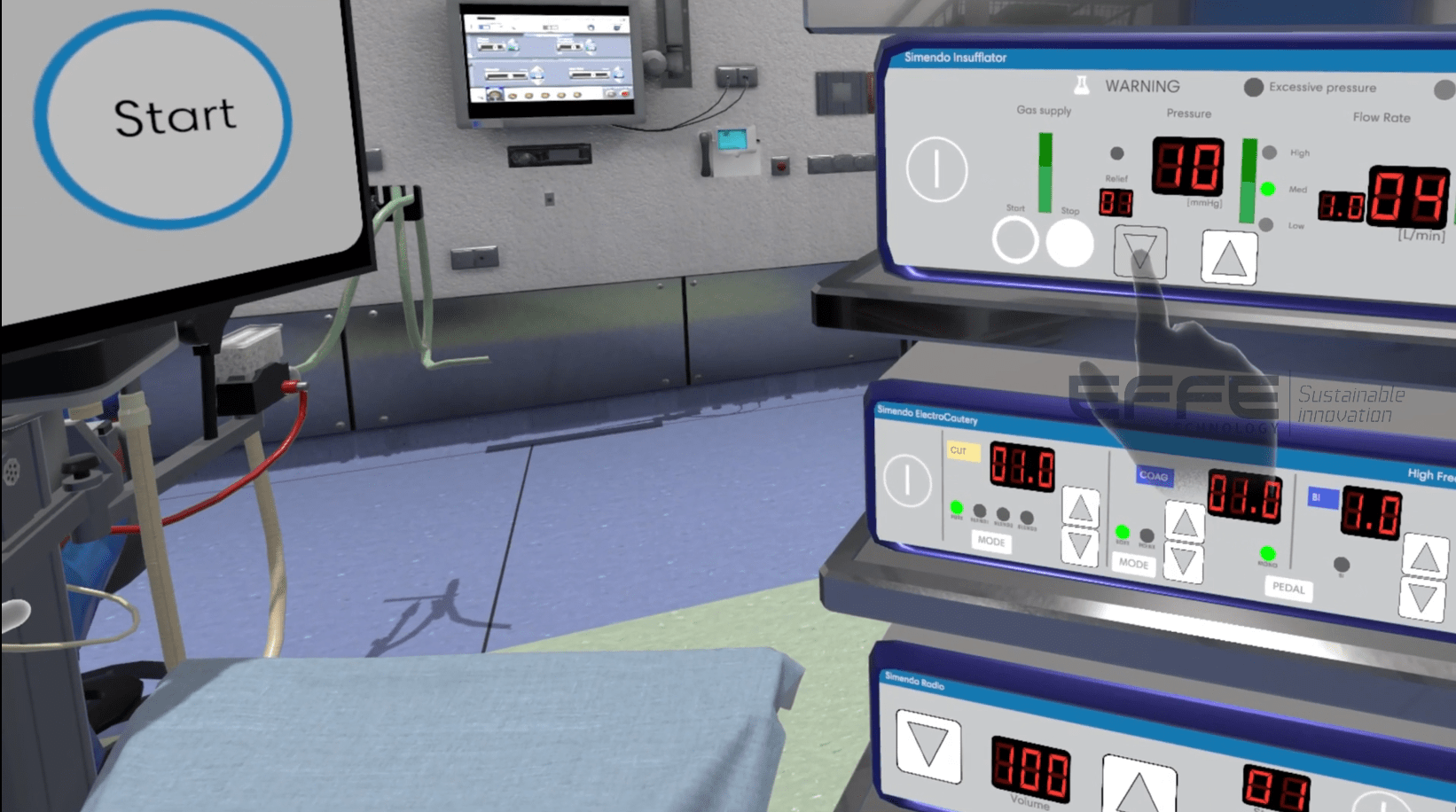
- Incorporating haptic feedback and immersive simulation to mimic real OT environments.
- Integrating performance metrics for accuracy, time management, and error minimization.
- Ensuring multi-device VR deployment for hospitals, teaching centers, and skills labs.
All modules underwent clinical validation to ensure procedural authenticity and educational effectiveness.
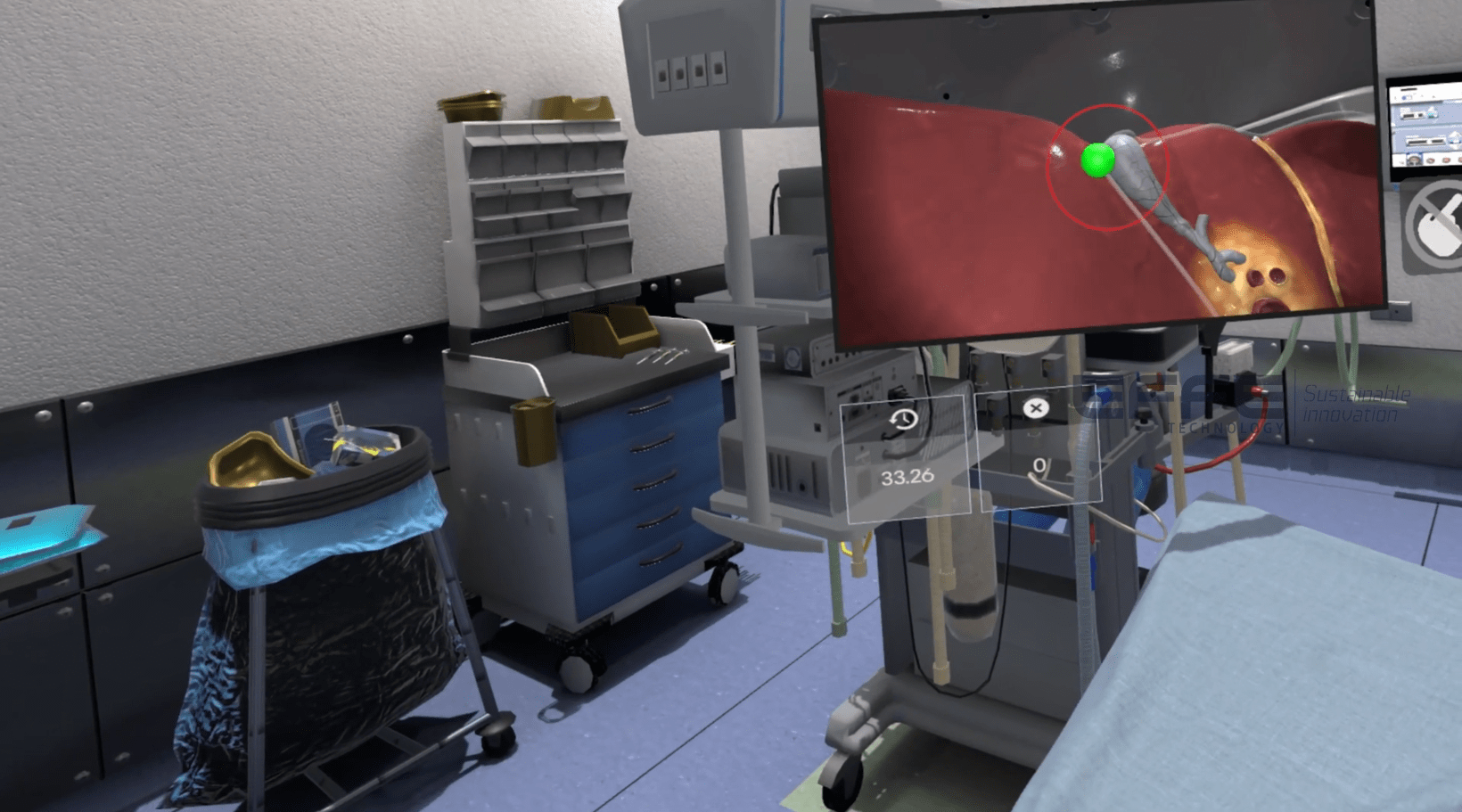
Project Process & Execution
Using advanced 3D modeling, physics engines, and immersive VR frameworks, we developed the urologic surgery VR simulation platform that allows users to:
- Navigate the urinary tract and practice endoscopic and laparoscopic procedures.
- Simulate minimally invasive interventions, including stone removal, stent placement, and tumor resection.
- Receive instant, performance-based feedback on precision, instrument handling, and procedural decisions.
- Repeat scenarios multiple times safely to enhance learning retention.
The system’s integrated dashboards track skill progression, error reduction, and procedural efficiency, making the minimally invasive urologic surgery VR training measurable and effective for residency programs, accreditation bodies, and hospital training managers.
Challenges & Learning
A primary challenge was replicating realistic tissue behavior and instrument feedback within the VR based medical training environment. Iterative refinement with expert urologists ensured that the simulation mirrored real-world surgical responses.
Another challenge was balancing procedural complexity with intuitive usability, allowing both residents and experienced surgeons to benefit from the virtual reality healthcare simulation. This project reinforced our expertise in delivering scalable, clinically validated VR solutions for surgical skill development.
Client Deliverables
- Fully interactive urologic surgery VR simulation platform
- High-fidelity 3D urological anatomy and procedural models
- Structured VR training curriculum with scenario-based exercises
- Performance dashboards for skill tracking and competency assessment
- Multi-device deployment across hospitals, teaching hospitals, and simulation centers
- Ongoing technical and clinical support
Conclusion
The interactive urologic surgery VR simulation redefines minimally invasive urology training by combining immersive practice, performance analytics, and repeatable risk-free procedures. Hospitals, surgical centers, and educational institutions investing in this platform can ensure safer procedures, accelerated learning curves, and a competency-driven approach to urology education, establishing a future-ready surgical training ecosystem.