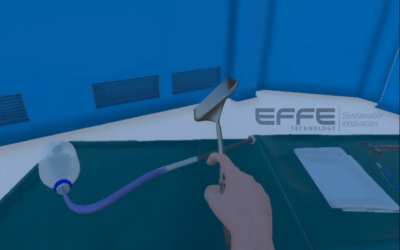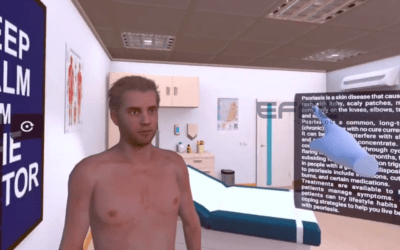

Overview
Understanding renal anatomy and physiology is critical for nephrology, urology, pharmacology, and clinical education. However, textbooks, cadaver labs, and 2D diagrams often limit real-time visualization of filtration, absorption, and disease progression.
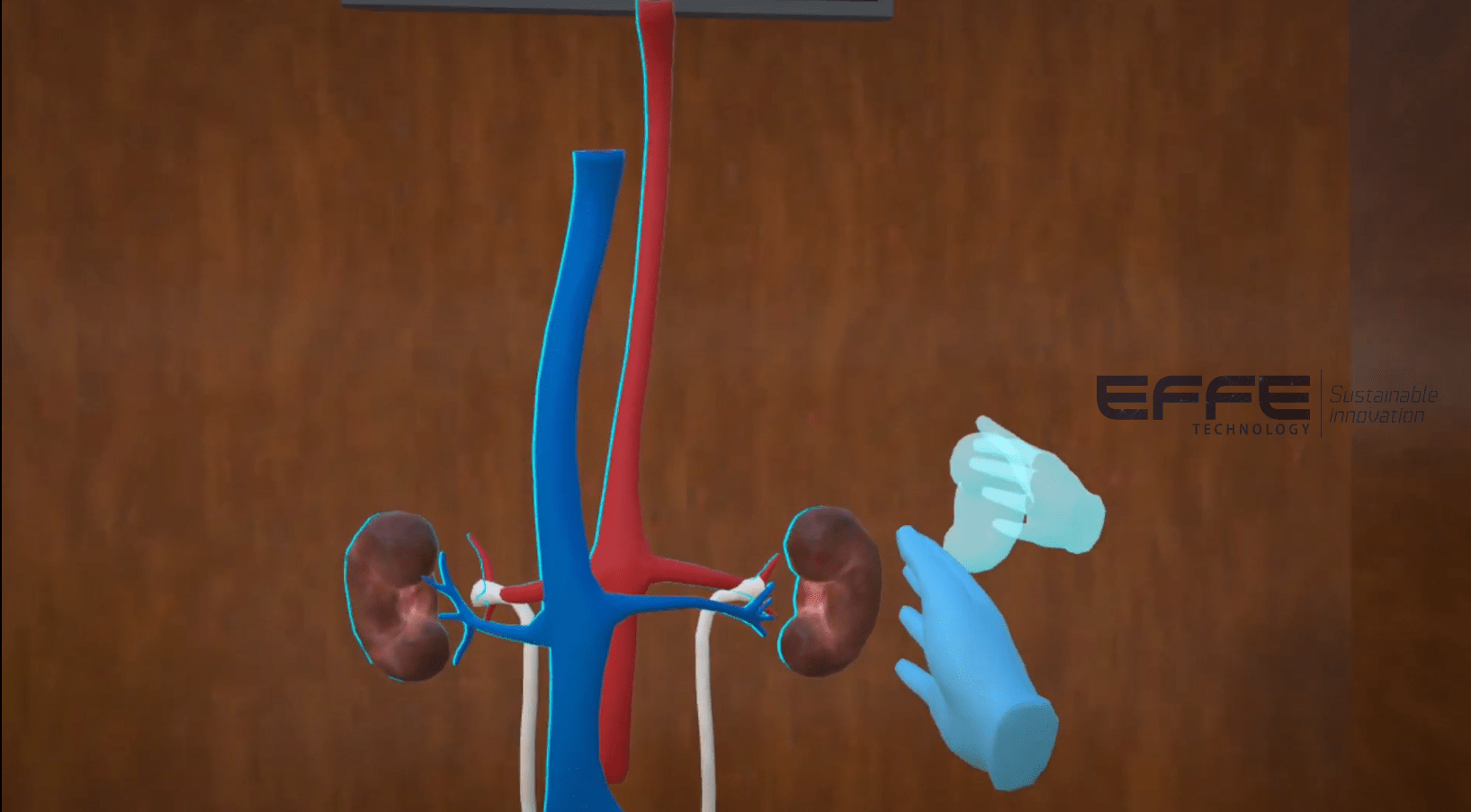
We developed an advanced urinary system VR model designed for hospitals, medical universities, simulation centers, and pharmaceutical research organizations. This immersive platform enables specialists and students to explore kidney structure, nephron function, urinary flow, and pathological conditions in a highly interactive environment.
The goal was to create a clinically accurate, research-aligned, and scalable urinary system VR model that enhances medical training, supports drug education, and strengthens clinical understanding.
Project Requirement
The client required a high-fidelity urinary system VR model that could:
- Demonstrate renal anatomy from macro to micro levels
- Visualize nephron filtration and reabsorption dynamically
- Simulate disease conditions such as CKD, kidney stones, and obstruction
- Support urinary system VR training for students and clinicians
- Enable pharmaceutical teams to explain drug mechanisms using urinary system mechanism VR
Accuracy, scientific validation, and ease of use were critical to ensure trust among nephrologists, urologists, and academic professionals.
Project Planning
We collaborated with nephrologists, anatomy professors, and pharmacology experts to define:
- Anatomical modeling standards
- Pathophysiology simulation requirements
- Learning objectives for urinary system VR training
- Drug interaction visualization modules for urinary system mechanism VR
A structured roadmap was created covering research validation, 3D modeling, VR interaction design, and clinical review checkpoints.
Project Process & Execution
- Anatomical 3D Development
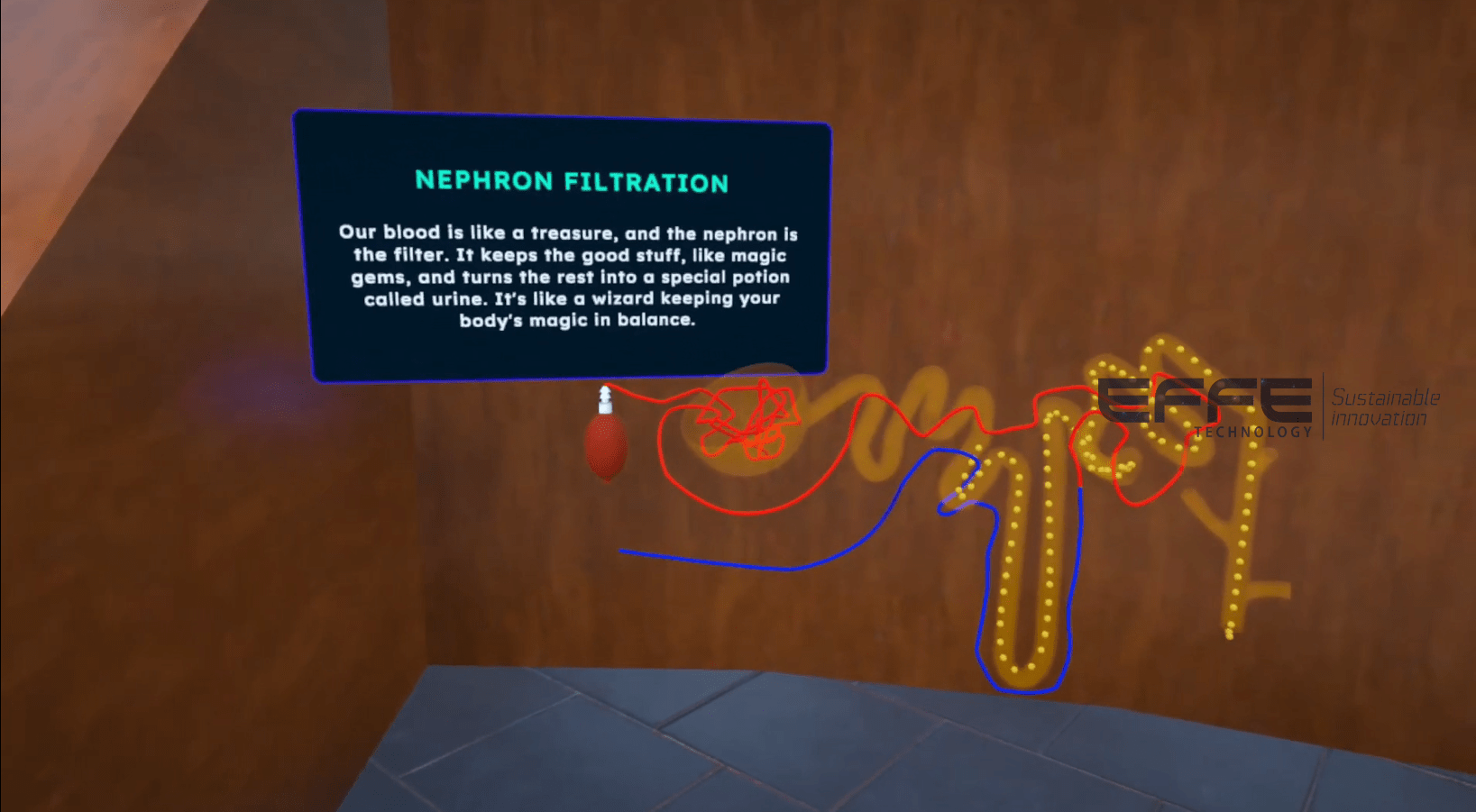
We built a hyper-realistic urinary system VR model including kidneys, ureters, bladder, urethra, renal cortex, medulla, and detailed nephron structures. - Functional Simulation Layer
Using dynamic animation logic, we developed urinary system mechanism VR modules showing:
- Glomerular filtration
- Tubular reabsorption
- Electrolyte balance
- Hormonal regulation (RAAS pathway)
- Pathology & Clinical Scenarios
The urinary system VR training included modules for chronic kidney disease progression, urinary tract obstruction, renal calculi formation, and dialysis flow explanation. - Pharmaceutical Integration
Drug mechanism overlays allowed pharma and research teams to demonstrate nephrotoxic effects and renal drug clearance within the urinary system VR model, making it highly valuable for medical affairs and regulatory education. - Interactive Learning Tools
Users could zoom, isolate structures, activate mechanism simulations, and toggle pathology comparisons—transforming passive learning into experiential education.
Challenges & Learning
One of the primary challenges was simulating real-time micro-level nephron functions within VR while maintaining performance efficiency. Achieving physiological accuracy in urinary system mechanism VR required multiple clinical validation rounds.
Another key learning was that users preferred layered learning—starting with anatomy, then function, followed by pathology—within the urinary system VR training environment. Structuring the modules accordingly significantly improved engagement and knowledge retention.
Client Deliverables
- Fully interactive urinary system VR model
- Disease simulation modules for medical institutions
- Pharmaceutical mechanism visualization tools
- VR-ready deployment for simulation labs
- Scalable architecture for CME and advanced urinary system VR training programs
- Technical documentation and clinical validation reports
Conclusion
The urinary system VR model transforms how renal anatomy, physiology, and pathology are taught and communicated. By combining immersive urinary system VR training with scientifically validated urinary system mechanism VR visualization, institutions gain a scalable and future-ready educational ecosystem.
For hospitals, universities, pharma companies, and research organizations, adopting a trusted urinary system VR model means investing in precision education, improved clinical competence, and long-term institutional credibility.