
Overview
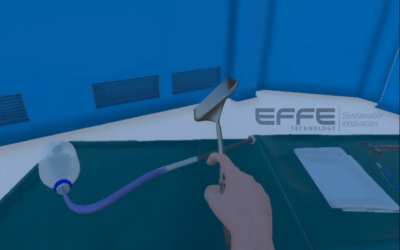
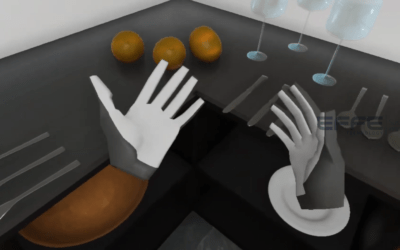
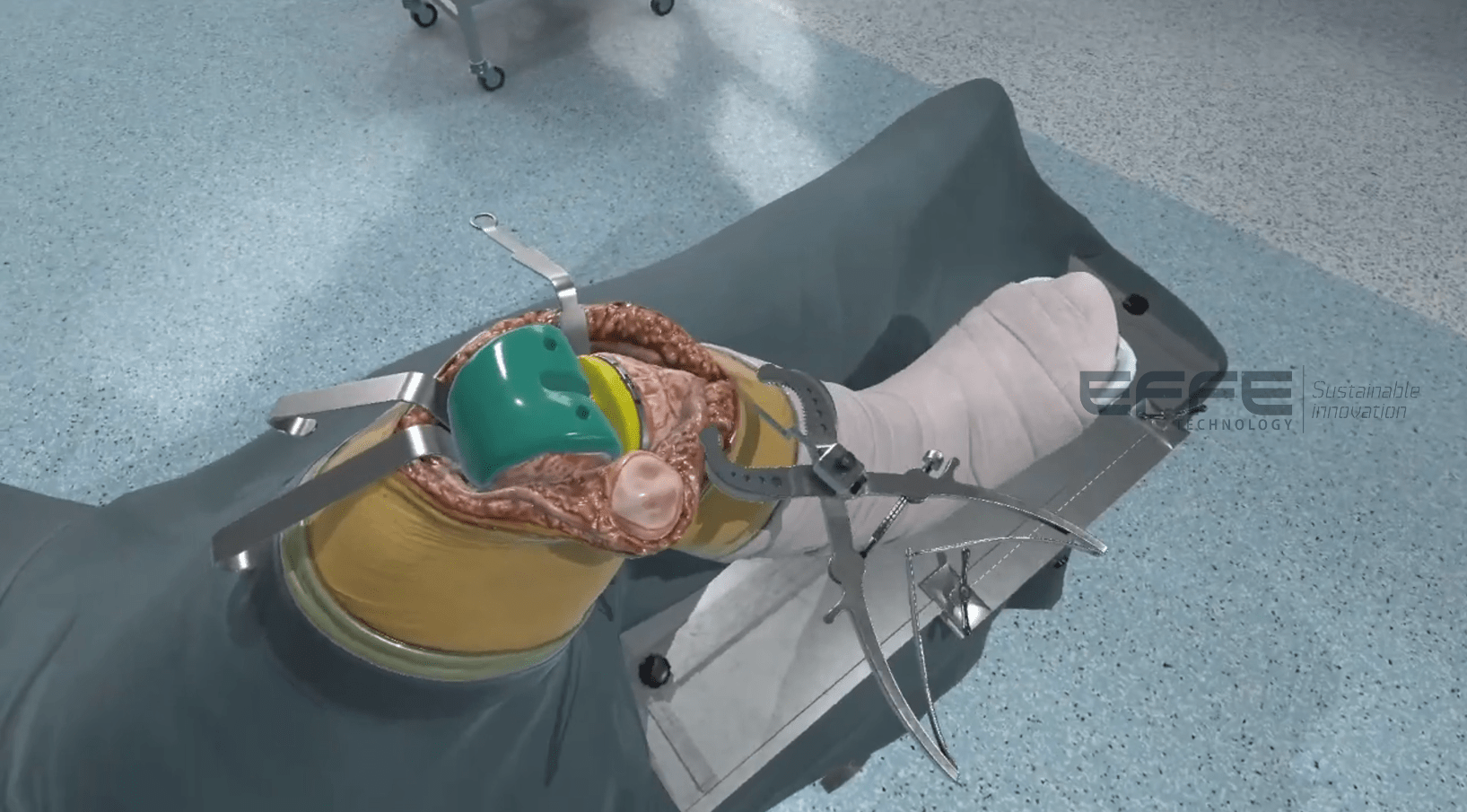
Knee surgeries require precise hand–eye coordination, depth perception, and mastery of complex arthroscopic techniques. Traditional training methods, including cadaver labs, observation-based learning, and limited OT exposure, often restrict surgeons, residents, and trainees from gaining consistent hands-on practice. To overcome these challenges, we developed a knee surgery VR training simulator designed specifically for orthopedic centers, joint surgery hospitals, medical universities, and surgical residency programs.
This platform provides immersive VR knee surgery training, enabling orthopedic surgeons and trainees to rehearse procedures in a safe, repeatable environment. By combining high-fidelity 3D anatomy with interactive feedback, the simulator enhances technical skills, surgical confidence, and patient safety. As a forward-thinking solution in VR in medical training, it also supports competency-based assessment for accreditation and skill evaluation.
Project Requirement
The client required a knee surgery VR training simulator that could:
- Offer structured training modules for residents, fellows, and orthopedic surgeons.
- Provide realistic knee surgery VR simulation with haptic-integrated feedback.
- Enable performance tracking for skill assessment and accreditation.
- Simulate arthroscopic procedures, including meniscectomy, ligament repair, and cartilage reconstruction.
- Reduce dependency on live OT-based practice while ensuring clinical accuracy.
The goal was to create a trusted VR knee surgery training ecosystem that supports continuous skill development, competency evaluation, and standardized orthopedic training.
Project Planning
Our planning phase involved collaboration with orthopedic surgeons, arthroscopy specialists, and surgical educators. Key steps included:
- Designing progressive VR training modules from beginner to advanced.
- Developing anatomically precise 3D knee joint models with realistic tissue dynamics.
- Integrating motion tracking, error detection, and performance analytics.
- Aligning benchmarks with residency programs and accreditation standards.
- Ensuring multi-device compatibility for hospitals, skills labs, and training centers.
Each module underwent expert validation to ensure procedural accuracy, immersive learning, and usability across skill levels.
Project Process & Execution
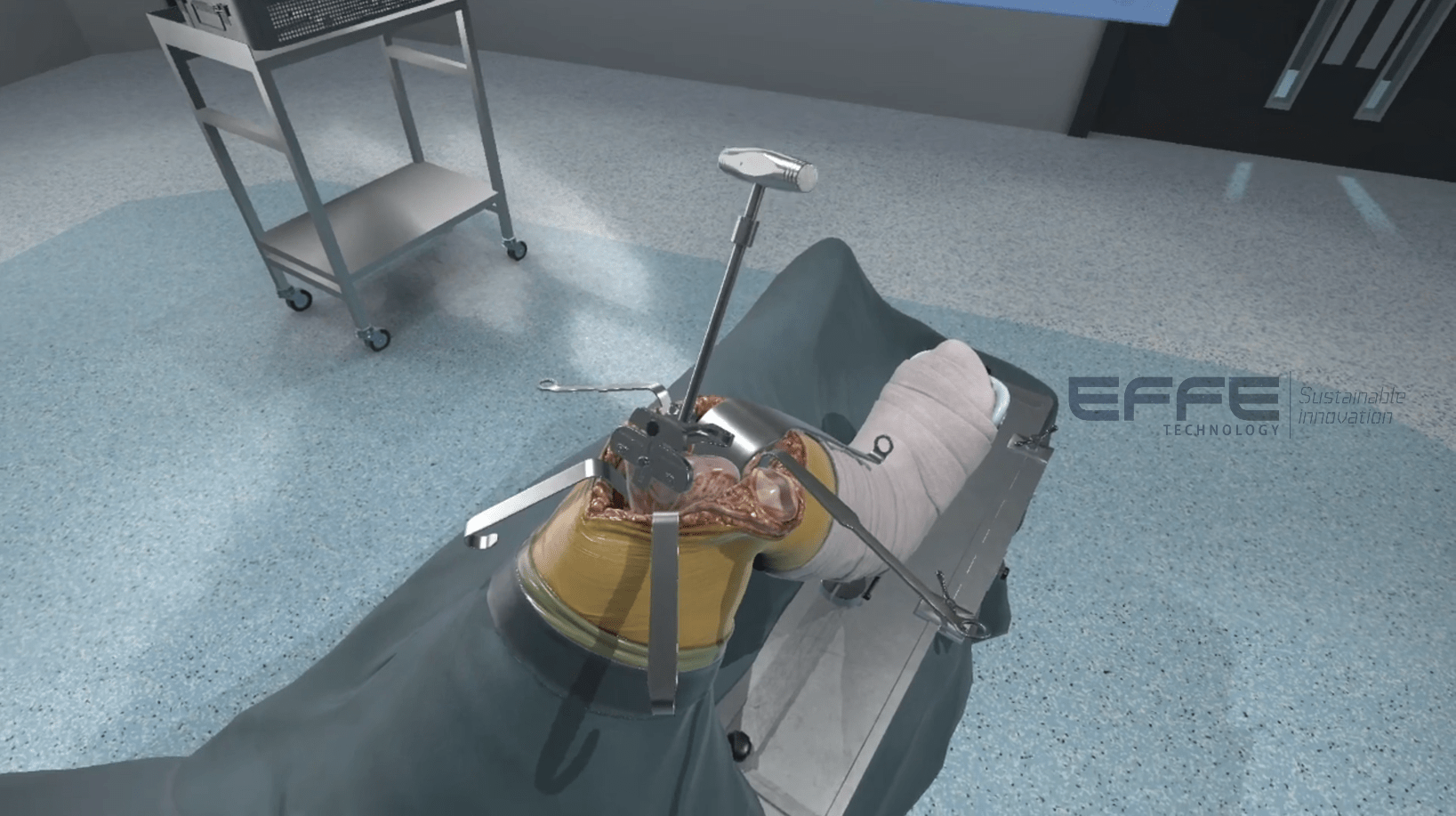
Using advanced 3D modeling, physics engines, and immersive VR frameworks, we developed a comprehensive knee surgery VR training simulator that enables users to:
- Practice arthroscopic navigation, portal placement, and instrument handling.
- Perform meniscus repair, ligament reconstruction, and cartilage debridement with precision.
- Manage simulated intraoperative complications in a risk-free environment.
- Develop depth perception, hand–eye coordination, and ambidextrous proficiency.
- Receive instant feedback through integrated VR knee surgery training dashboards.
The platform combines realistic surgical response, high-resolution visual fidelity, and performance tracking, allowing repeated practice to refine both technical and cognitive skills.
Challenges & Learning
One challenge was replicating tactile feedback for arthroscopic instruments within a knee surgery VR simulation environment. Iterative refinement with orthopedic experts ensured realistic resistance and tissue response.
Balancing procedural depth with usability was another learning point. The system had to cater to surgeons and trainees at varying expertise levels without compromising training effectiveness.
This process reinforced our capability in delivering enterprise-grade VR in medical training solutions for orthopedic surgical skill development.
Client Deliverables
- Fully immersive knee surgery VR training simulator
- High-fidelity 3D knee joint models and arthroscopy modules
- Structured VR training curriculum and scenario-based exercises
- Performance dashboards for skill tracking and competency assessment
- Multi-device deployment for hospitals, universities, and training centers
- Ongoing technical and clinical support
Conclusion
Our knee surgery VR training simulator redefines orthopedic training by combining immersive rehearsal, realistic simulation, and measurable skill assessment. Hospitals, surgical centers, and educational institutions investing in this platform ensure safer, repeatable, and competency-driven training while advancing resident education and surgical confidence.