
Overview
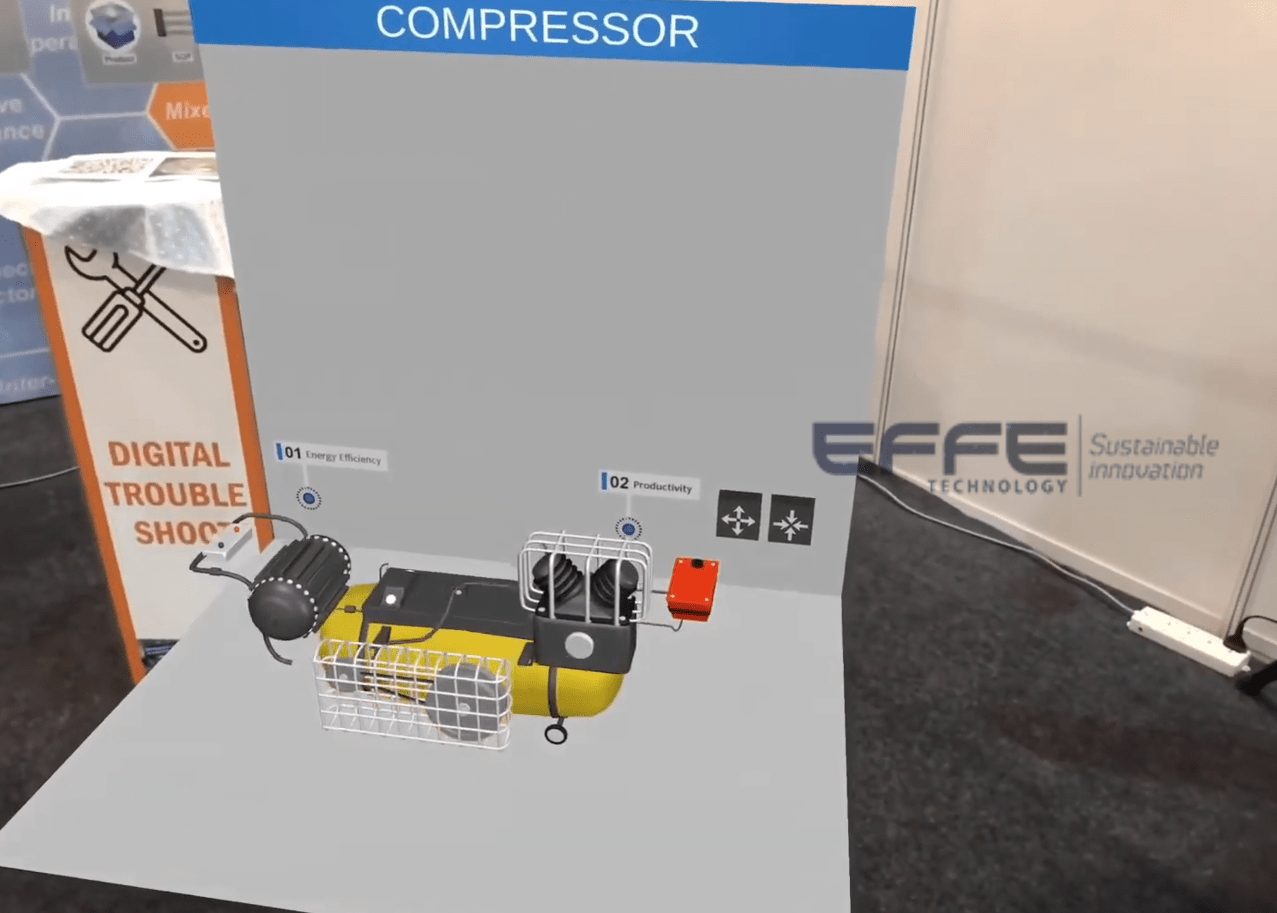
In today’s competitive brand landscape, capturing audience attention during live events has become increasingly challenging. Static booths, traditional displays, and passive brand messaging no longer deliver the engagement modern consumers expect. This case study explores how a strategically executed AR-led experiential marketing approach helped a brand convert live events into immersive, interactive, and shareable digital experiences.
Designed for the experiential marketing and event management industry, this project demonstrates how augmented reality can elevate brand storytelling, extend event reach beyond physical spaces, and drive measurable engagement. By combining immersive technology with user-centric design, the campaign redefined how audiences interact with brands during live activations.
Project Requirement
The client aimed to stand out at large-scale brand events and exhibitions while increasing meaningful audience interaction. Their core requirement was to implement experienctal marketing that moved beyond visual appeal and created memorable, participatory moments for attendees.
Key objectives included:
- Delivering immersive brand interactions through AR-powered experiences
- Strengthening ar brand promotion at live events
- Encouraging organic sharing via ar social media marketing campaigns
- Increasing dwell time and audience recall
- Extending event engagement beyond on-ground activations
The solution needed to be intuitive, scalable, and aligned with the brand’s broader marketing ecosystem.
Project Planning
Planning focused on understanding attendee behavior within live event environments. The team identified moments where experienctal marketing could add maximum impact—such as product discovery, brand storytelling, and social engagement zones.
Strategic planning involved:
- Mapping user journeys across physical and digital touchpoints
- Identifying AR interactions that encouraged exploration and participation
- Designing experiences optimized for both live engagement and ar social media marketing campaigns
- Ensuring consistent messaging for long-term ar brand promotion
This approach ensured the AR experience felt purposeful and aligned with brand goals.
Project Process & Execution
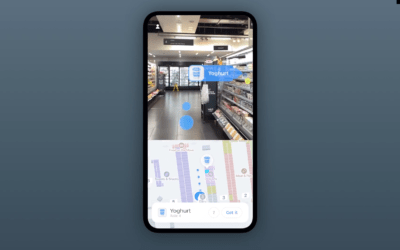
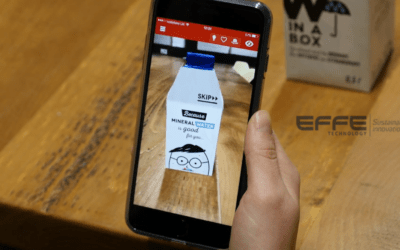
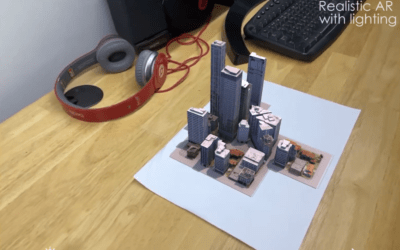
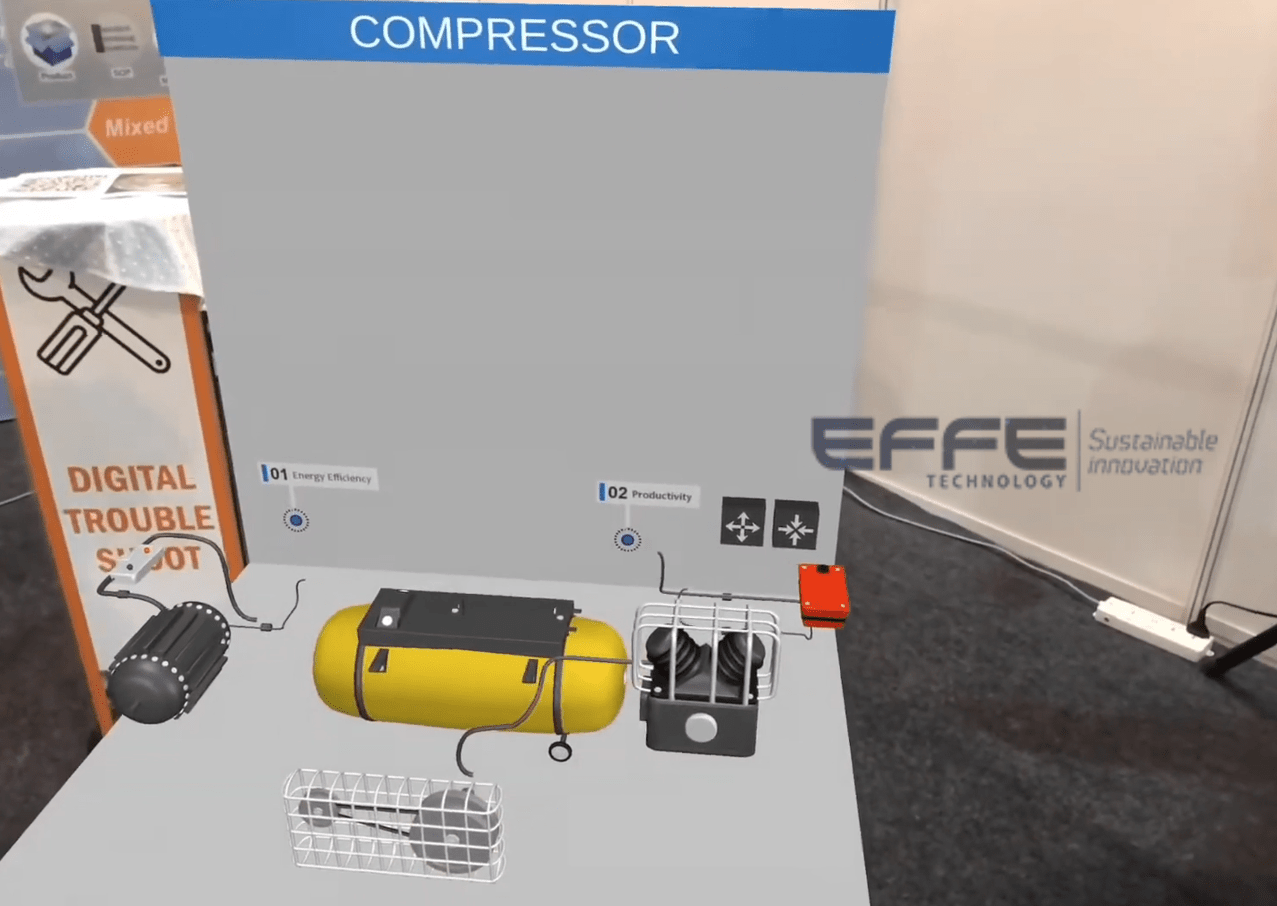
Execution began with creating immersive AR environments that blended seamlessly into the event setup. Attendees could interact with digital elements layered over physical spaces, turning passive viewing into active engagement.
Key execution highlights included:
- Development of interactive AR experiences tailored for experienctal marketing
- Seamless integration with mobile devices for easy access
- Social-ready AR moments designed for ar social media marketing campaigns
- Brand-led storytelling elements that strengthened ar brand promotion
By transforming event spaces into interactive digital touchpoints, the brand achieved deeper engagement and increased emotional connection with attendees.
Challenges & Learning
One of the main challenges was ensuring first-time users could engage with AR experiences effortlessly. Simplifying interactions without reducing immersion became a key learning. Another challenge was balancing visual richness with performance reliability during high-footfall events.
Key learnings included:
- Simplicity drives higher adoption in experienctal marketing
- Interactive control increases audience involvement
- AR experiences perform best when optimized for social sharing
- Consistent messaging strengthens long-term ar brand promotion
These insights refined the overall strategy and improved campaign effectiveness.
Client Deliverables
- Immersive AR experiences for live brand events
- Social-ready AR assets supporting ar social media marketing campaigns
- Scalable AR content for future experienctal marketing initiatives
- Performance-optimized digital experiences for multi-event deployment
Conclusion
This case study highlights how a well-executed experienctal marketing strategy powered by AR can transform live events into high-impact digital experiences. By blending immersive technology with strategic storytelling, the brand increased engagement, extended event reach, and strengthened brand recall.
For marketers seeking innovative ways to elevate live activations, this project proves that AR-driven experienctal marketing, supported by effective ar brand promotion and ar social media marketing campaigns, can deliver lasting value and measurable results.