
Overview
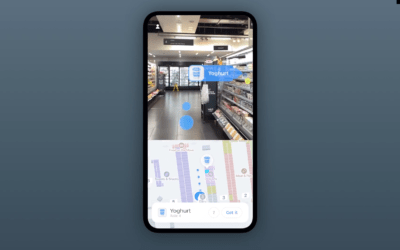
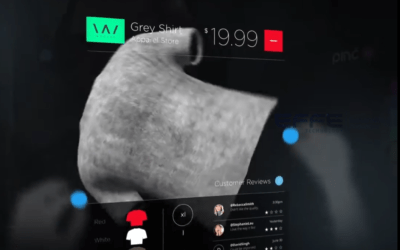
In the fast-growing eCommerce landscape, one of the biggest challenges brands face is buyer hesitation caused by the inability to physically see or experience products online. This case study highlights how AR product visualization for e-commerce was implemented to help an online retail brand overcome this challenge by transforming standard product listings into immersive, interactive shopping experiences.
Designed for eCommerce businesses, D2C brands, and lifestyle retailers, this solution demonstrates how augmented reality can bridge the gap between online browsing and in-store confidence. By allowing customers to visualize products in their own environment, the brand significantly improved engagement, reduced uncertainty, and supported more confident purchase decisions.
Project Requirement
The client wanted to enhance their digital storefront and reduce friction in the buyer journey. Traditional product images and videos were not enough to answer customer questions related to size, scale, and real-world appearance. The primary requirement was to implement AR product visualization for e-commerce that would help customers interact with products before buying.
Key requirements included:
- Enabling real-scale product visualization using AR
- Supporting high-consideration products like furniture and lifestyle items
- Improving customer confidence and reducing product returns
- Integrating AR seamlessly into existing eCommerce workflows
- Building a scalable AR marketing strategy for business growth
The solution needed to work smoothly across mobile devices and browsers without increasing complexity for users.
Project Planning
The planning phase focused on understanding customer behavior across the online purchase funnel. The team identified critical moments where buyers typically hesitate and mapped how AR product visualization for e-commerce could address those concerns.
Planning considerations included:
- Selecting products best suited for AR interaction
- Designing intuitive AR experiences for first-time users
- Structuring reusable assets for long-term scalability
- Aligning AR furniture visualization marketing with brand aesthetics
- Ensuring the AR experience supported a broader AR marketing strategy for business
This approach ensured the solution was practical, easy to adopt, and aligned with real customer expectations.
Project Process & Execution
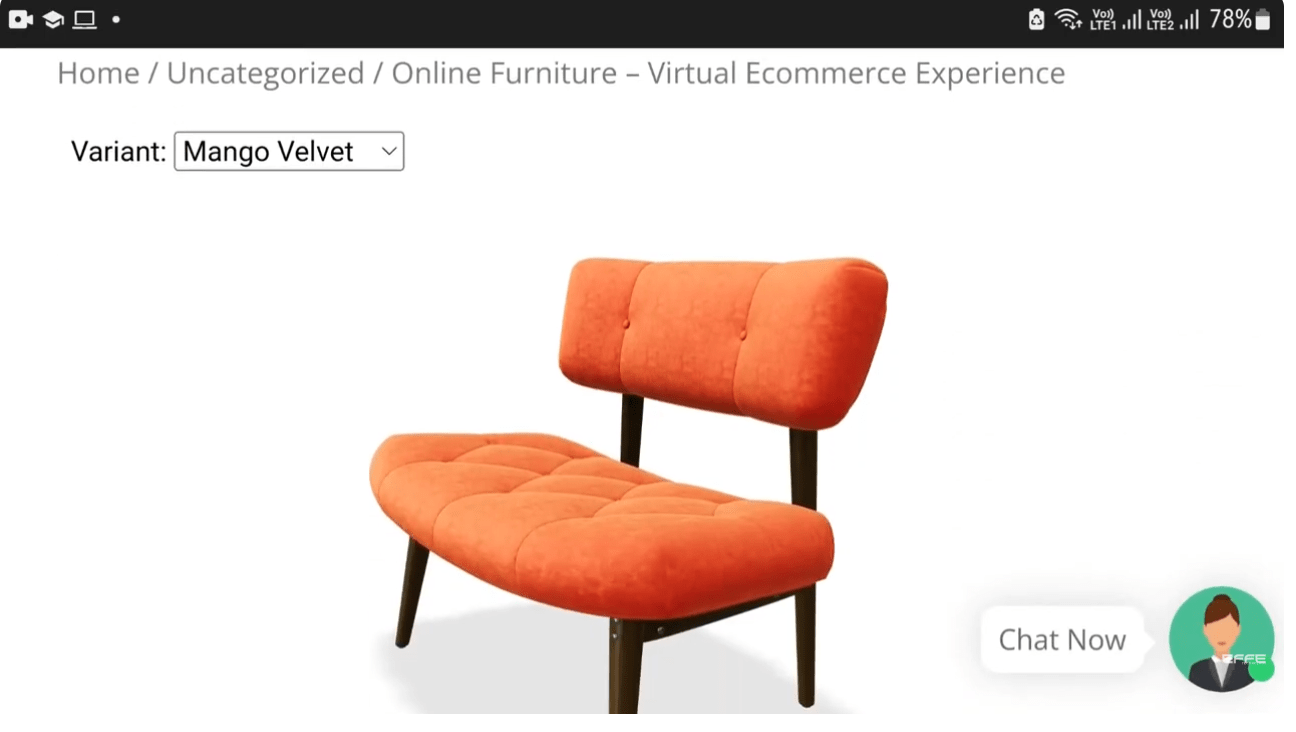
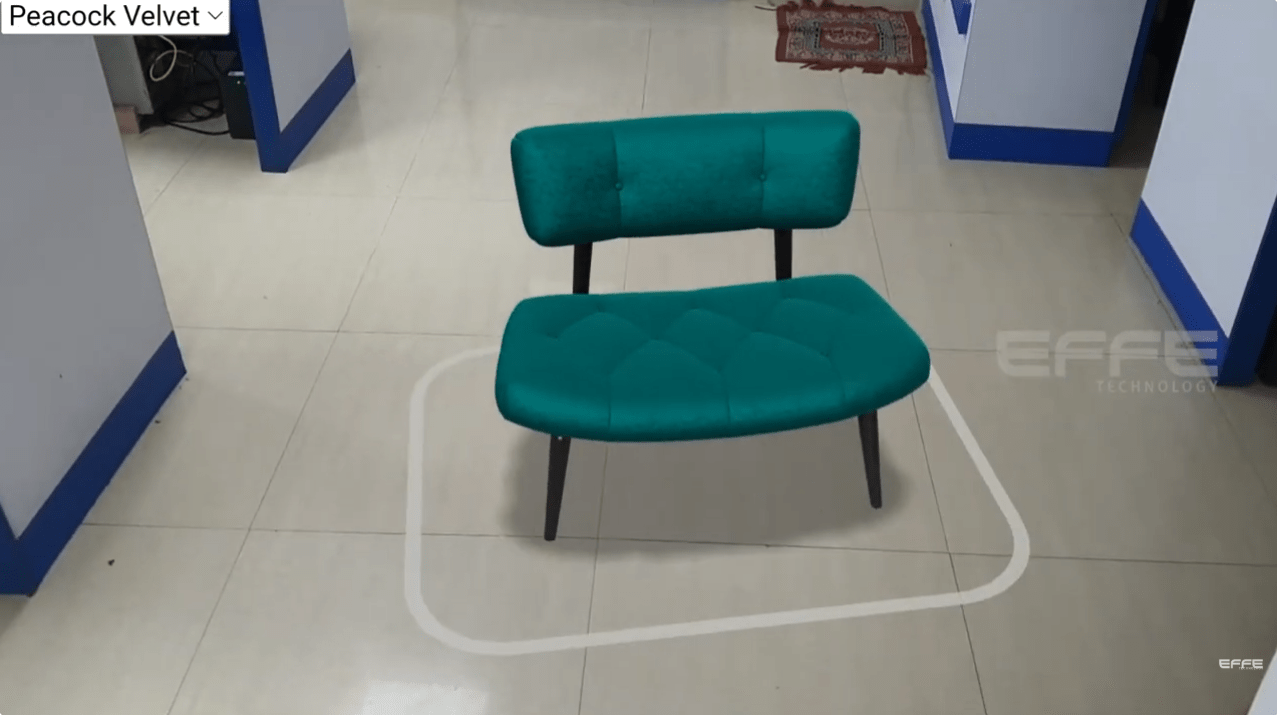
Execution began with converting high-quality 3D product models into AR-optimized assets suitable for eCommerce platforms. Using AR product visualization for e-commerce, users could place products in their real environment, rotate them, and view details from every angle.
Key execution elements included:
- Accurate 3D modeling and texture optimization
- Mobile-first AR deployment for seamless access
- Interactive features to encourage exploration
- Integration with product pages and marketing campaigns
For furniture and décor items, AR furniture visualization marketing played a critical role in helping customers understand size, fit, and design compatibility. The experience was further supported by a consistent AR marketing strategy for business, ensuring alignment across digital channels.
Challenges & Learning
One challenge was balancing visual realism with fast loading times on mobile devices. Early optimization proved essential for smooth AR product visualization for e-commerce. Another challenge was designing interactions that felt intuitive to non-technical users.
Key learnings included:
- Simpler AR interactions drive higher adoption
- Visual clarity builds stronger buyer trust
- AR furniture visualization marketing significantly reduces purchase hesitation
- A structured AR marketing strategy for business improves long-term ROI
These insights helped refine the solution and improve overall performance.
Client Deliverables
- Interactive AR product visualization for e-commerce experiences
- AR-ready 3D product models optimized for retail use
- Scalable AR assets for future product launches
- Marketing visuals supporting digital campaigns
- Integration-ready AR frameworks for long-term use
Conclusion
This case study demonstrates how AR product visualization for e-commerce can turn online browsing into confident purchasing decisions. By combining immersive technology with a clear AR marketing strategy for business, the brand improved engagement, reduced buyer uncertainty, and strengthened customer trust.
For eCommerce and retail brands looking to differentiate and convert better, AR furniture visualization marketing and interactive product experiences offer a future-ready approach to modern digital commerce.