
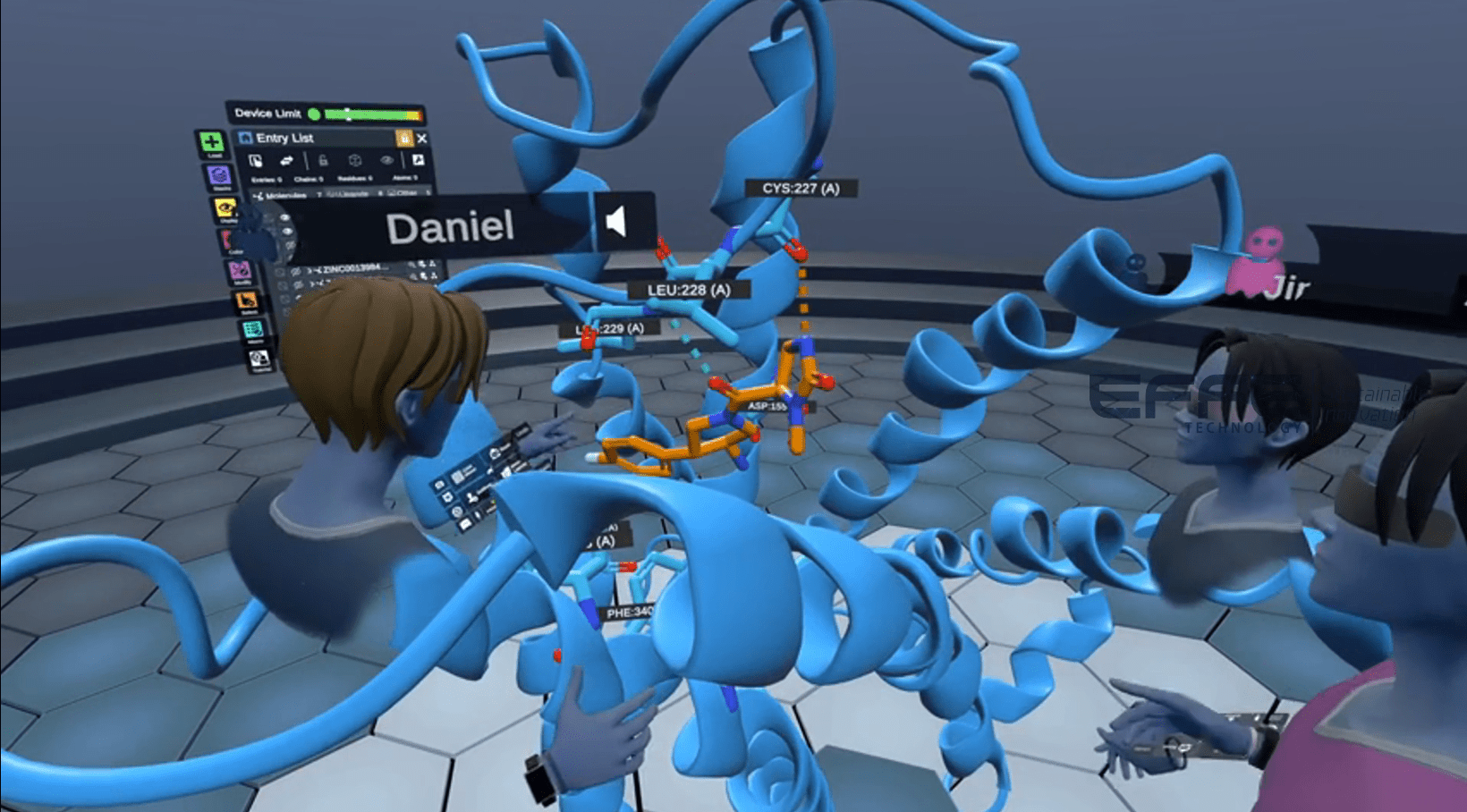
Overview
Understanding molecular-level drug action is critical for pharmaceutical innovation. However, explaining receptor conformational changes, binding affinity, signal transduction, and downstream pharmacodynamics through 2D slides or static molecular models often limits scientific clarity.
To address this gap, we developed a scientifically validated drug target interaction VR platform tailored for pharmaceutical companies, biotech firms, CROs, academic medical universities, and pharma training departments.
This immersive system combines advanced drug-receptor binding VR simulation, structured drug mechanism of action VR modules, and scalable VR pharma training architecture to transform how pharmacologists, medicinal chemists, and medical affairs teams understand and communicate drug science.
The result is a trusted, interactive drug target interaction VR solution that brings molecular pharmacology into a fully explorable 3D environment.
Project Requirement
The client required a scalable and scientifically precise drug target interaction VR platform capable of:
- Demonstrating real-time ligand-receptor docking in 3D
- Delivering structured drug-receptor binding VR simulation modules for training and R&D discussions
- Explaining downstream signaling pathways using drug mechanism of action VR
- Supporting VR pharma training for medical affairs and MSL teams
- Integrating predictive modeling scenarios for affinity and selectivity comparison
- Providing analytics dashboards for institutional assessment
The objective was to create a reliable drug target interaction VR ecosystem that strengthens molecular understanding while maintaining regulatory and scientific integrity.
Project Planning
Our planning phase focused on scientific accuracy, translational relevance, and user-centered learning pathways.
We collaborated with pharmacologists, molecular biologists, medicinal chemists, and regulatory consultants to validate every drug target interaction VR sequence. Binding kinetics, structural conformations, and signaling cascades were aligned with peer-reviewed molecular data and approved drug information.
Key planning strategies included:
- Structuring progressive VR pharma training pathways (basic to advanced molecular concepts)
- Designing interactive drug-receptor binding VR simulation modules with variable affinity models
- Mapping full drug mechanism of action VR sequences from receptor activation to cellular response
- Integrating pharmacovigilance overlays for clinical safety explanation
- Building measurable performance dashboards for R&D and CME institutions
This structured roadmap ensured that the drug target interaction VR platform met both scientific and institutional training standards.
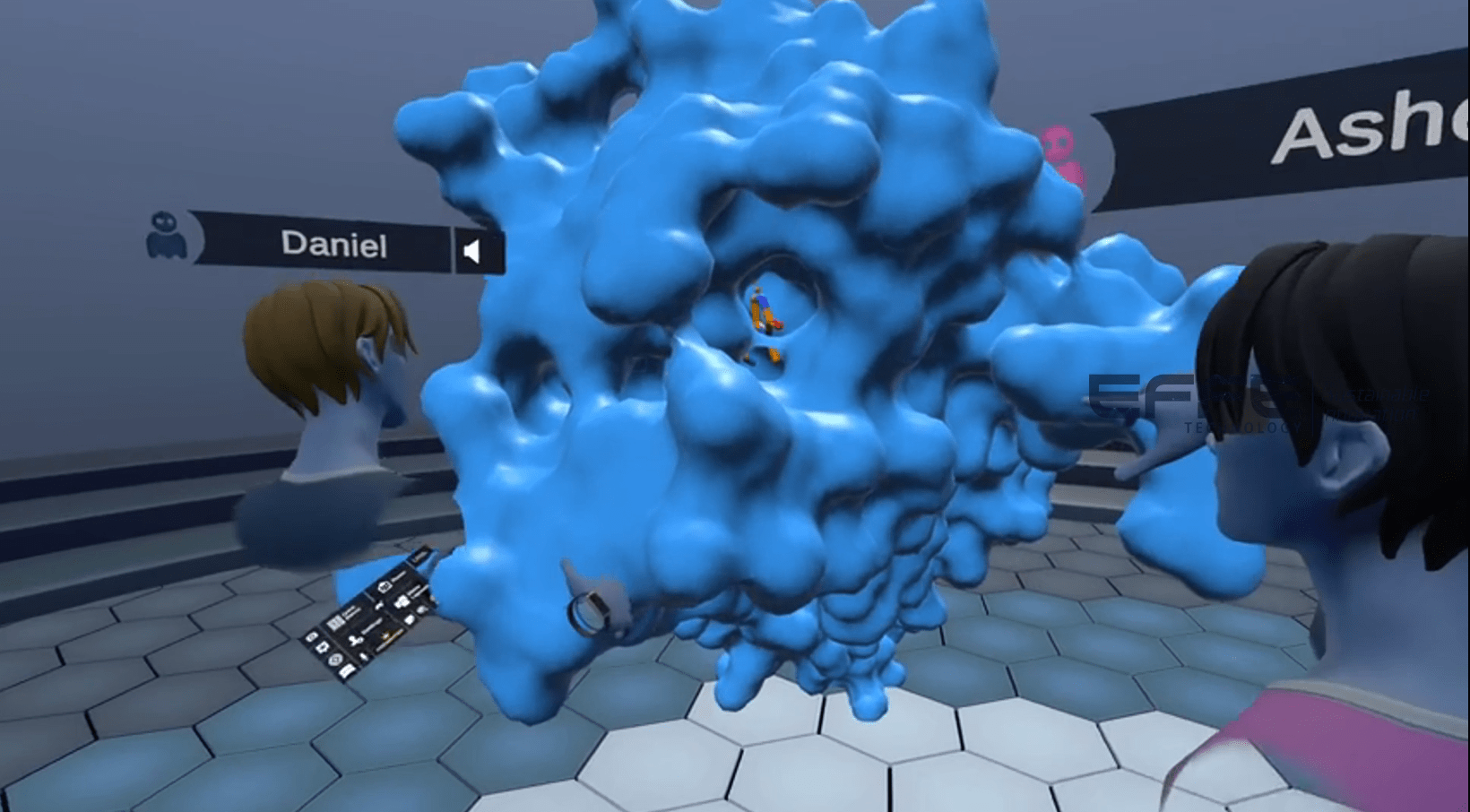
Project Process & Execution
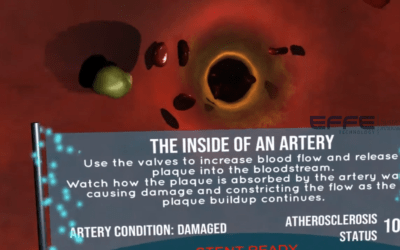
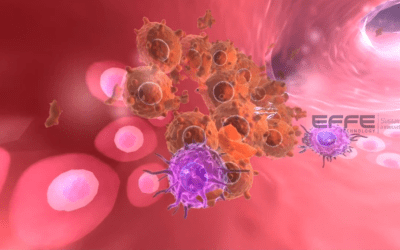
Using advanced biomedical 3D modeling and molecular visualization tools, we developed an immersive drug target interaction VR environment that allows users to step inside a virtual cellular landscape.
Inside the platform, users can:
- Visualize ligand docking through drug-receptor binding VR simulation
- Compare agonists, antagonists, and partial agonists in real time
- Trigger interactive drug mechanism of action VR pathways
- Observe conformational receptor shifts and intracellular signaling
- Simulate binding affinity variations for R&D hypothesis testing
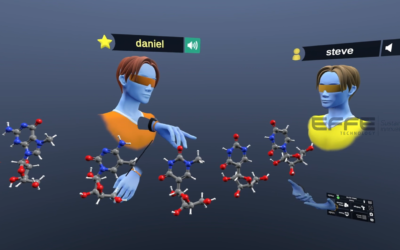
- Conduct instructor-led VR pharma training sessions for academic or enterprise environments
The drug target interaction VR system enables users to zoom into molecular structures, manipulate compounds, and analyze pharmacodynamic outcomes—transforming abstract biochemical concepts into intuitive, interactive learning experiences.
Integrated analytics measure engagement, comprehension, and module completion, giving CSOs, R&D heads, and medical education managers quantifiable training outcomes.
Challenges & Learning
Scientific Depth vs. Usability:
Molecular pharmacology is inherently complex. Designing a drug target interaction VR platform that serves both PhD researchers and medical affairs teams required layered content and adaptable complexity.
Data Accuracy:
Ensuring that each drug-receptor binding VR simulation and drug mechanism of action VR module reflected validated structural data demanded extensive expert review cycles.
Scalability Across Institutions:
From universities to pharma headquarters, the VR pharma training framework needed flexible deployment without compromising performance or security.
Through iterative refinement and expert validation, the platform achieved high institutional credibility.
Client Deliverables
- Fully immersive drug target interaction VR platform
- Interactive drug-receptor binding VR simulation modules
- Structured drug mechanism of action VR learning pathways
- Enterprise-ready VR pharma training architecture
- Instructor dashboard with analytics & reporting
- Multi-user support for pharma, CROs, and universities
- Deployment, onboarding, and technical support
Conclusion
The drug target interaction VR platform transforms pharmacology education and drug development training by merging molecular precision with immersive visualization.
Through advanced drug-receptor binding VR simulation, structured drug mechanism of action VR modules, and scalable VR pharma training, pharmaceutical organizations gain a scientifically credible, future-ready solution.
For R&D leaders, pharmacology departments, and medical education managers, investing in drug target interaction VR means empowering teams with deeper molecular insight, clearer scientific communication, and measurable training impact—built on accuracy, innovation, and trust.