
Overview
The real estate and architecture industry is rapidly shifting toward intelligent, data-driven, and immersive design experiences. Today’s developers, architects, and investors need more than 2D drawings and static 3D renders—they need living, interactive environments that support better decisions, faster approvals, and stronger stakeholder confidence. This case study showcases how AI-enhanced XR design visualization transformed traditional real estate planning into a fully immersive, intelligent, and future-ready digital experience.
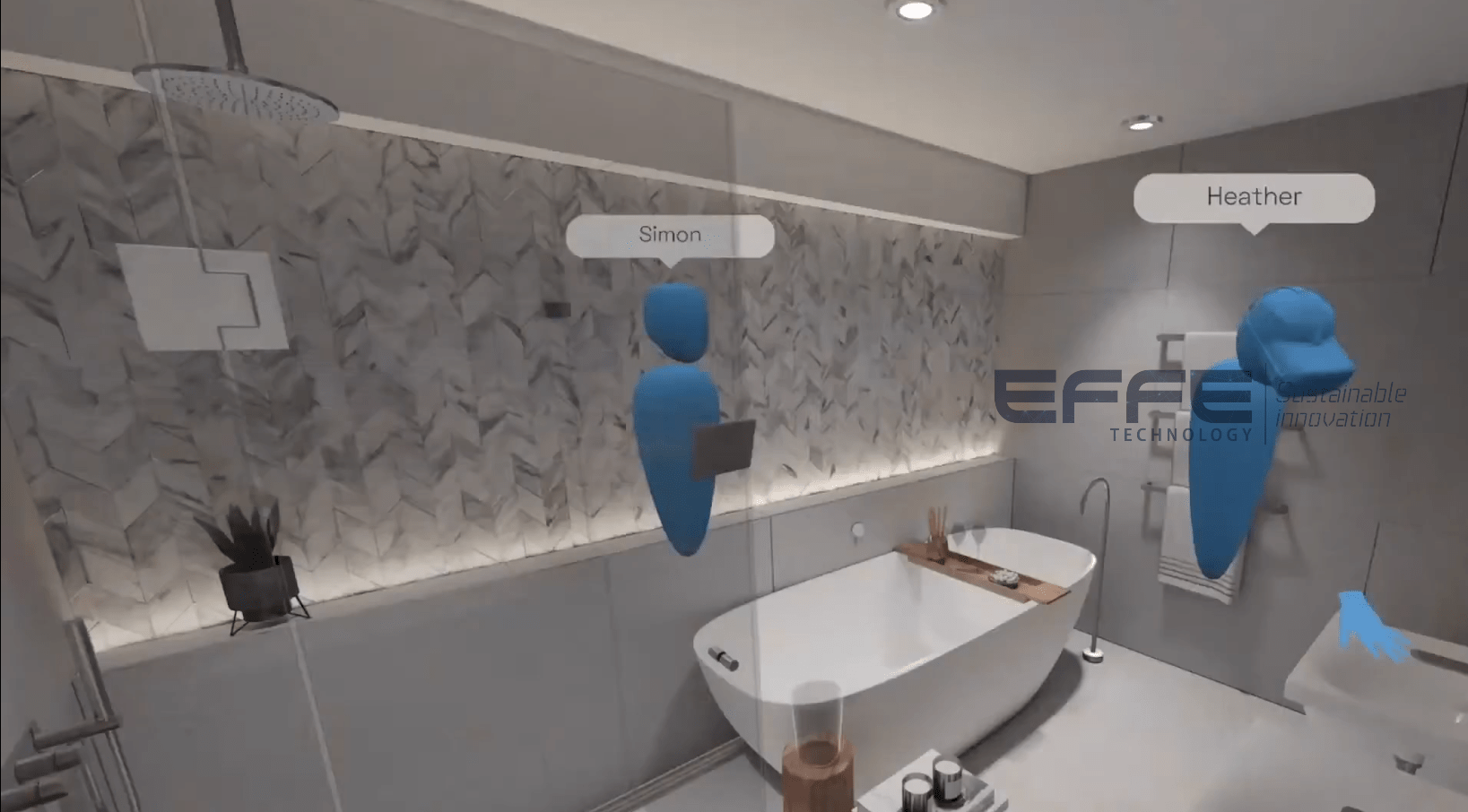
By implementing AI-enhanced XR design visualization, the client created immersive digital environments where stakeholders could explore projects before construction even began. Investors, planners, designers, and decision-makers were able to walk through virtual properties, visualize spatial layouts, test design options, and evaluate functionality in real time. Instead of relying on assumptions, every decision was supported by immersive data and interactive experiences. This approach built trust, reduced risk, improved collaboration, and positioned the brand as a leader in smart real estate innovation.
Project Requirement
The client aimed to modernize real estate planning, design, and development workflows through immersive technology. Their goal was to create a future-ready platform powered by AI-enhanced XR design visualization that could unify design, planning, approvals, and stakeholder engagement.
Key requirements included:
- Enterprise-grade AI-enhanced XR design visualization platform
- Intelligent spatial planning and design modeling
- AI-powered XR visualization for predictive insights and design optimization
- Immersive XR design visualization for real estate projects
- Real-time design modification and simulation
- Multi-user collaboration environments
- Cross-device compatibility (VR, AR, XR, desktop)
- Secure, scalable digital infrastructure
The foundation of the project was trust, design accuracy, scalability, and long-term digital reliability.
Project Planning
Planning focused on aligning immersive technology with real estate workflows, design thinking, and business strategy. Strategic leaders, architects, urban planners, AI specialists, and XR developers collaborated to build a system that was practical, intelligent, and enterprise-ready.
Planning activities included:
- Design workflow mapping
- Architecture planning for AI-enhanced XR design visualization systems
- Integration planning for AI-powered XR visualization models
- Experience design for XR design visualization for real estate use cases
- AI data modeling and predictive logic
- Performance, scalability, and security planning
- Stakeholder experience design
This ensured the platform was not just visually impressive, but operationally reliable and business-aligned.
Project Process & Execution
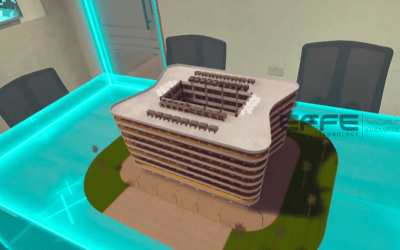
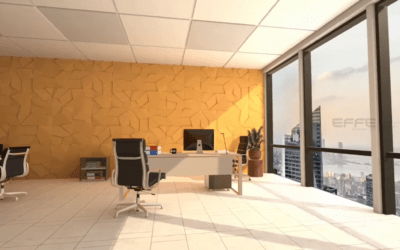
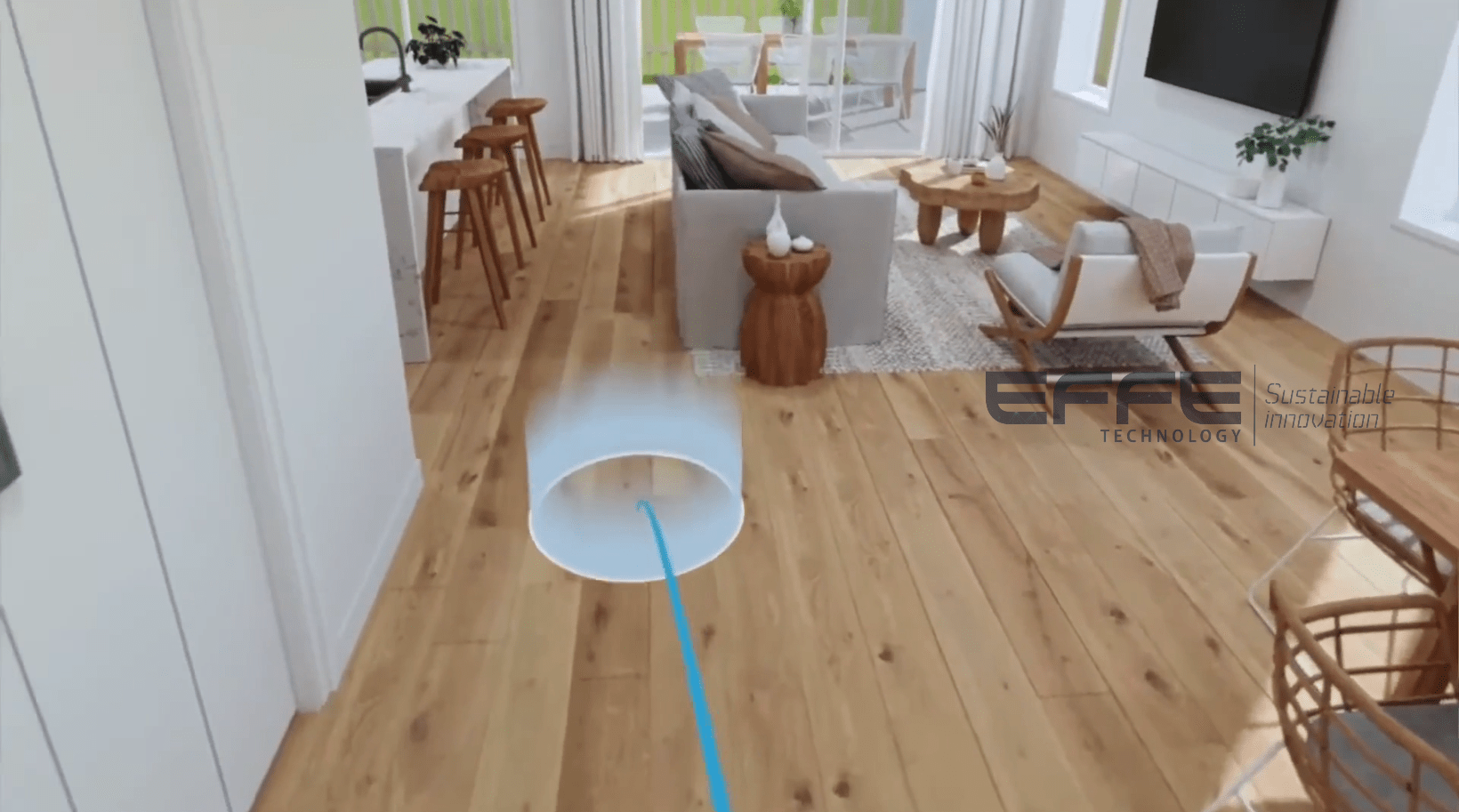
Execution began with the creation of high-fidelity 3D environments, smart city models, building structures, and immersive property experiences. Advanced XR and AI technologies were used to deploy AI-enhanced XR design visualization across design studios, boardrooms, and development teams.
Through the platform, users could:
- Walk through immersive virtual properties
- Visualize building layouts and spatial flows
- Use AI-powered XR visualization for design optimization
- Simulate lighting, materials, and structural elements
- Apply XR design visualization for real estate in planning approvals
- Collaborate in shared immersive environments
- Test multiple design scenarios in real time
The system unified design, planning, visualization, and decision-making into one connected ecosystem. With AI-enhanced XR design visualization, stakeholders gained clarity, confidence, and control throughout the entire real estate lifecycle.
Challenges & Learning
- Data Accuracy: AI models required high-quality design data
- User Adoption: Simple interfaces improved stakeholder engagement
- Performance: High-fidelity environments needed optimization
- Integration: Legacy systems required seamless connectivity
- Scalability: Infrastructure had to support large-scale developments
These learnings strengthened the reliability and enterprise readiness of the AI-enhanced XR design visualization platform.
Client Deliverables
- Enterprise AI-enhanced XR design visualization platform
- Smart property visualization environments
- AI-powered XR visualization systems
- Immersive XR design visualization for real estate solutions
- Multi-user collaboration spaces
- Predictive design intelligence tools
- Secure digital infrastructure
- Scalable XR architecture
Conclusion
This project demonstrates how AI-enhanced XR design visualization is redefining the future of real estate and urban development. By combining intelligent AI models, immersive environments, AI-powered XR visualization, and XR design visualization for real estate, the platform delivers trusted, data-driven, and immersive experiences that organizations can rely on.
Developers gain confidence and clarity. Architects gain precision and flexibility. Investors gain transparency and risk reduction. With AI-enhanced XR design visualization, real estate development evolves from static planning into intelligent, immersive, and future-ready digital ecosystems—built on trust, technology, and long-term growth.