
Overview
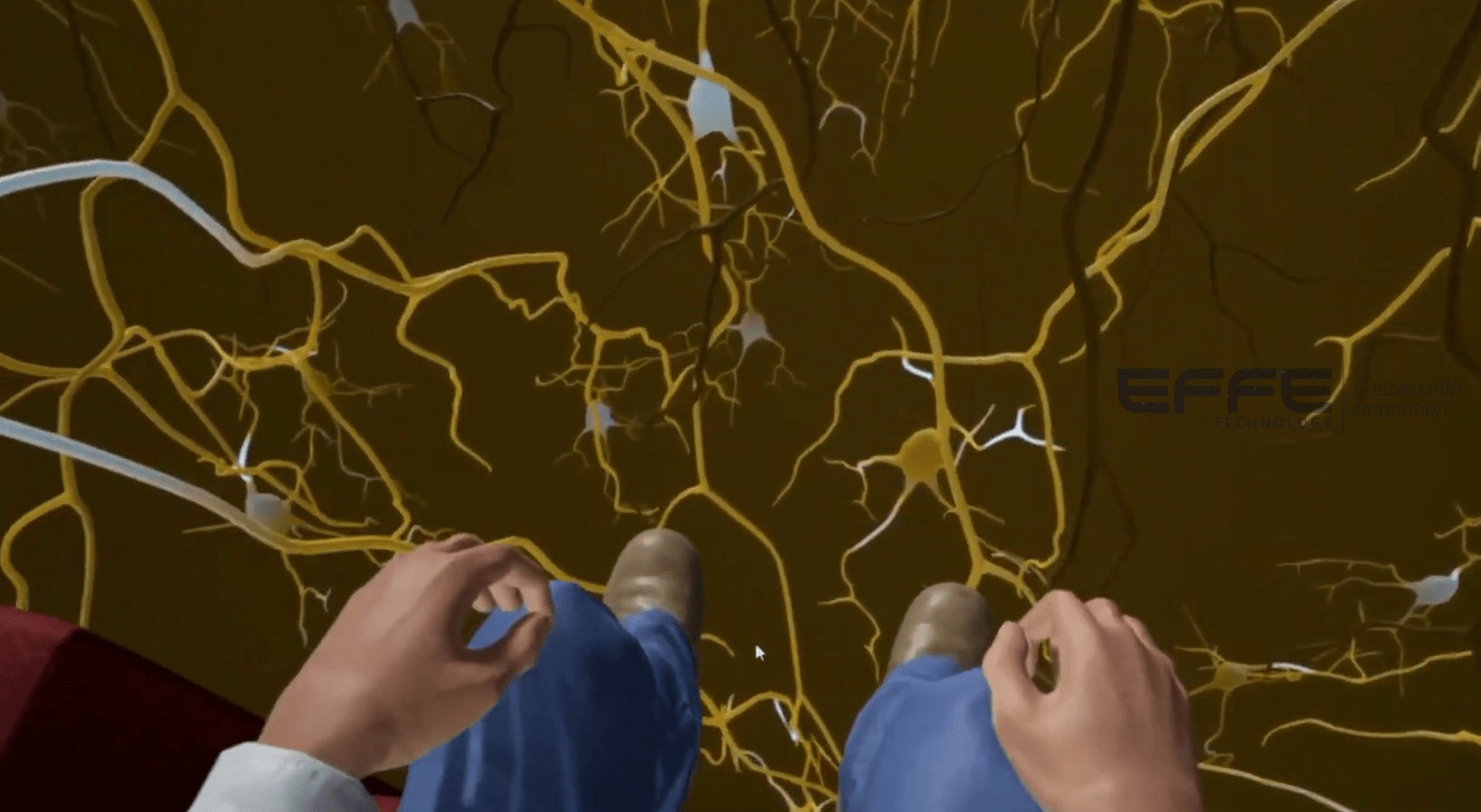
Understanding neurological disorders and stroke mechanisms requires more than textbooks or 2D imaging. Complex processes like neuronal damage, ischemia, and functional impairment are challenging to visualize and simulate using traditional learning methods. To address this, we developed an advanced neurological pathophysiology VR platform tailored for neurology departments, stroke rehabilitation centers, teaching hospitals, and medical simulation institutes.
This immersive platform allows neurologists, neurosurgeons, rehabilitation specialists, and medical students to explore the brain and its pathophysiology in a fully interactive 3D environment. By combining detailed brain models with scenario-based stroke simulations, the system strengthens clinical understanding, enhances decision-making, and supports competency-driven education. Integrated virtual reality for medical training enables a safe, repeatable learning experience that bridges theory and practice.
Project Requirement
The client required a scalable neurological pathophysiology VR solution that could:
- Visualize neuronal damage, stroke progression, and cerebral ischemia in real time.
- Deliver interactive stroke VR simulation modules for pre- and post-stroke rehabilitation.
- Integrate realistic scenarios within a virtual reality neurology training environment.
- Support performance tracking and measurable assessment tools for students, residents, and practicing physicians.
- Be deployable across hospitals, rehabilitation centers, and academic institutions.
The objective was clear: create a trusted neurological pathophysiology VR ecosystem that improves clinical understanding, accelerates skill acquisition, and enhances patient outcomes.
Project Planning
We collaborated closely with neurologists, neurosurgeons, physiotherapists, and medical educators to ensure clinical accuracy and relevance.
Key planning steps included:
- Designing high-fidelity 3D brain models to visualize normal and pathological states in neurological pathophysiology VR.
- Developing layered stroke VR simulation modules covering ischemic and hemorrhagic strokes.
- Integrating interactive training tools for virtual reality neurology training of residents, fellows, and rehabilitation staff.
- Embedding assessment dashboards to track decision-making, response times, and procedural accuracy.
- Ensuring multi-device compatibility for hospitals, research centers, and medical universities.
All modules underwent expert validation to ensure scientific accuracy and real-world applicability.
Project Process & Execution
Using advanced 3D modeling, real-time rendering engines, and immersive VR frameworks, we developed a comprehensive neurological pathophysiology VR platform that enables users to:
- Navigate through cortical and subcortical structures to understand stroke mechanisms.
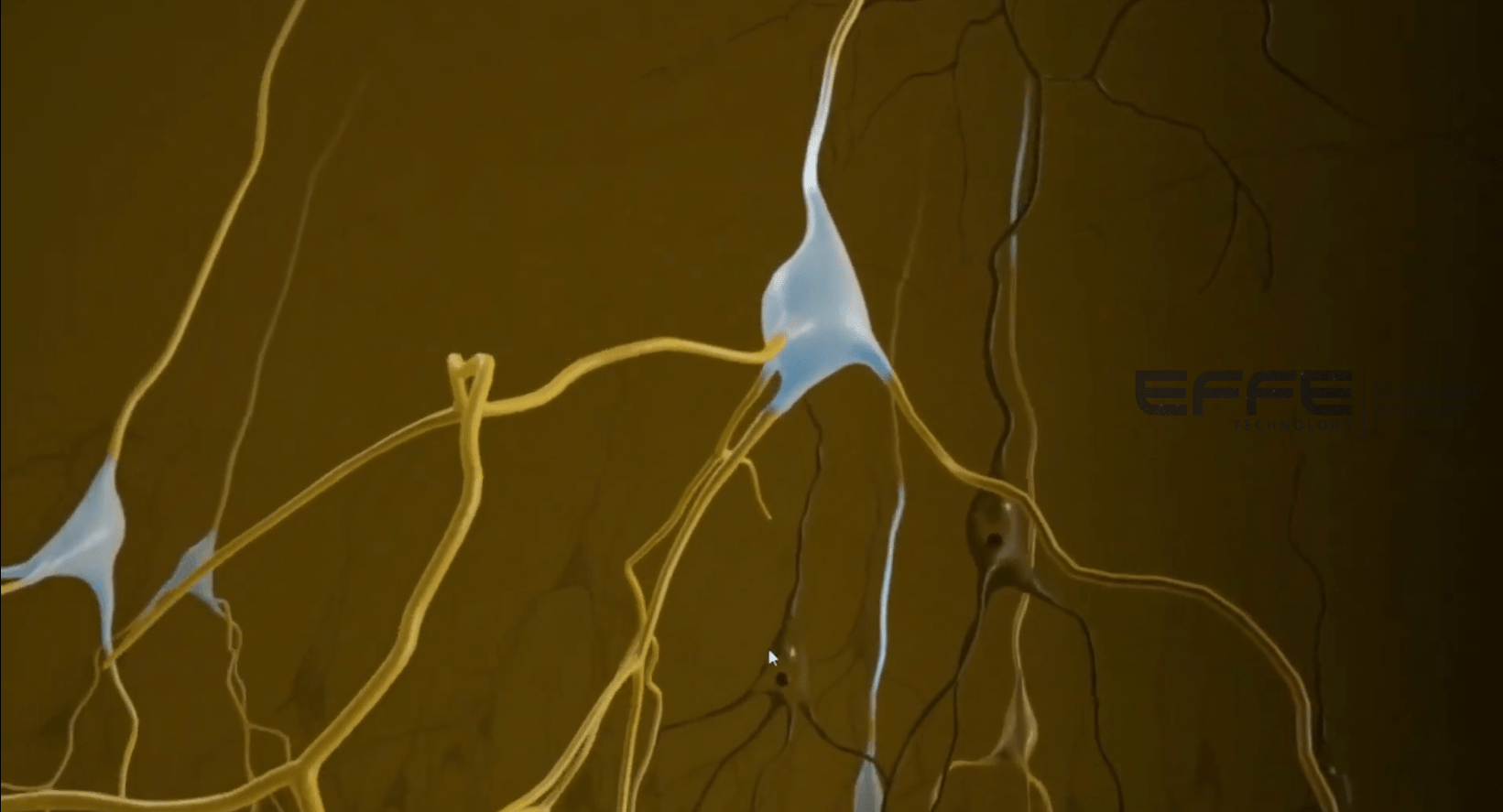
- Observe neuronal damage progression in stroke VR simulation scenarios.
- Practice rehabilitation planning using interactive brain models.
- Repeat simulations for decision-making improvement and skill reinforcement.
- Track performance metrics through integrated dashboards within virtual reality for medical training curricula.
Hospitals and neurorehabilitation centers reported improved trainee engagement, better knowledge retention, and increased clinical confidence after adopting this virtual reality neurology training solution.
Challenges & Learning
Replicating micro-level neuronal damage and stroke progression realistically in VR was a major challenge. Continuous clinical feedback helped refine anatomical accuracy and functional simulation.
Balancing advanced features with usability for medical students, residents, and clinicians was another critical focus. Structured modules and interactive stroke VR simulation cases ensured accessibility while maintaining clinical depth.
This project reinforced the potential of neurological pathophysiology VR as both an educational and clinical decision-support tool, bridging the gap between theoretical learning and hands-on neurological practice.
Client Deliverables
- Fully immersive neurological pathophysiology VR platform
- High-fidelity 3D brain models with stroke progression visualization
- Interactive stroke VR simulation modules
- Structured virtual reality neurology training curriculum
- Performance analytics and assessment dashboards
- Multi-device deployment across hospitals, universities, and rehab centers
- Ongoing clinical and technical support
Conclusion
Our neurological pathophysiology VR solution transforms neurology education and stroke rehabilitation training by combining immersive visualization, interactive practice, and measurable skill development. For neurology departments, teaching hospitals, and rehabilitation centers, this platform establishes a future-ready VR ecosystem that enhances learning, strengthens clinical decision-making, and improves patient care outcomes.