
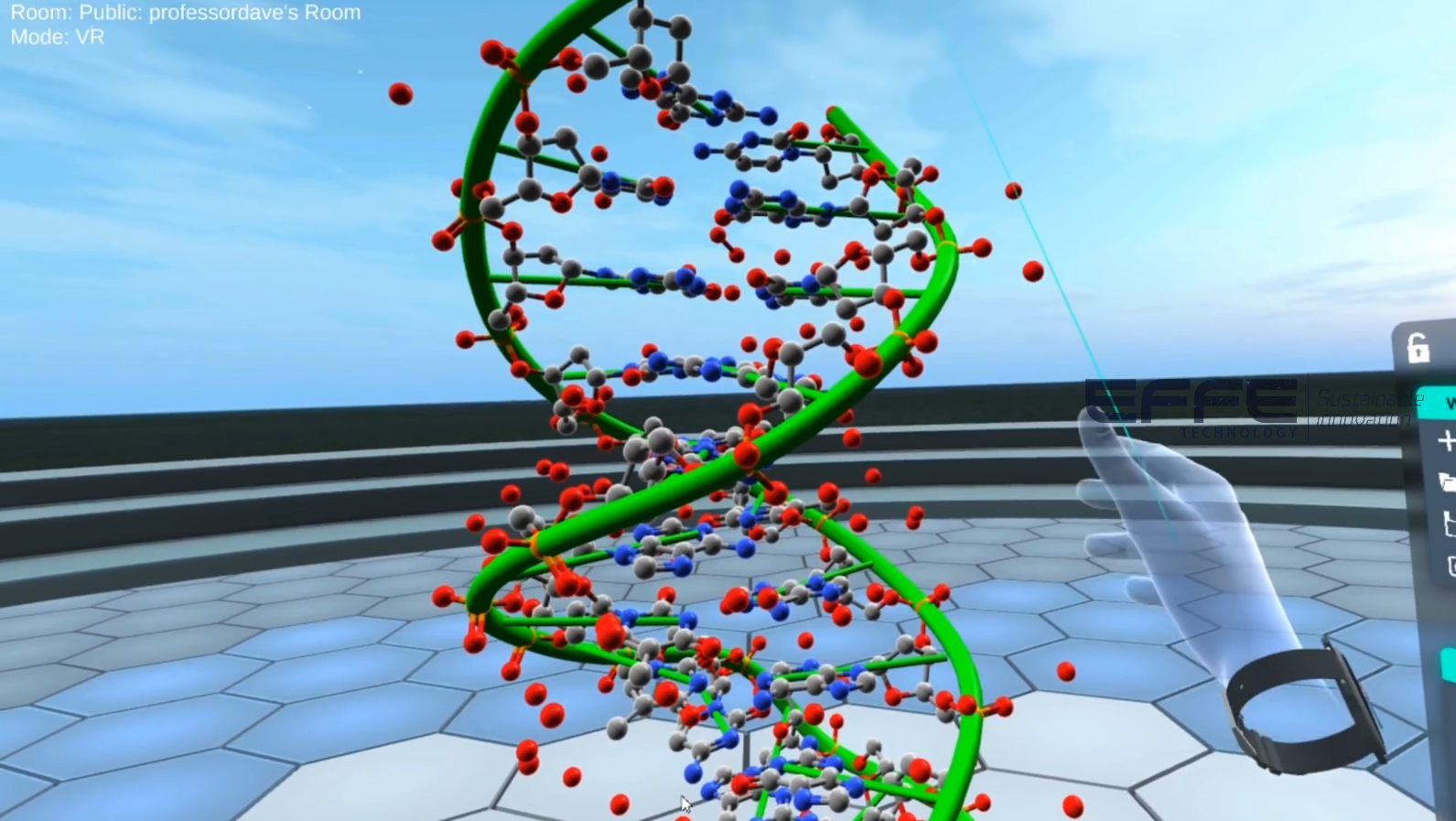
Overview
Understanding DNA replication at a molecular level is fundamental for molecular biology, genetics, biotechnology, and pharmaceutical research. However, traditional 2D diagrams and microscope slides often fail to capture the dynamic, enzyme-driven complexity of replication forks, helicase activity, and leading/lagging strand synthesis.
To address this gap, we developed a DNA replication VR simulation tailored for academic institutions, research labs, pharmaceutical R&D centers, and medical universities. This immersive platform transforms theoretical molecular biology into an interactive, 3D learning ecosystem.
Our DNA replication VR simulation enables molecular biologists, geneticists, PhD scholars, and medical students to step inside the DNA helix, observe enzymatic processes in real time, and understand replication fidelity with scientific precision. Built as a scalable virtual reality DNA replication environment, it enhances both teaching clarity and research communication.
Project Requirement
The client required a scientifically accurate DNA replication VR simulation that could:
- Demonstrate the complete replication cycle from initiation to termination
- Visualize helicase unwinding, primase activity, DNA polymerase elongation, and ligase joining
- Simulate leading and lagging strand synthesis with Okazaki fragments
- Integrate mutation and replication error visualization
- Support classroom teaching, research training, and CME programs
- Function as a collaborative DNA & RNA VR molecular labe for immersive exploration
The goal was to build a reliable DNA replication VR simulation platform trusted by academic leaders, biotech researchers, and pharmaceutical training teams.
Project Planning
Our planning phase focused on molecular accuracy, educational layering, and cross-platform scalability.
We collaborated with molecular biologists, genomics researchers, and professors to structure the virtual reality DNA replication modules in progressive learning levels—introductory, intermediate, and advanced.
Key planning strategies included:
- Mapping enzyme kinetics and structural conformations
- Designing step-by-step interactive DNA replication VR simulation sequences
- Integrating mutation checkpoints and proofreading visualization
- Structuring the environment as a collaborative DNA & RNA VR molecular labe
- Ensuring compatibility with medical simulation labs and EdTech platforms
Every molecular interaction in the DNA replication VR simulation was validated against peer-reviewed literature to ensure scientific credibility and institutional trust.
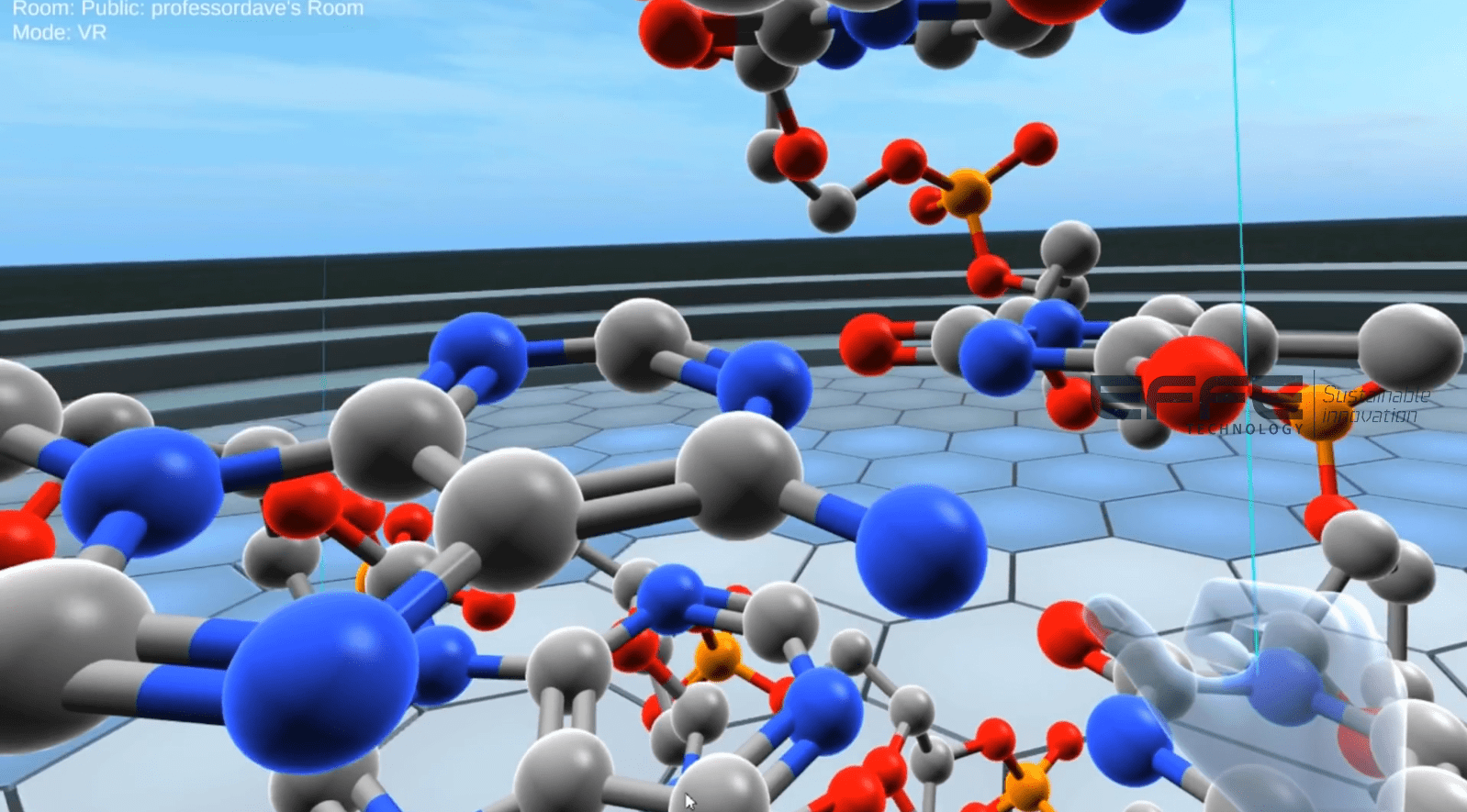
Project Process & Execution
Using advanced biomedical 3D modeling tools, we developed an immersive DNA replication VR simulation environment where users can:
- Enter a magnified 3D DNA double helix
- Observe helicase unzipping strands in real time
- Activate polymerase-driven nucleotide pairing
- Visualize lagging strand fragment formation
- Compare accurate replication vs mutation scenarios
The virtual reality DNA replication modules allow users to zoom into molecular interactions, rotate enzymes, and observe hydrogen bonding mechanisms dynamically.
We also integrated an interactive DNA & RNA VR molecular labe section where learners can simulate RNA transcription and compare replication vs transcription pathways.
Real-time analytics track user interaction, module completion, and comprehension levels—providing measurable learning outcomes for deans, department heads, and program managers.
Challenges & Learning
Molecular Precision in Motion:
Representing enzyme conformational changes accurately inside the DNA replication VR simulation required multiple validation cycles with genetics experts.
Balancing Depth & Accessibility:
The platform needed to serve PhD-level researchers while remaining intuitive for undergraduate medical students. Layered virtual reality DNA replication modules addressed this challenge.
Interactive Complexity:
Building a fully immersive DNA & RNA VR molecular labe that maintained performance across devices required optimization and iterative testing.
Through structured peer reviews and simulation lab testing, we delivered a scientifically reliable solution.
Client Deliverables
- Fully immersive DNA replication VR simulation platform
- Interactive virtual reality DNA replication modules
- Collaborative DNA & RNA VR molecular labe environment
- Mutation and proofreading visualization tools
- Instructor dashboard with analytics
- Multi-user deployment for universities and research labs
- Ongoing technical and scientific support
Conclusion
The DNA replication VR simulation platform redefines how molecular biology is taught, researched, and communicated. By combining immersive virtual reality DNA replication experiences with a dynamic DNA & RNA VR molecular labe, institutions gain a scalable and scientifically validated training ecosystem.
For academic leaders, biotech innovators, and pharmaceutical R&D teams, adopting a DNA replication VR simulation is more than digital transformation—it is an investment in precision science education, research excellence, and long-term institutional credibility.