
Overview
Immunotherapy has transformed modern oncology, yet explaining immune mechanisms, checkpoint pathways, and drug responses remains complex—especially for clinical teams, medical affairs professionals, and oncology trainees. Traditional slides and static molecular diagrams often fail to clearly demonstrate dynamic immune interactions inside the tumor microenvironment.
To address this challenge, we developed an advanced immunotherapy VR simulation platform tailored for pharmaceutical companies, oncology centers, medical universities, and immuno-oncology research teams. This immersive solution integrates scientifically validated molecular pathways with interactive immune checkpoint activation VR modules, creating a highly engaging and clinically accurate learning environment.
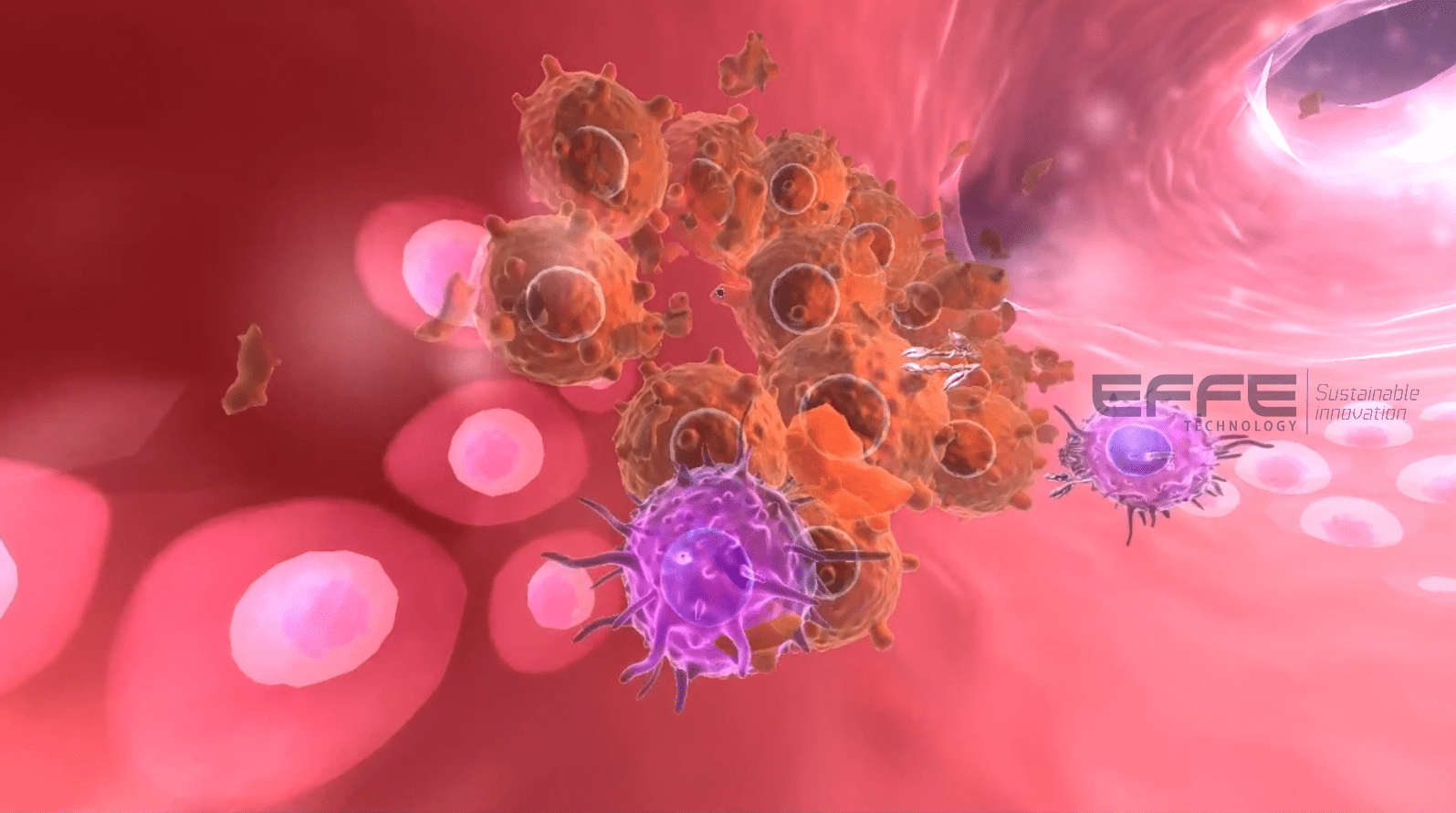
The immunotherapy VR simulation platform enables oncologists, MSLs, researchers, and clinical educators to visualize T-cell activation, PD-1/PD-L1 inhibition, CTLA-4 pathways, and tumor immune evasion mechanisms in real time—enhancing both scientific understanding and communication clarity.
Project Requirement
The client required a scientifically rigorous and scalable immunotherapy VR simulation solution capable of:
- Demonstrating immune checkpoint pathways in a 3D tumor microenvironment
- Delivering structured VR immunotherapy training modules for pharma and clinical teams
- Visualizing immune checkpoint activation VR mechanisms step-by-step
- Supporting medical affairs presentations and CME sessions
- Explaining drug mechanism of action (MOA) interactively
- Including assessment analytics for institutional performance tracking
The goal was to build a trusted immunotherapy VR simulation ecosystem that simplifies complex immuno-oncology concepts while maintaining regulatory and scientific credibility.
Project Planning
Our planning phase focused on molecular accuracy, regulatory compliance, and user engagement.
We collaborated with medical oncologists, immunologists, medical science liaisons, and drug development experts to validate each immune pathway included in the immunotherapy VR simulation. Every immune checkpoint activation VR sequence was reviewed against peer-reviewed literature and approved drug mechanisms.
Key planning initiatives included:
- Structuring progressive VR immunotherapy training modules
- Designing tumor microenvironment simulations with immune cell interactions
- Mapping PD-1/PD-L1 and CTLA-4 pathways with molecular-level precision
- Integrating drug-response visualization scenarios
- Building analytics dashboards for pharma training evaluation
This structured roadmap ensured the immunotherapy VR simulation platform aligned with pharma-grade standards and hospital education protocols.
Project Process & Execution
Using advanced 3D biomedical modeling tools, we developed a fully immersive immunotherapy VR simulation environment.
Inside the VR platform, users can:
- Explore the tumor microenvironment in 360° immersive mode
- Trigger immune checkpoint activation VR sequences step-by-step
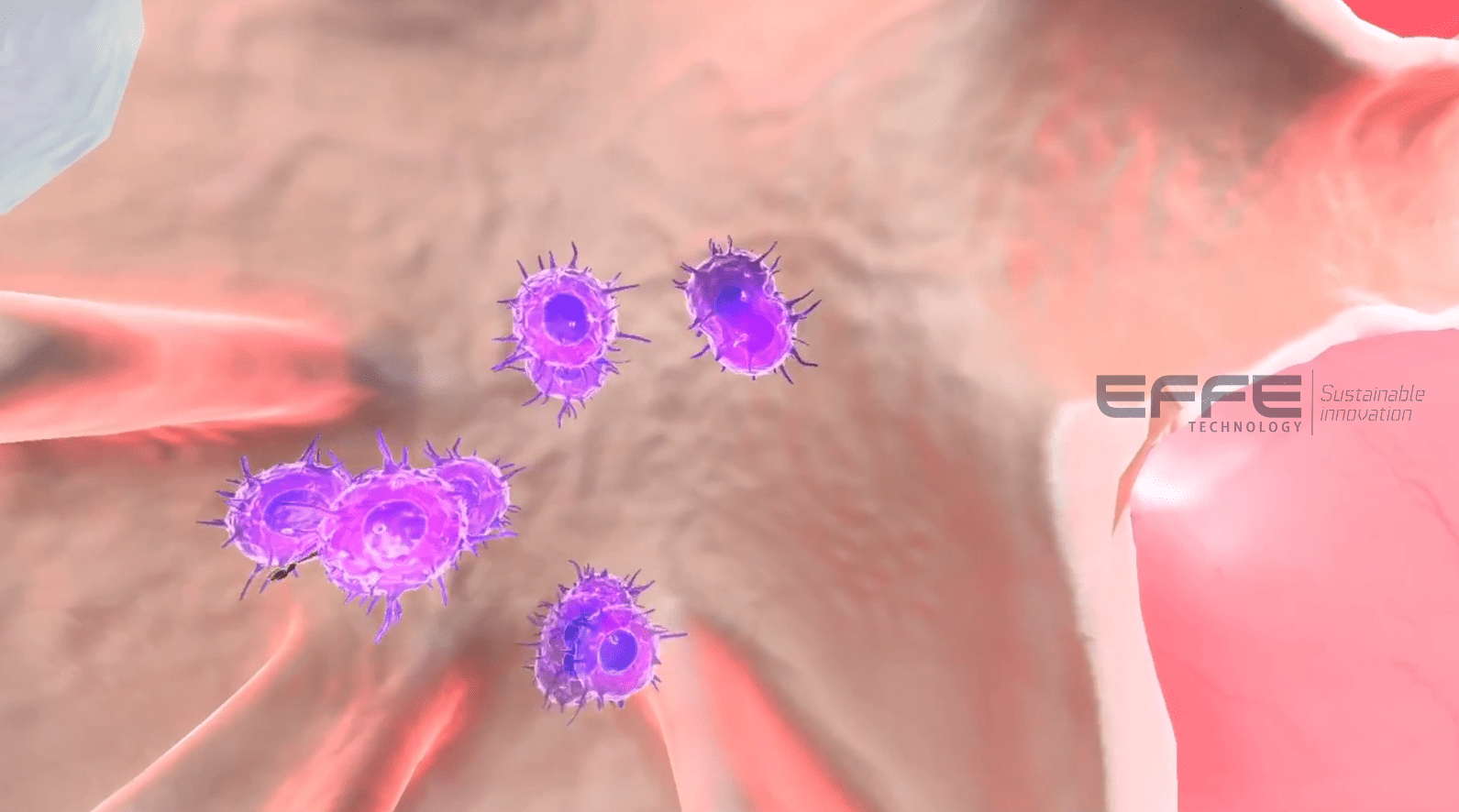
- Observe T-cell suppression and reactivation visually
- Compare untreated vs immunotherapy-treated scenarios
- Participate in guided VR immunotherapy training modules
- Simulate mechanism-of-action explanations for field presentations
Dynamic animations demonstrate how checkpoint inhibitors restore immune response, making the immunotherapy VR simulation a powerful tool for both academic and commercial education.
Integrated analytics track module completion, engagement metrics, and assessment performance—providing CMOs, oncology heads, and pharma L&D managers with measurable training outcomes.
Challenges & Learning
Scientific Precision:
Translating microscopic immune interactions into a visually intuitive immune checkpoint activation VR experience required multiple expert validation cycles.
Regulatory Alignment:
Ensuring that all VR immunotherapy training content complied with pharma communication standards strengthened institutional trust.
Balancing Depth & Accessibility:
The immunotherapy VR simulation needed to serve both oncology specialists and non-clinical pharma teams, requiring layered learning pathways.
Through expert collaboration and structured validation, we built a scientifically credible and user-friendly solution.
Client Deliverables
- Fully immersive immunotherapy VR simulation platform
- Structured VR immunotherapy training modules
- Interactive immune checkpoint activation VR visualizations
- Drug mechanism-of-action simulation tools
- Instructor & pharma dashboard with analytics
- Multi-user scalability for hospitals and pharma teams
- Deployment, onboarding, and ongoing technical support
Conclusion
The immunotherapy VR simulation platform transforms oncology education by combining scientific precision with immersive visualization. Through advanced VR immunotherapy training and interactive immune checkpoint activation VR, pharmaceutical companies and oncology institutions gain a scalable, measurable, and highly engaging training solution.
For pharma leaders, oncology departments, and research organizations, adopting immunotherapy VR simulation means investing in clearer scientific communication, stronger clinical confidence, and future-ready oncology education built on trust and credibility.