
Overview
A precise understanding of renal structure is essential for accurate diagnosis, dialysis planning, and transplant preparation. However, conventional textbooks and 2D diagrams often fail to deliver the spatial clarity required in modern nephrology training.
To address this gap, we developed a clinically validated kidney anatomy VR platform designed for hospitals, nephrology departments, dialysis centers, and medical universities. This immersive solution integrates a high-fidelity Internal structure of kidney 3D model with dynamic Nephron simulation, allowing learners to explore renal anatomy and physiology in an interactive, measurable environment.
The kidney anatomy VR platform empowers nephrologists, surgical residents, dialysis technicians, nursing students, and medical trainees to visualize renal layers, understand filtration dynamics, and build procedural confidence in a safe digital setting.
Project Requirement
The client required a scalable kidney anatomy VR solution capable of:
- Delivering a clinically accurate Internal structure of kidney 3D model
- Demonstrating detailed Nephron simulation including filtration and reabsorption
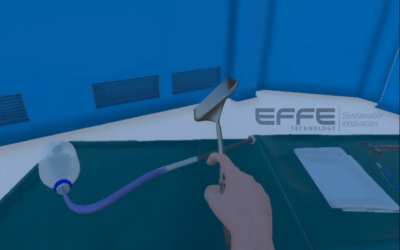
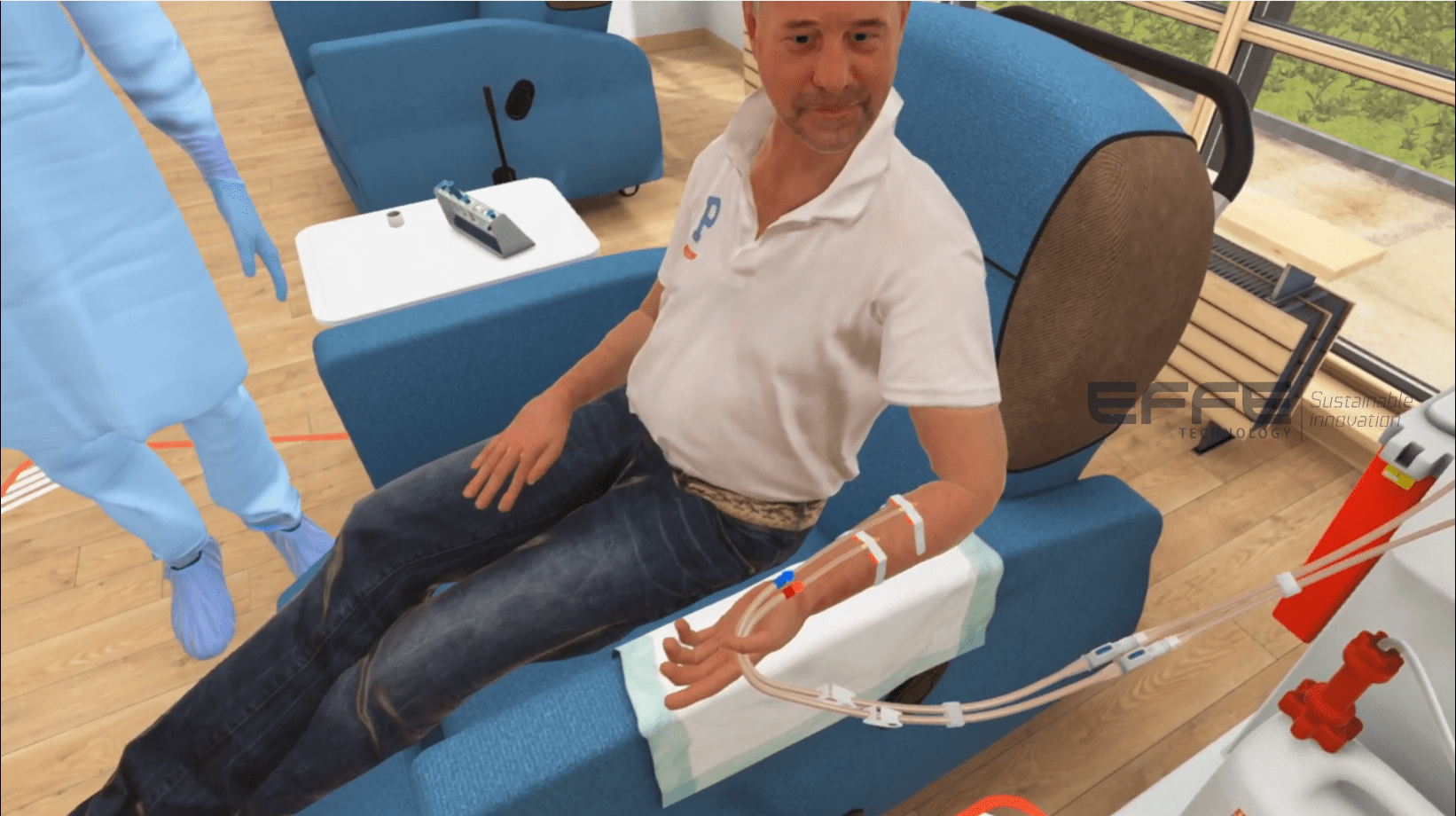
- Supporting dialysis workflow visualization and transplant anatomy mapping
- Providing structured modules for academic and hospital-based training
- Enabling pathology simulations (AKI, CKD, renal stones)
- Offering measurable analytics for institutional evaluation
The objective was to create a trusted kidney anatomy VR ecosystem that improves anatomical clarity while meeting hospital-grade education standards.
Project Planning
Our planning phase focused on anatomical precision, physiological accuracy, and institutional scalability.
We collaborated with nephrologists, urologists, transplant surgeons, and anatomy professors to validate every element of the Internal structure of kidney 3D model. The cortex, medulla, pyramids, calyces, renal pelvis, and vascular networks were mapped according to standard nephrology references.
Key planning initiatives included:
- Structuring progressive kidney anatomy VR learning modules
- Designing layered overlays inside the Internal structure of kidney 3D model
- Developing step-by-step Nephron simulation animations
- Integrating dialysis and transplant visualization scenarios
- Building instructor dashboards with assessment tracking
- Ensuring compatibility across VR systems in hospitals and universities
This structured roadmap ensured the kidney anatomy VR platform aligned with real-world nephrology workflows and academic curricula.
Project Process & Execution
Using advanced 3D reconstruction tools and medically validated datasets, we developed a fully immersive kidney anatomy VR environment.
Inside the platform, users can:
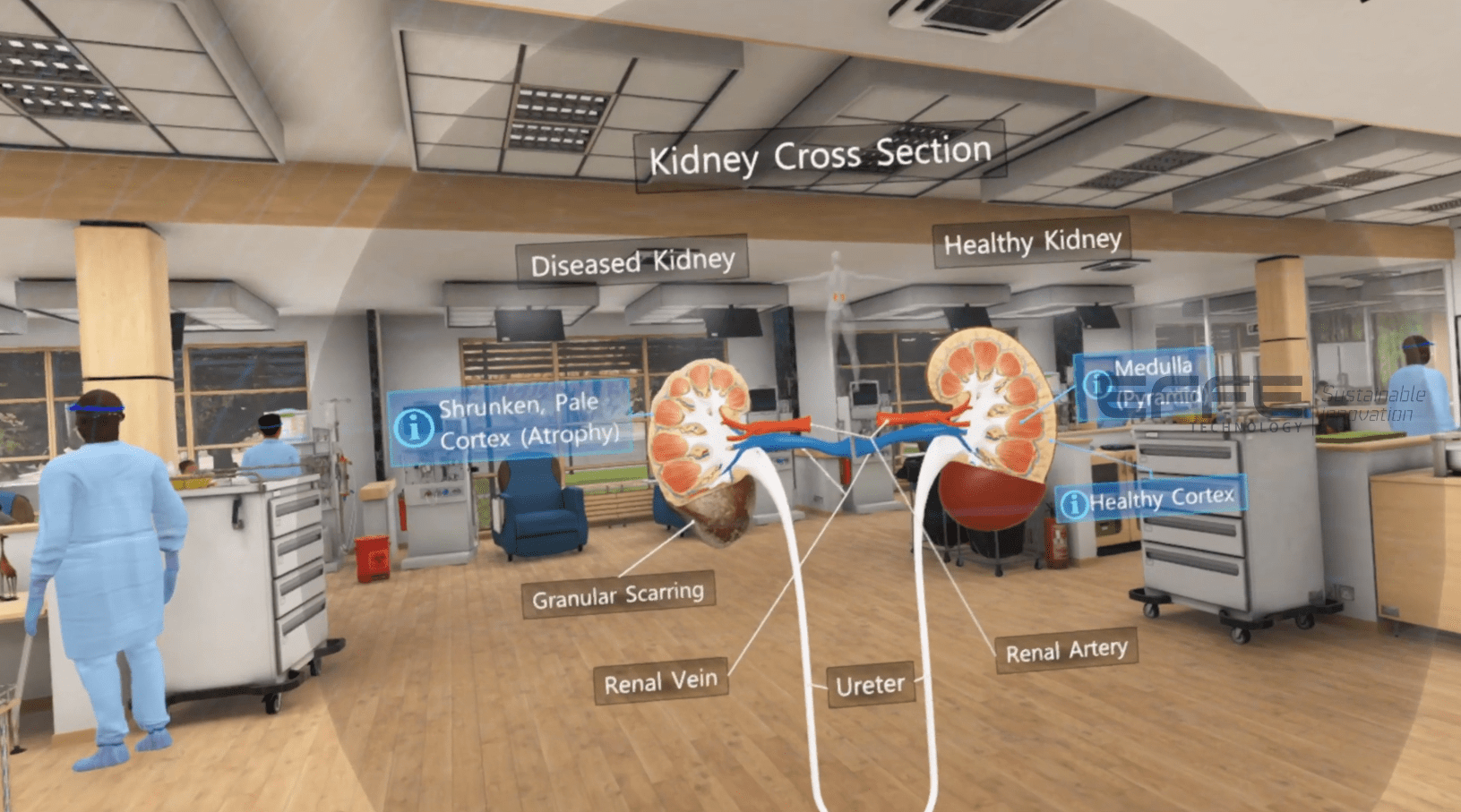
- Explore the Internal structure of kidney 3D model in 360° immersive space
- Zoom into renal corpuscles and observe detailed Nephron simulation
- Visualize glomerular filtration, tubular reabsorption, and secretion processes
- Understand electrolyte balance and fluid regulation mechanisms
- Compare healthy kidneys with pathological conditions
- Participate in guided instructor-led sessions
The kidney anatomy VR interface allows learners to rotate, isolate, and virtually dissect renal structures—significantly improving spatial memory and retention.
Integrated analytics measure module completion rates, engagement levels, and assessment performance, providing CMOs and department heads with actionable insights.
Challenges & Learning
Micro-Level Physiological Accuracy:
Replicating pressure gradients and microscopic structures within the Nephron simulation required multiple clinical validation cycles.
Balancing Depth with Usability:
While the Internal structure of kidney 3D model needed to be detailed for specialists, it also had to remain intuitive for nursing and allied health learners.
Institutional Trust:
Hospitals required evidence-based validation before adopting the kidney anatomy VR platform. Expert reviews and structured assessment tools strengthened credibility and long-term deployment.
Client Deliverables
- Fully immersive kidney anatomy VR platform
- High-resolution Internal structure of kidney 3D model
- Interactive Nephron simulation modules
- Dialysis and transplant visualization tools
- Instructor dashboard with analytics and reporting
- Multi-user scalability for hospitals and universities
- Deployment, onboarding, and technical support
Conclusion
The kidney anatomy VR platform transforms renal education by combining anatomical precision with immersive physiological simulation. Through a clinically validated Internal structure of kidney 3D model and dynamic Nephron simulation, institutions gain a scalable, measurable, and future-ready training solution.
For nephrology departments, dialysis centers, and medical universities, adopting kidney anatomy VR means investing in improved clinical understanding, enhanced procedural preparedness, and technology-driven healthcare excellence built on trust and precision.