
Overview
Understanding pulmonary blood flow dynamics is critical for diagnosing and managing respiratory and critical care conditions. However, traditional 2D diagrams and static cadaveric studies often fail to demonstrate real-time oxygenation processes and vascular interactions.
This case study highlights how we developed a clinically validated pulmonary circulation VR model designed for hospitals, pulmonology departments, respiratory therapy programs, and medical universities. By integrating immersive pulmonary anatomy VR, detailed lung structure VR simulation, and advanced virtual reality lung anatomy modules, we created an interactive ecosystem that bridges theoretical learning with practical clinical application.
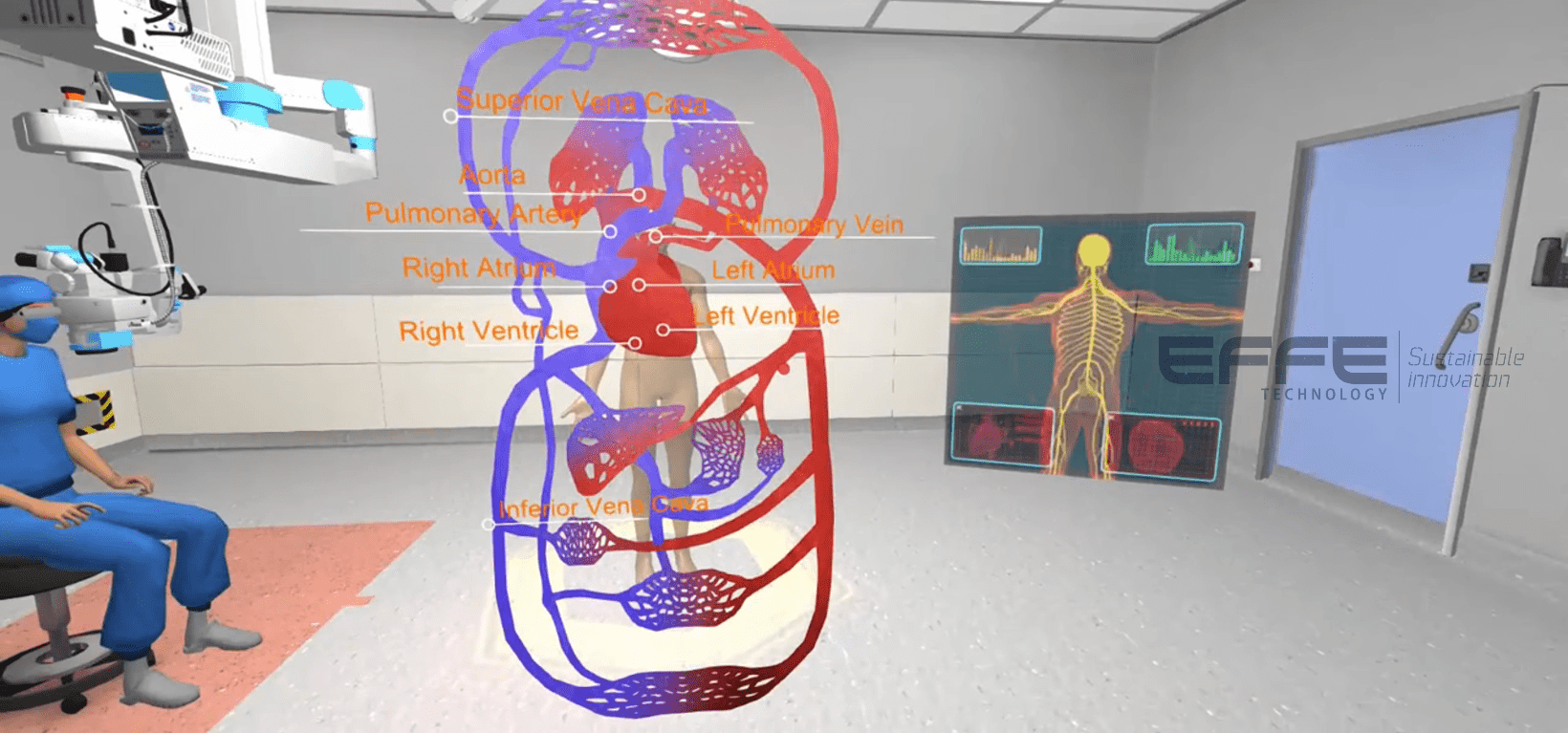
The pulmonary circulation VR model enables learners to visualize blood flow from the right ventricle to alveolar capillaries, observe oxygen-carbon dioxide exchange, and understand pathological conditions in a safe, repeatable environment.
Project Requirement
The client required an advanced pulmonary circulation VR model capable of:
- Demonstrating real-time pulmonary artery and vein blood flow
- Simulating oxygen exchange at the alveolar level
- Delivering immersive pulmonary anatomy VR exploration
- Creating a dynamic lung structure VR simulation for structural and functional learning
- Providing instructor-led modules for academic and simulation labs
- Supporting critical care case scenarios such as ARDS, pulmonary embolism, and pulmonary hypertension
The goal was to create a clinically reliable pulmonary circulation VR model that improves spatial understanding, enhances diagnostic confidence, and supports respiratory therapy training.
Project Planning
Our planning phase focused on anatomical precision, physiological accuracy, and institutional scalability. We collaborated with pulmonologists, ICU physicians, respiratory therapists, and medical educators to validate the medical framework.
Key planning strategies included:
- Structuring progressive learning modules around the pulmonary circulation VR model
- Designing layered pulmonary anatomy VR walkthroughs
- Building interactive virtual reality lung anatomy tools for vascular mapping
- Integrating pathology-based case simulations
- Ensuring compatibility across VR headsets and hospital IT infrastructure
This structured planning ensured the pulmonary circulation VR model aligned with academic standards and real-world clinical workflows.
Project Process & Execution
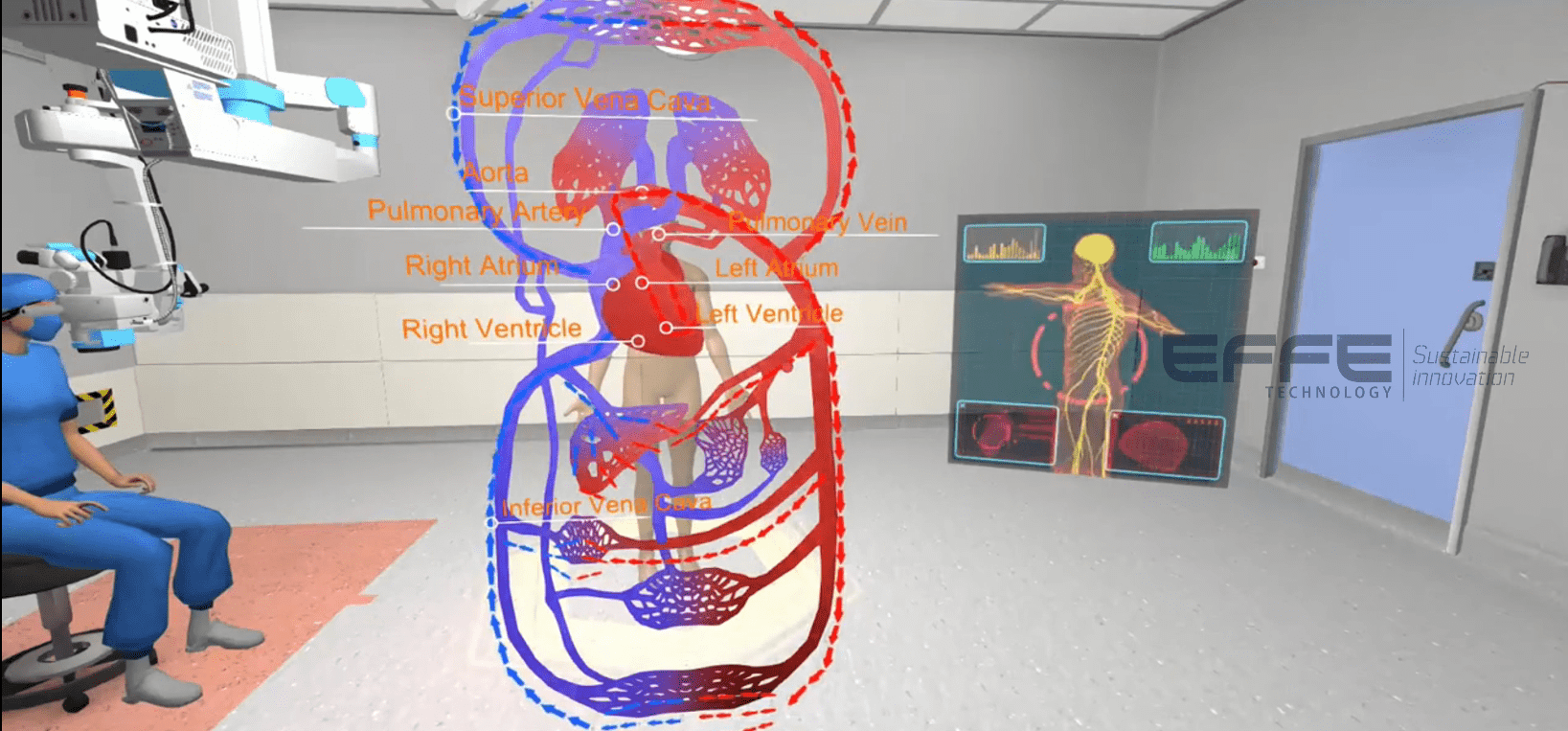
Using high-resolution CT imaging and 3D reconstruction technologies, we developed a highly detailed pulmonary circulation VR model that accurately represents lung vasculature, alveoli, bronchioles, and capillary networks.
Inside the platform, users can:
- Navigate immersive virtual reality lung anatomy in 360°
- Observe dynamic blood flow within the pulmonary circulation VR model
- Interact with layered pulmonary anatomy VR visualizations
- Isolate vascular structures in the lung structure VR simulation
- Compare normal physiology with pathological conditions
- Participate in instructor-led respiratory case discussions
The lung structure VR simulation enables learners to zoom, dissect, and rotate lung segments for deeper understanding. Meanwhile, the pulmonary anatomy VR environment allows clinicians to correlate structural abnormalities with functional outcomes.
Integrated analytics track learner progress, scenario performance, and assessment accuracy—helping clinical educators measure competency development.
Challenges & Learning
Physiological Accuracy: Simulating real-time oxygen exchange within the pulmonary circulation VR model required precise animation and expert validation.
Complex Vascular Mapping: Representing capillary-level flow in a virtual reality lung anatomy system demanded advanced rendering optimization.
User Diversity: The platform had to serve both pulmonologists and first-year medical students, requiring adaptive learning pathways.
These refinements strengthened trust, clinical accuracy, and long-term adoption across institutions.
Client Deliverables
- Fully immersive pulmonary circulation VR model platform
- Interactive pulmonary anatomy VR modules
- High-fidelity lung structure VR simulation tools
- Detailed virtual reality lung anatomy visualization system
- Pathology-based critical care training scenarios
- Multi-user instructor dashboard
- Performance analytics and assessment tracking
- Cross-device compatibility for hospitals and training centers
Conclusion
The pulmonary circulation VR model transforms how respiratory physiology and pathology are taught in hospitals and medical institutions. By combining immersive pulmonary anatomy VR, clinically accurate lung structure VR simulation, and interactive virtual reality lung anatomy, this solution enhances comprehension, retention, and clinical confidence.
For decision-makers, it represents a future-ready investment in respiratory education. For pulmonologists, ICU physicians, and students, it provides safe, repeatable, and measurable mastery of pulmonary circulation dynamics—building trust through precision, innovation, and measurable outcomes.