
Overview
Safety is the foundation of the energy and utilities sector. Power plants, substations, grids, renewable energy sites, and oil & gas infrastructure operate in high-risk environments where a single mistake can lead to serious injuries, outages, or large-scale operational losses. Traditional safety training methods—classroom sessions, manuals, and basic drills—are no longer enough to prepare teams for real-world hazards. This case study highlights how XR safety training simulations transformed safety readiness across power and utility operations.
By implementing XR safety training simulations, the client created immersive digital training environments where workers could experience high-risk scenarios in a safe, controlled, and realistic virtual space. Field teams, engineers, and operators were able to practice emergency responses, hazard identification, and safety procedures before entering real-world environments. Through XR safety training simulations, safety education shifted from theory to experience—building confidence, awareness, and trust. The platform strengthened workforce safety culture and positioned the organization as a leader in digital safety transformation.
Project Requirement
The client wanted to modernize safety training across power generation, transmission, and utility infrastructure. The goal was to replace fragmented training methods with a unified digital safety platform powered by XR safety training simulations.
Key requirements included:
- Enterprise-grade XR safety training simulations platform
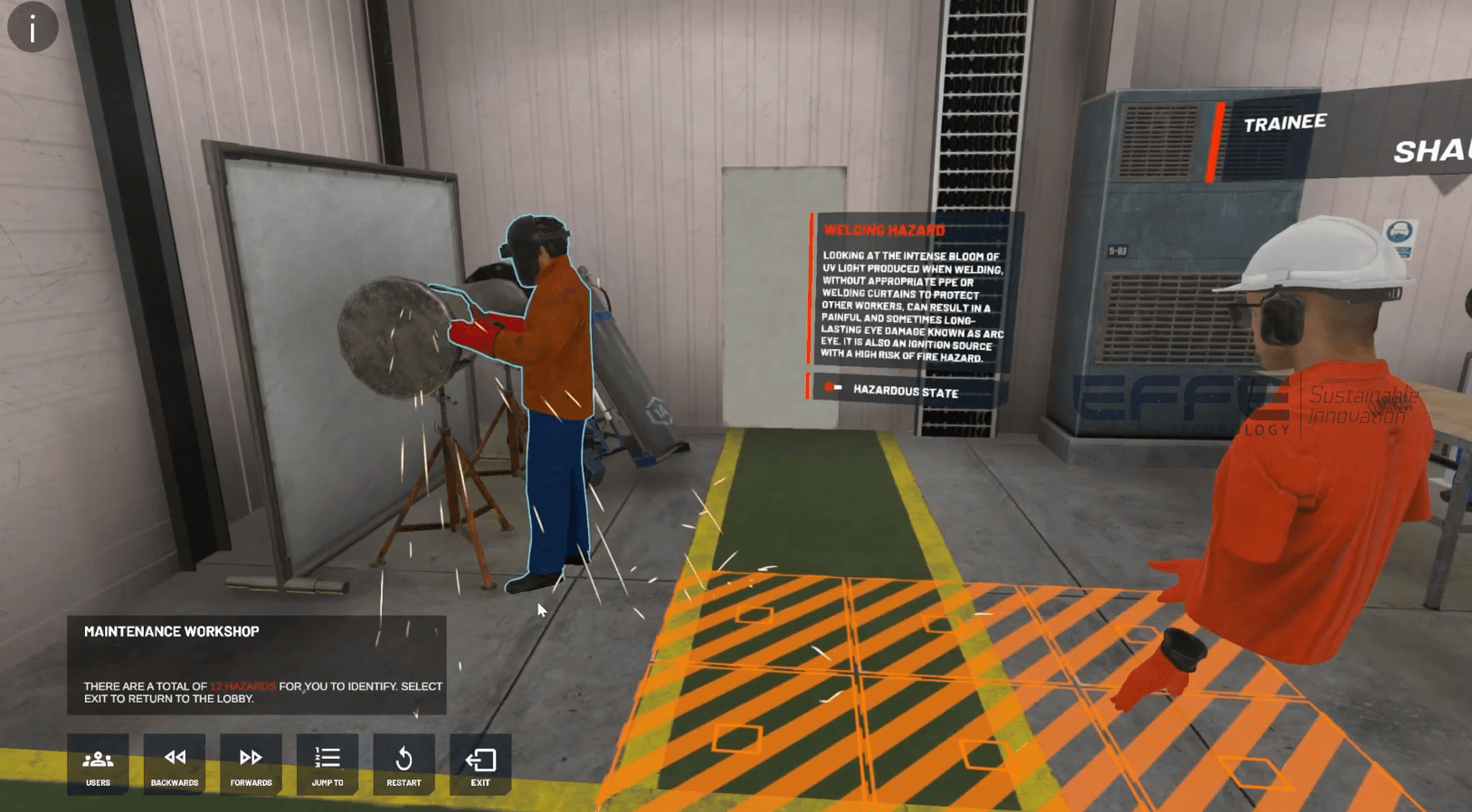
- Immersive hazard identification environments
- Emergency response and evacuation simulations
- Extended reality safety training modules for high-risk operations
- XR safety training for utilities across diverse infrastructure sites
- Scenario-based learning for real-world risks
- Multi-user collaborative safety training
- Secure and scalable digital infrastructure
The foundation of the project was trust, realism, safety compliance, and long-term reliability.
Project Planning
Planning focused on aligning immersive technology with real safety protocols, regulatory standards, and operational workflows. Safety officers, engineers, operations managers, and digital transformation leaders collaborated to design a system that would be practical, compliant, and easy to adopt.
Planning activities included:
- Risk scenario mapping
- Architecture design for XR safety training simulations
- Safety workflow modeling
- Integration of Extended reality safety training programs
- Scenario design for XR safety training for utilities
- Compliance and regulatory alignment
- Performance and scalability planning
This ensured the platform was not just innovative, but operationally dependable and enterprise-ready.
Project Process & Execution
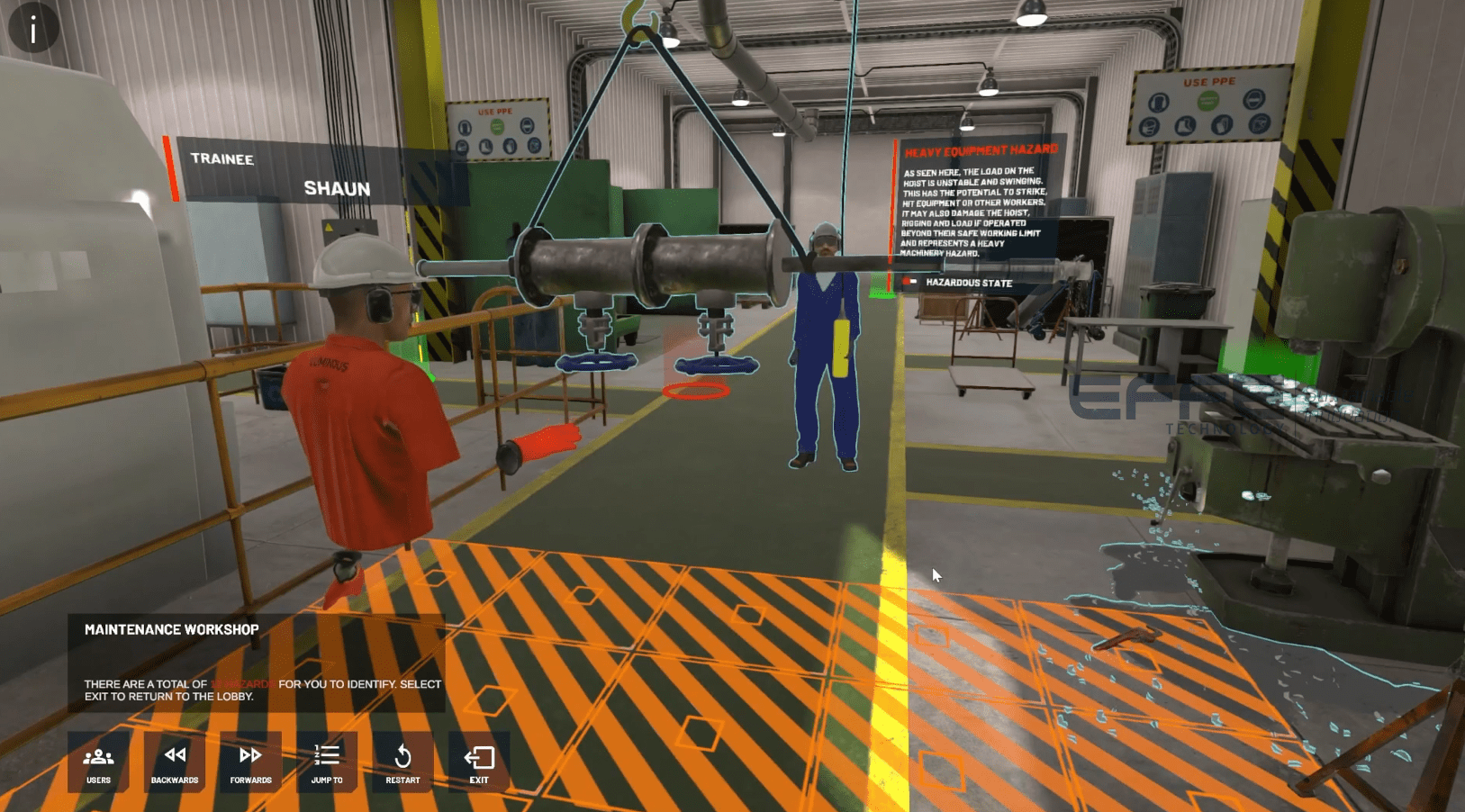
Execution began with the development of immersive 3D environments that replicated real utility infrastructure, including power stations, substations, renewable energy plants, and industrial sites. Advanced XR technologies were used to deploy XR safety training simulations across training centers and operational units.
Through the platform, users could:
- Experience realistic hazard scenarios
- Practice emergency response procedures
- Train in immersive risk environments
- Participate in Extended reality safety training programs
- Use XR safety training for utilities for site-specific risks
- Simulate accident prevention workflows
- Learn safety protocols through experiential training
The system unified safety education, risk awareness, and operational preparedness into one connected ecosystem. With XR safety training simulations, teams no longer learned safety as theory—they experienced it as reality, building deeper understanding and long-term behavioral change.
Challenges & Learning
- Realism: Accurate risk simulation was critical for trust
- User Adoption: Simple interfaces improved training acceptance
- Compliance: Regulatory alignment was essential
- Scalability: Training systems had to support large workforces
- Performance: High-quality simulations required optimization
These learnings strengthened the reliability and long-term value of the XR safety training simulations platform.
Client Deliverables
- Enterprise XR safety training simulations platform
- Immersive risk and hazard environments
- Extended reality safety training modules
- XR safety training for utilities programs
- Emergency response simulations
- Multi-user safety training systems
- Secure digital training infrastructure
- Scalable XR training architecture
Conclusion
This project demonstrates how XR safety training simulations are redefining safety culture in the power and utilities sector. By combining immersive environments, Extended reality safety training, and XR safety training for utilities, the platform delivers realistic, secure, and high-impact training experiences that organizations can trust.
Workforces gain confidence, awareness, and preparedness. Leaders gain visibility, compliance, and risk control. Organizations gain resilience, safety performance, and operational stability. With XR safety training simulations, safety training evolves from passive instruction into immersive, experience-driven learning—built on trust, technology, and long-term operational protection for the energy and utilities industry.