
Overview
Modern cities depend on complex infrastructure networks—roads, bridges, utilities, transport systems, and public services—that require constant monitoring and proactive maintenance. Traditional monitoring methods often rely on fragmented data, manual inspections, and delayed reporting, which increases risk, downtime, and operational costs. This case study showcases how an AI XR Infrastructure Monitoring System was implemented to transform smart city operations through real-time visibility, predictive insights, and immersive decision-making.
Designed for smart cities, municipal authorities, infrastructure agencies, and urban service departments, the solution demonstrates how an AI XR Infrastructure Monitoring System enables city leaders to visualize assets, track performance, and manage maintenance from a single intelligent platform. By combining AI analytics with immersive XR interfaces, stakeholders gained a unified, real-time view of urban infrastructure, enabling faster decisions, better coordination, and long-term infrastructure resilience.
Project Requirement
The client required a centralized system to monitor city infrastructure assets such as transportation networks, utilities, public facilities, and construction projects in real time. The key objective was to move from reactive maintenance to predictive, data-driven infrastructure management.
Core requirements included:
- Real-time monitoring of infrastructure assets across departments
- Predictive maintenance alerts using AI analytics
- Visual dashboards for decision-makers and field teams
- Integration with XR for construction monitoring to track live project progress
- Scalable architecture for long-term smart city expansion
- Unified control through an XR Infrastructure Management System
To achieve these goals, the project was built around a robust AI XR Infrastructure Monitoring System that connected live data streams with immersive visualization tools.
Project Planning
The planning phase focused on aligning digital infrastructure with real municipal workflows. Our team worked closely with urban planners, infrastructure managers, and operations teams to define critical monitoring points and decision flows.
Key planning activities included:
- Mapping city assets for Smart city infrastructure monitoring
- Defining predictive maintenance logic using AI models
- Structuring immersive XR interfaces for different user roles
- Designing data flows between IoT systems, AI engines, and XR visualization
- Planning integration of XR for construction monitoring for live site visibility
This ensured the AI XR Infrastructure Monitoring System was not just a technology layer, but a practical operational tool for daily infrastructure management.
Project Process & Execution
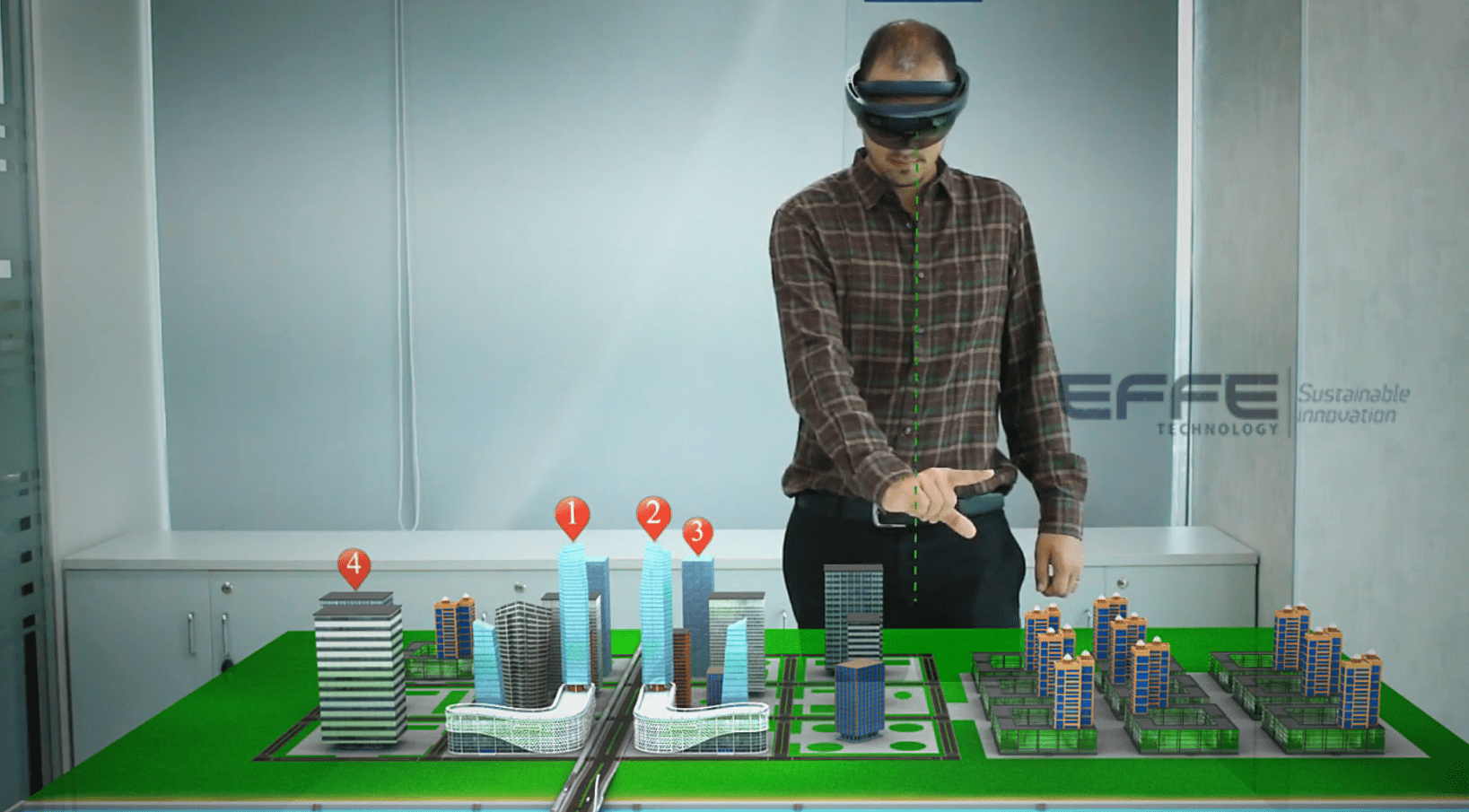
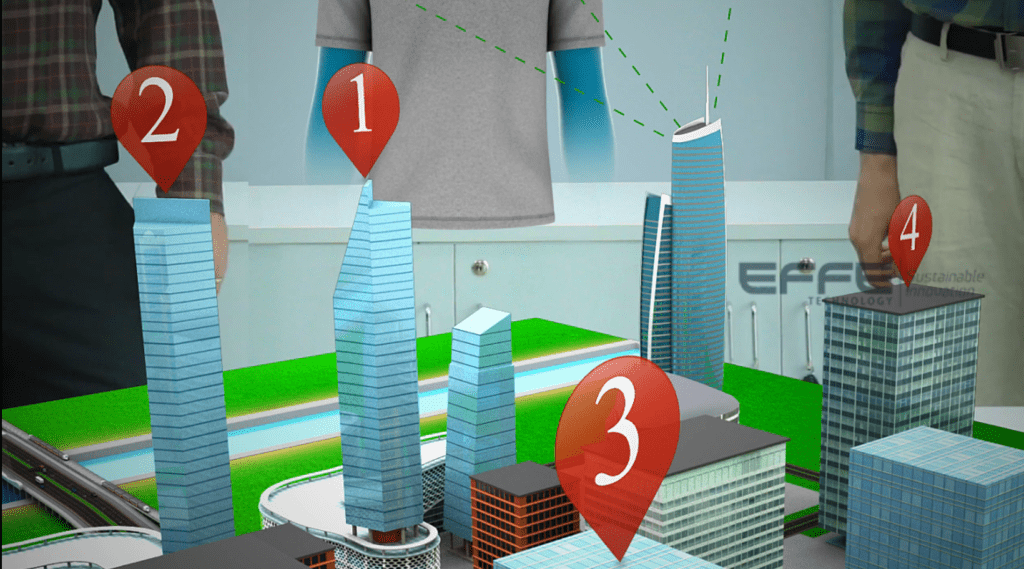
Execution began with integrating real-time data sources (IoT sensors, GIS systems, asset databases, and construction platforms) into a centralized AI engine. These data streams were then connected to immersive XR environments, enabling stakeholders to visualize infrastructure in real scale.
The AI XR Infrastructure Monitoring System enabled users to:
- View real-time asset conditions across the city
- Track infrastructure performance and risk levels
- Simulate failure scenarios and maintenance planning
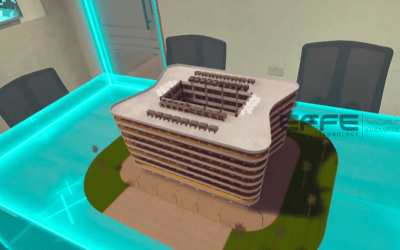
- Monitor live construction projects through XR for construction monitoring
- Coordinate operations using a unified XR Infrastructure Management System
Through Smart city infrastructure monitoring, city authorities could move from siloed dashboards to immersive, data-rich environments where planning, monitoring, and decision-making happened in one connected system. The result was faster response times, improved coordination, and better long-term infrastructure planning.
Challenges & Learning
Data Integration Complexity
Integrating multiple data sources required careful architecture planning. The learning was to standardize data early for scalability.
Performance Optimization
Balancing real-time AI processing with immersive XR performance was challenging. Optimization strategies became critical for system stability.
User Adoption
Municipal teams had varied technical familiarity. Intuitive interfaces improved adoption of the AI XR Infrastructure Monitoring System.
Operational Alignment
Technology had to match real workflows. Close collaboration ensured the system supported daily operations, not just visualization.
Client Deliverables
- Full-scale AI XR Infrastructure Monitoring System platform
- Real-time asset tracking and predictive maintenance dashboards
- Immersive XR interfaces for city operations teams
- Integrated XR for construction monitoring modules
- Centralized XR Infrastructure Management System
- Scalable digital infrastructure framework for future expansion
- Visualization tools for planning, reporting, and governance
Conclusion
This case study demonstrates how an AI XR Infrastructure Monitoring System can redefine smart city operations by combining real-time data, AI intelligence, and immersive XR visualization. Through Smart city infrastructure monitoring, municipal authorities gained clarity, control, and confidence in managing complex urban systems. By integrating XR for construction monitoring and a centralized XR Infrastructure Management System, the city achieved predictive maintenance, faster decision-making, and long-term infrastructure resilience.