
Overview
Safety incidents in manufacturing environments often stem from limited hazard awareness, delayed response, and traditional training methods that fail to replicate real-world risks. This case study explains how XR safety simulations were implemented to help manufacturing plants improve worker preparedness, reduce incidents, and strengthen safety culture across high-risk operations.
Designed for the manufacturing & industrial sector—including heavy engineering, automotive, process manufacturing, and energy plants—the solution demonstrates how immersive technologies can transform safety training from passive instruction into active, experience-based learning. By adopting XR safety simulations, organizations enabled workers to practice critical safety procedures in realistic virtual environments without exposing them to actual danger.
Project Requirement
The client required an advanced safety training solution that could address recurring safety gaps across plant operations. Traditional classroom sessions and static safety videos were not delivering sufficient engagement or retention.
Key requirements included:
- Simulating real manufacturing hazards without operational risk
- Improving worker awareness of high-risk scenarios
- Supporting scalable XR safety training for large workforces
- Ensuring compliance with safety and regulatory standards
- Enabling repeatable training for new and existing employees
The solution needed to be practical, easy to deploy, and aligned with daily manufacturing workflows.
Project Planning
The planning phase focused on identifying high-incident and high-risk areas within manufacturing plants. Safety officers, operations teams, and training managers collaborated to define scenarios where XR safety simulations could deliver the greatest impact.
Planning activities included:
- Mapping real accident-prone situations and near-miss scenarios
- Designing role-based safety experiences for operators and supervisors
- Structuring immersive training paths inspired by XR construction safety training methods
- Ensuring intuitive interaction for first-time XR users
This approach ensured that the simulations were not theoretical but directly relevant to on-site conditions.

Project Process & Execution
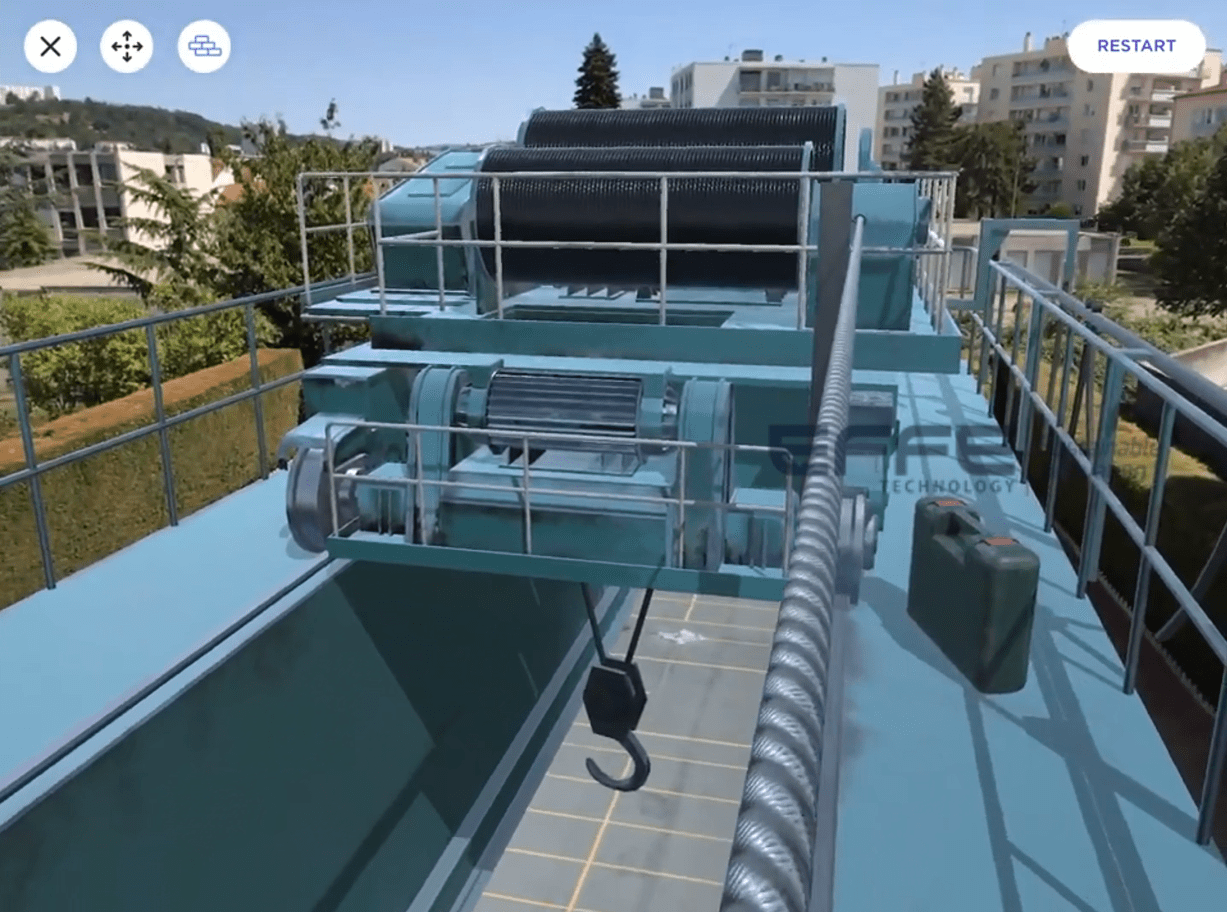
Execution began with translating real plant environments into immersive XR experiences. Using XR safety simulations, workers were placed inside virtual manufacturing settings where they could identify hazards, respond to emergencies, and practice correct safety procedures.
Key execution elements included:
- Realistic hazard simulations covering machinery, electrical risks, and material handling
- Step-by-step guided XR safety training modules
- Interactive decision-making scenarios with instant feedback
- Repeatable practice sessions to reinforce learning
Inspired by best practices from XR construction safety training, the simulations allowed employees to learn through experience rather than instruction. This significantly improved attention, understanding, and recall during safety programs.
Challenges & Learning
One of the key challenges was ensuring realism without overwhelming users. Overly complex simulations risked confusion, while oversimplification reduced impact.
Key learnings included:
- Simplicity improves adoption in XR safety simulations
- Repetition strengthens hazard recognition and response confidence
- Workers engage more when scenarios mirror real incidents
- Immersive safety training builds stronger emotional awareness than traditional methods
These insights helped refine the simulations into effective, scalable safety tools.
Client Deliverables
- Fully immersive XR safety simulations for manufacturing environments
- Role-based XR safety training modules for operators and supervisors
- High-risk scenario simulations aligned with compliance needs
- Scalable XR assets for onboarding and refresher programs
- Visual safety reports for internal audits and reviews
Conclusion
This case study demonstrates how XR safety simulations can fundamentally improve worker awareness and incident prevention in manufacturing plants. By allowing employees to experience risks safely, organizations strengthened preparedness, reduced human error, and built a proactive safety culture.
Through the strategic use of XR safety training and proven approaches adapted from XR construction safety training, the solution delivered measurable improvements in engagement and learning effectiveness. For manufacturing leaders seeking safer operations and better-trained teams, XR safety simulations provide a reliable, future-ready approach to industrial safety training.