
Overview
The client wanted to create a memorable digital experience that allows audiences to explore spaces and offerings without being physically present. To achieve this, we designed a VR 360 Brand Experience that delivers immersive storytelling, smooth navigation, and strong visual impact—making digital interaction feel almost as real as an in-person visit.
Client Overview
The client operates in a space where visual presentation, trust, and clarity play a major role in decision-making. Their audience includes customers, partners, and stakeholders who need to understand environments and offerings remotely. A solution similar to a VR 360 Real Estate Video approach was ideal to visually communicate scale, layout, and atmosphere in a short attention span.
The Problem
Static images, traditional videos, and brochures were not delivering enough engagement or emotional connection. The client struggled to keep viewers interested long enough to understand the value of their spaces and offerings. They needed an experience that could educate, impress, and guide users naturally—without explanation or sales pressure.
Project Requirements
Create an immersive, easy-to-navigate virtual experience
Ensure smooth viewing across web and VR devices
Present environments and products clearly
Support marketing, presentations, and digital campaigns
Deliver a future-ready visual solution
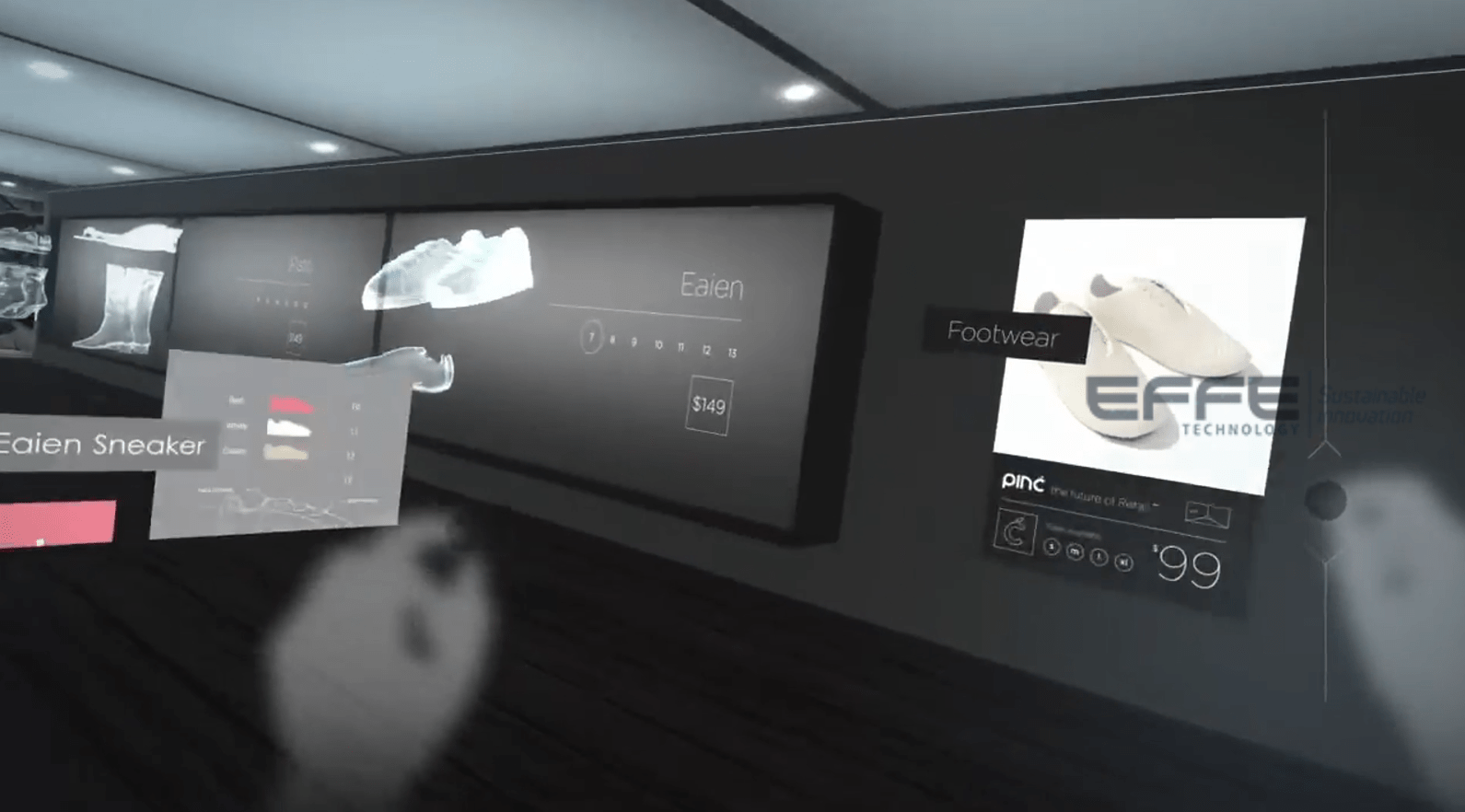
Strategy & Planning
We planned the experience around user behavior—how viewers explore, pause, and make decisions. The experience was structured as a VR 360 Brand Experience that flows naturally from one scene to another, helping users understand context, space, and value without confusion. Scene order, camera placement, and viewer comfort were finalized before production.
Process & Execution
High-resolution 360° capture was used to ensure realism and depth. Key zones and focal points were carefully selected and stitched into a seamless walkthrough. The final output also worked as a VR 360 Product Showcase, allowing viewers to explore offerings interactively rather than passively watching. The overall execution followed principles commonly used in premium VR 360 Real Estate Video productions—clean visuals, stable motion, and intuitive flow.
Challenges & Key Learnings
Managing lighting consistency across different areas
Avoiding viewer fatigue in longer immersive scenes
Balancing visual quality with fast loading time
Key learning: immersive content performs best when navigation is simple and storytelling is intentional.
Final Deliverables
A complete immersive virtual walkthrough
Web-ready and VR-device-compatible experience
Marketing-friendly version functioning as a VR 360 Product Showcase
A structured visual flow inspired by VR 360 Real Estate Video best practices
Results & Business Impact
Higher engagement time compared to traditional videos
Better understanding of spaces and offerings
Stronger brand recall during presentations and campaigns
A scalable asset usable across marketing channels
The project successfully positioned the client through a VR 360 Brand Experience that also supported sales and digital outreach while functioning as a VR 360 Product Showcase.
Conclusion
This project proves that immersive technology is no longer optional—it is a competitive advantage. By implementing a thoughtfully designed VR 360 Brand Experience, the client transformed passive viewers into active participants, improving clarity, engagement, and decision-making.