
Overview
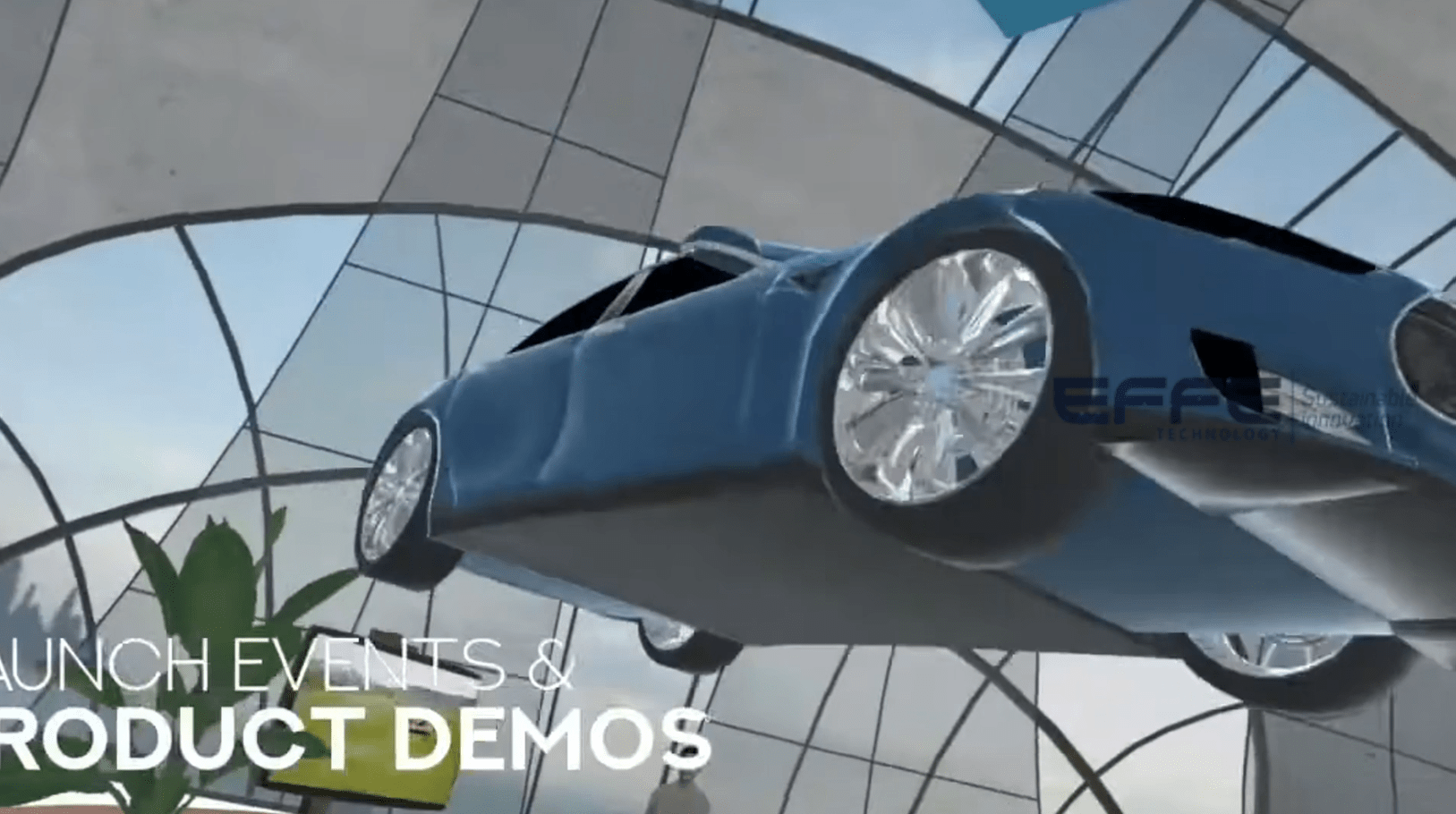
In today’s competitive event landscape, brands must do more than attract visitors—they must create memorable experiences that leave a lasting impression. This case study highlights how VR marketing for events was implemented to transform a traditional event presence into an immersive brand experience that significantly improved visitor engagement and brand recall.
Designed for the event marketing and experiential marketing industry, digital marketing agencies, and consumer brands, this solution demonstrates how virtual reality can elevate live events, product launches, and brand activations. By combining immersive storytelling with interactive technology, the campaign delivered meaningful engagement rather than passive viewing.
Project Requirement
The client wanted to stand out at a high-footfall event where multiple brands were competing for attention. Traditional booths and static displays were no longer effective. The requirement was to implement VR marketing for events that could attract visitors, keep them engaged longer, and create a strong emotional connection with the brand.
Key requirements included:
- An immersive event experience using VR
- High-quality VR content creation for marketing aligned with brand messaging
- Interactive storytelling to improve visitor participation
- Support for brand recall after the event
- Scalable VR advertising solutions for future events and campaigns
The solution needed to be intuitive, visually impressive, and suitable for diverse audiences.
Project Planning
The planning phase focused on understanding visitor behavior at live events and identifying moments where VR marketing for events could deliver maximum impact. The team mapped the visitor journey—from attraction to interaction and recall—and designed the VR experience accordingly.
Planning priorities included:
- Defining clear engagement goals for the event
- Structuring immersive storytelling using VR content creation for marketing
- Designing quick onboarding for first-time VR users
- Ensuring the experience aligned with broader VR advertising solutions used across digital campaigns
This strategic approach ensured the VR experience supported marketing objectives rather than functioning as a standalone novelty.
Project Process & Execution
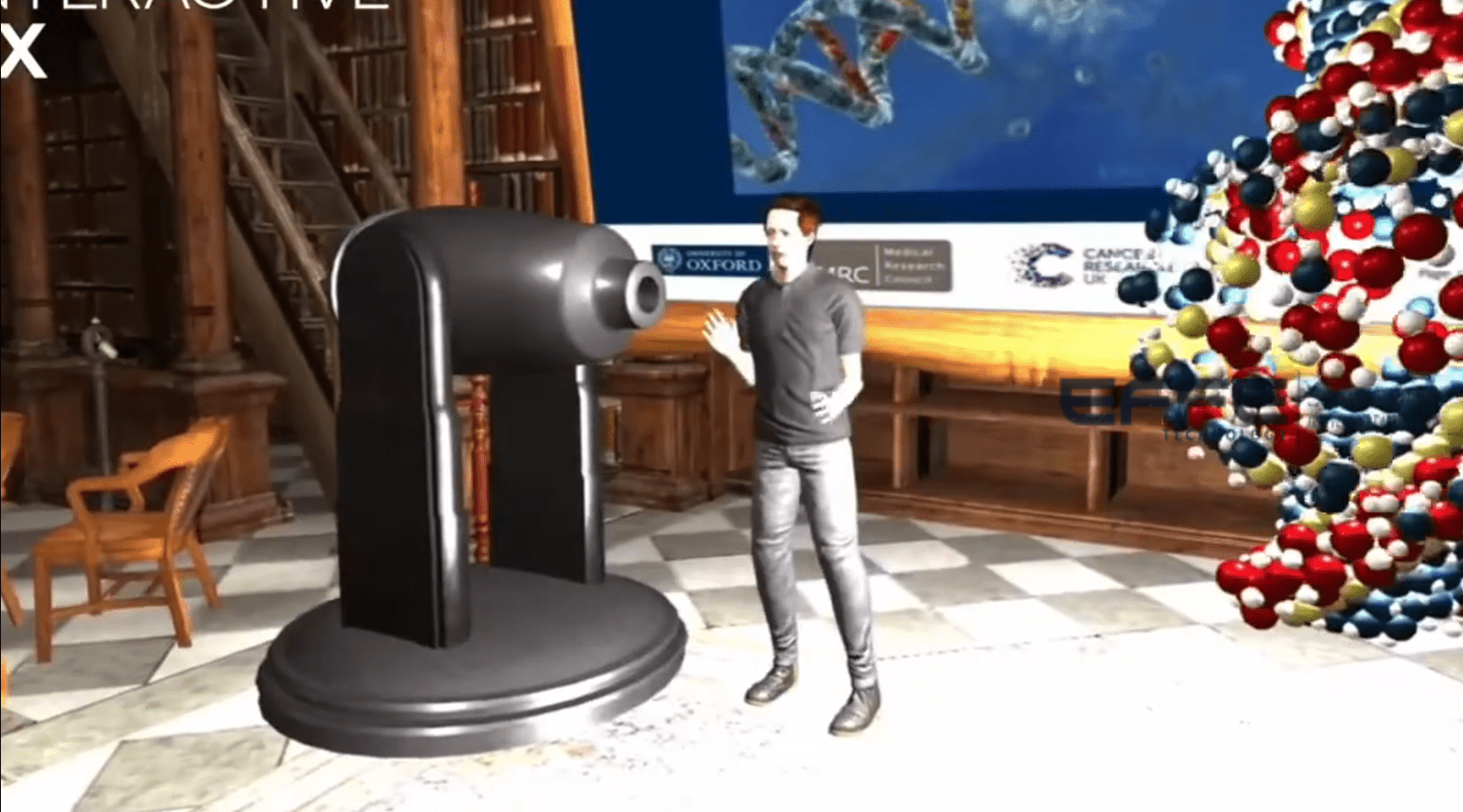
Execution began with developing immersive VR environments tailored to the brand’s event theme. Using proven VR content creation for marketing practices, the experience allowed visitors to explore, interact, and connect with the brand in a meaningful way.
Key execution elements included:
- Interactive VR experiences designed for live event environments
- Smooth performance to handle continuous visitor flow
- Visual storytelling aligned with event messaging
- Integration with VR advertising solutions for consistent brand communication
Through VR marketing for events, visitors spent more time at the booth, engaged actively with the content, and developed a stronger understanding of the brand’s offerings. The immersive format turned brief interactions into memorable experiences.
Challenges & Learning
One challenge was managing high visitor traffic while maintaining a smooth VR experience. Another was ensuring that users with no prior VR exposure could participate comfortably. The team learned that simplicity and guided interaction are essential for effective VR marketing for events.
Key learnings included:
- Short, focused VR experiences work best in event environments
- VR content creation for marketing must prioritize clarity over complexity
- Strategic VR advertising solutions deliver stronger engagement than experimental use
- Immersion increases recall when paired with clear brand messaging
These insights helped refine future event-based VR strategies.
Client Deliverables
- Fully immersive VR marketing for events experience
- High-quality VR assets supporting brand storytelling
- Interactive VR content suitable for multiple events
- Reusable VR advertising solutions for future campaigns
- Event-ready VR setup for seamless deployment
Conclusion
This case study demonstrates how VR marketing for events can transform live brand interactions into powerful engagement tools. By combining immersive experiences with strategic planning, the campaign delivered higher visitor engagement, stronger brand recall, and improved overall event performance.For brands exploring innovative event marketing approaches, this project shows how VR content creation for marketing and scalable VR advertising solutions can build trust, attract attention, and create lasting impressions in crowded event spaces.