
Overview
As construction projects grow in complexity, traditional BIM reviews using 2D screens and static models often fail to provide complete clarity. This case study demonstrates how VR construction technology was implemented to transform real-time BIM reviews into an immersive, collaborative experience that improved design accuracy and decision-making across multiple stakeholders.
Designed for the construction & infrastructure industry, industrial project developers, and AEP firms, this solution highlights how immersive VR environments enable teams to understand designs better, identify issues earlier, and move forward with confidence.
Project Requirement
The client required an advanced VR construction technology solution that could integrate BIM models into a real-time immersive environment. The primary goal was to enable project teams to review complex architectural, structural, and MEP systems together using virtual design and construction workflows.
Key requirements included:
- Real-time BIM model visualization in VR
- Immersive walkthroughs for design coordination
- Multi-stakeholder collaboration support
- Accurate scale representation for VR-based construction planning
- A solution scalable for future projects and evolving design needs
Project Planning
The planning phase focused on aligning BIM data with immersive workflows commonly used in construction projects. The VR environment was structured to support real-world review meetings, coordination sessions, and design validation discussions.
Planning considerations included:
- Identifying critical BIM review stages where VR construction technology adds maximum value
- Optimizing models for smooth performance in immersive VR construction technology
- Defining intuitive navigation paths for architects, engineers, and project managers
- Preparing a flexible framework to support long-term virtual design and construction adoption
This ensured the solution was practical, intuitive, and aligned with real project decision-making needs.
Project Process & Execution
The execution began by converting detailed BIM models into VR-optimized assets without compromising engineering accuracy. Architectural, structural, and MEP elements were carefully reviewed and refined to ensure reliable real-time performance.
The VR construction technology experience enabled users to:
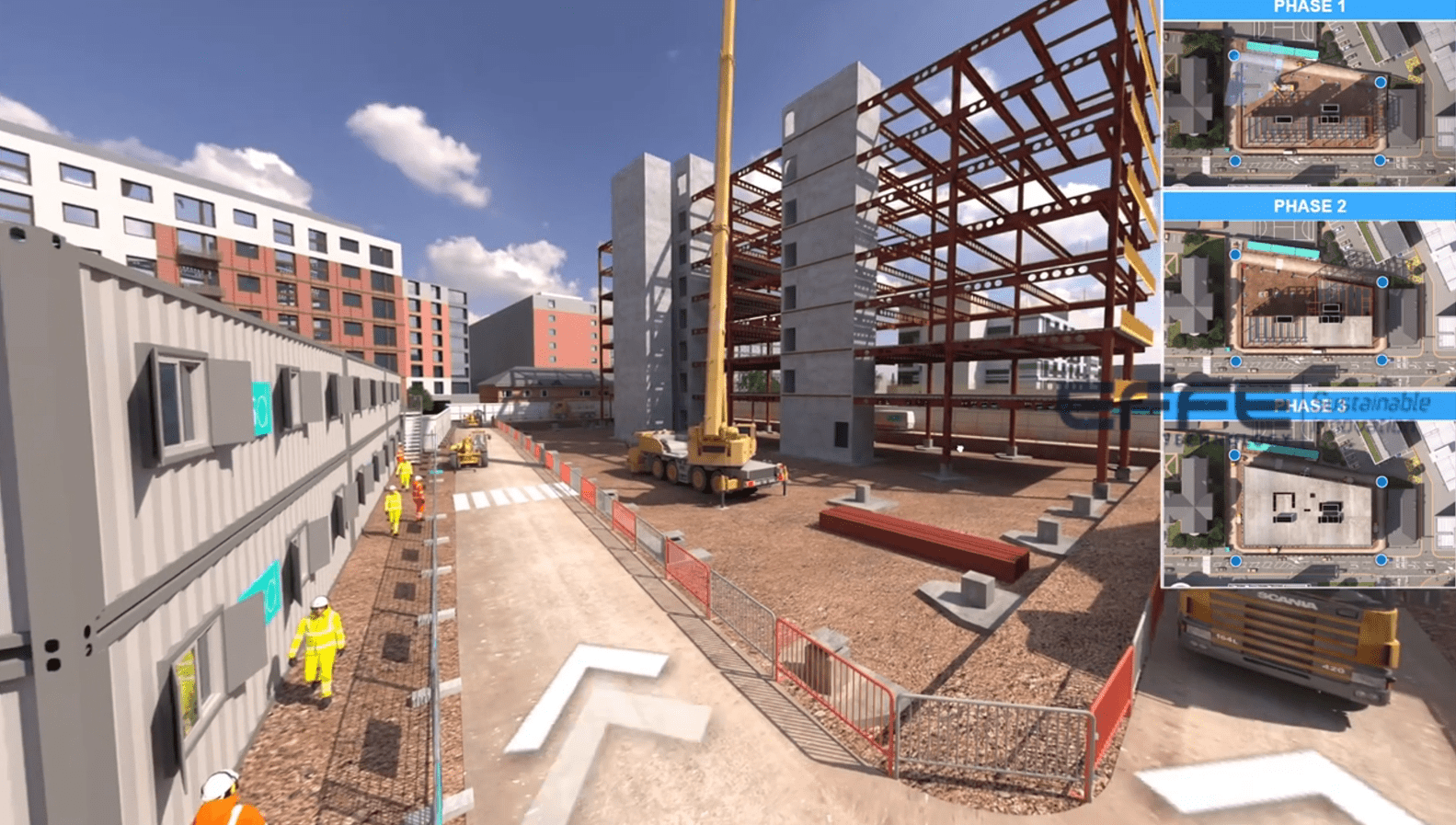
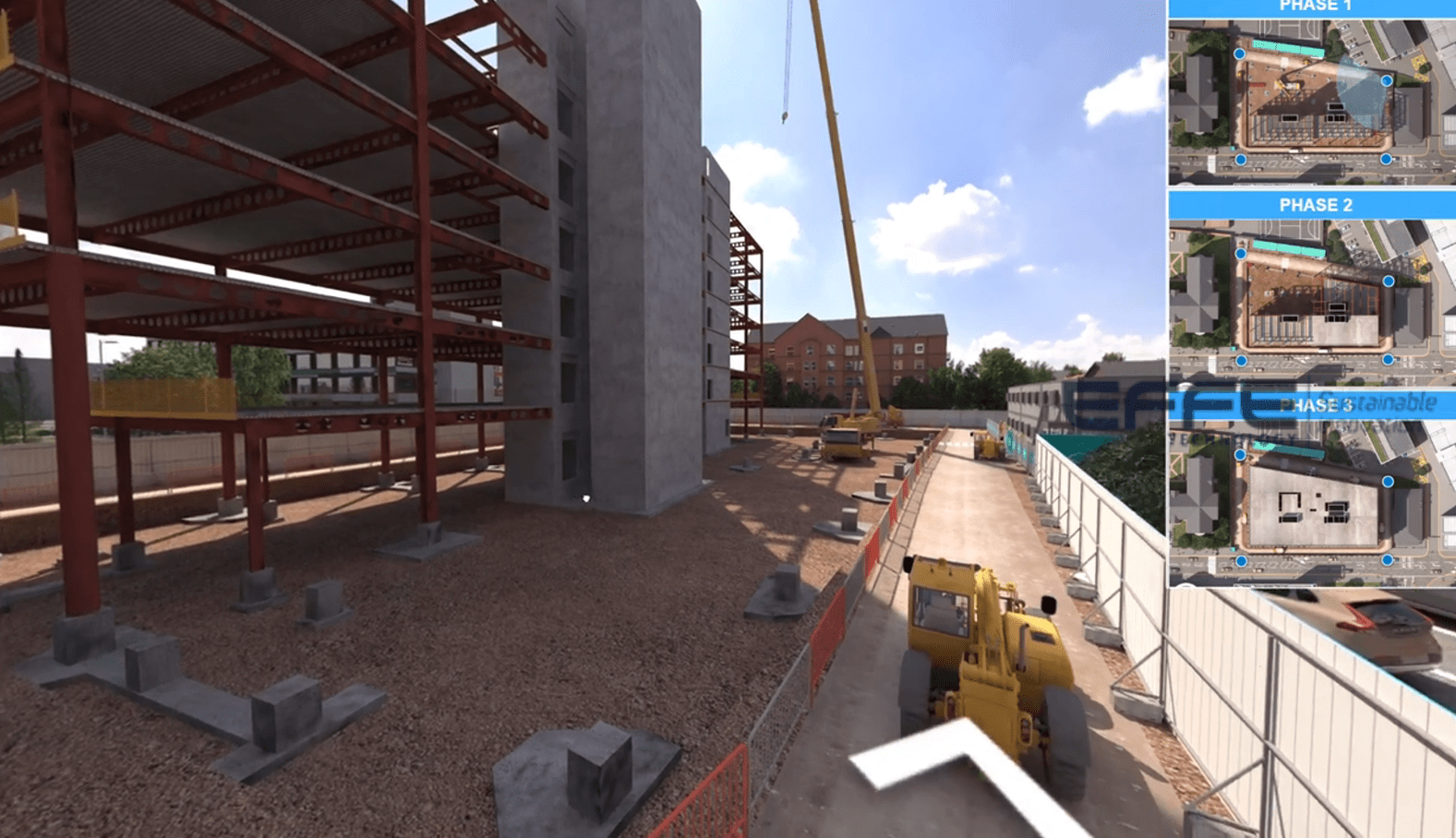
- Walk through the building at real scale
- Inspect BIM elements from any angle
- Conduct live review sessions inside the virtual model
- Identify clashes and design inconsistencies early
By reviewing designs in a shared immersive space, stakeholders could collaborate more effectively than with traditional screen-based BIM reviews. This approach demonstrated the real-world impact of immersive VR construction technology in improving coordination and design confidence.
Challenges & Learning
Managing Large BIM Data Sets
Handling complex BIM files in VR required careful optimization. Early asset planning proved essential for scalable VR construction technology.
Cross-Discipline Coordination
Architects, engineers, and planners had different review priorities. Structuring VR navigation by role improved collaboration within virtual design and construction workflows.
Balancing Accuracy and Performance
Maintaining engineering precision while ensuring smooth VR performance was a key challenge and reinforced the importance of optimization best practices.
User Adoption
Some stakeholders were new to VR. Simple controls and guided walkthroughs significantly improved usability and acceptance of the immersive review process.
Client Deliverables
- A complete VR construction technology experience for real-time BIM review
- High-resolution, VR-optimized BIM models
- Interactive walkthroughs supporting virtual design and construction workflows
- Scalable VR assets for future projects and design updates
- Visual outputs suitable for internal reviews and client presentations
Conclusion
This case study highlights how VR construction technology can redefine BIM reviews by turning complex data into an immersive, shared experience. By enabling real-time collaboration, improving spatial understanding, and reducing design conflicts early, the solution delivered measurable value across planning and coordination stages.
For organizations adopting modern construction workflows, this project demonstrates how VR construction, immersive VR construction technology, and virtual design and construction can be seamlessly integrated into existing processes to support better decisions and stronger project outcomes.