
Overview
In today’s competitive real estate market, static property listings and traditional brochures are no longer enough to capture buyer attention or drive confident decisions. This case study highlights how an AR marketing strategy was implemented to help a real estate brand transform conventional property marketing into interactive, high-impact digital experiences.
Designed for residential and commercial real estate developers, brokerage firms, and PropTech companies, this solution demonstrates how AR marketing for real estate can bridge the gap between imagination and reality. By allowing buyers to visualize properties in their real environment, the brand significantly improved engagement, lead quality, and buyer confidence across sales channels.
Project Requirement
The client wanted to modernize their property marketing approach and reduce dependency on physical site visits and static visuals. Their key requirement was to implement an AR marketing strategy that could present properties more clearly, especially for under-construction and pre-launch projects.
The solution needed to:
- Convert static listings into interactive AR experiences
- Improve buyer understanding of layouts, scale, and design
- Support both on-site sales teams and remote buyers
- Increase engagement and dwell time on property listings
- Enable scalable AR content creation for marketing across multiple projects
The goal was to enhance marketing performance while supporting sales teams with stronger visual tools.
Project Planning
The planning phase focused on aligning the AR marketing strategy with real estate buyer behavior and sales workflows. Audience analysis revealed that buyers wanted more clarity, realism, and flexibility before booking site visits.
Key planning considerations included:
- Identifying touchpoints where AR marketing for real estate could influence decisions
- Selecting AR formats suitable for mobile devices and on-site demos
- Structuring AR experiences to highlight key selling points
- Designing reusable frameworks for long-term AR content creation for marketing
This ensured the AR solution was practical, easy to adopt, and aligned with real-world marketing goals.
Project Process & Execution
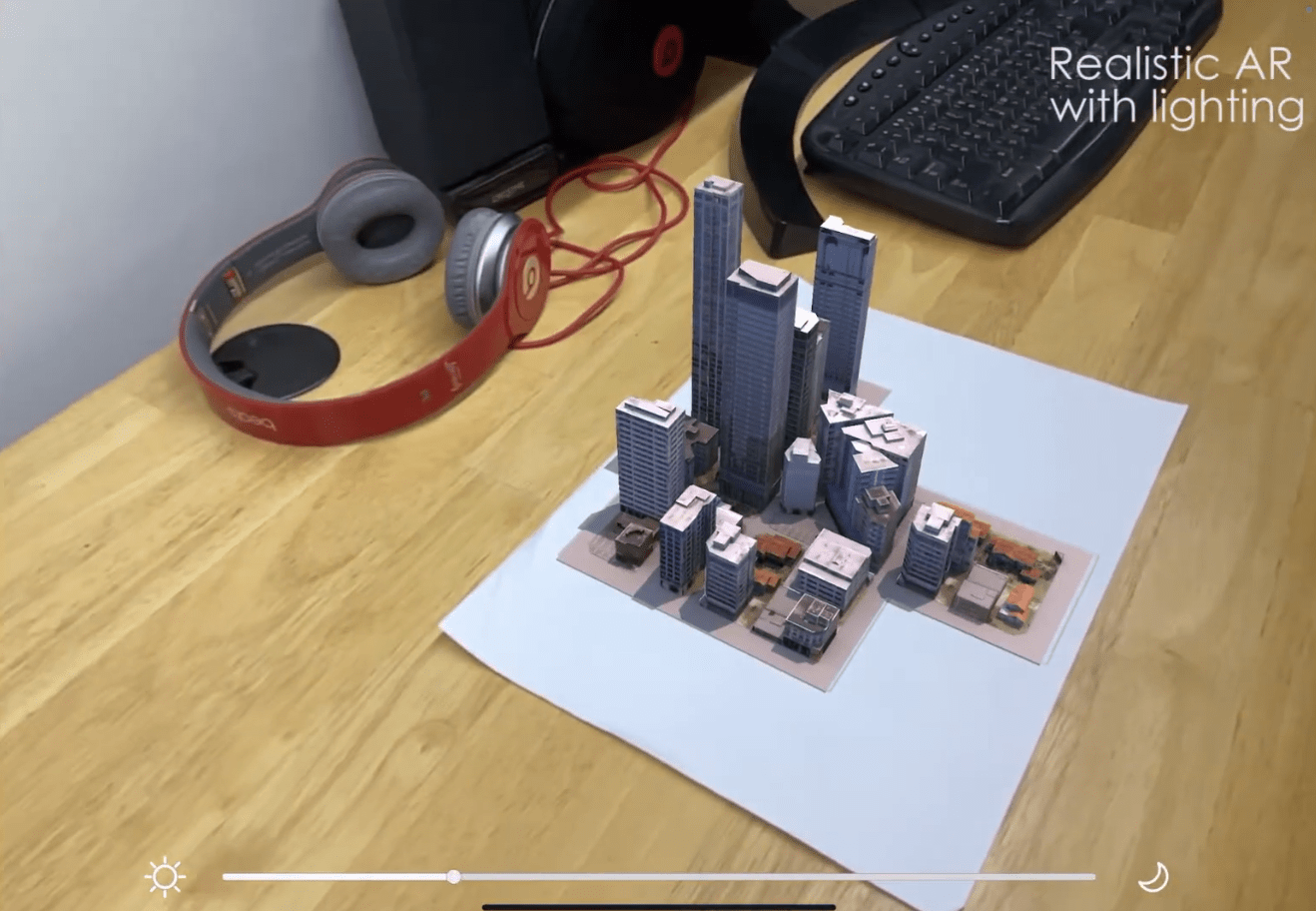
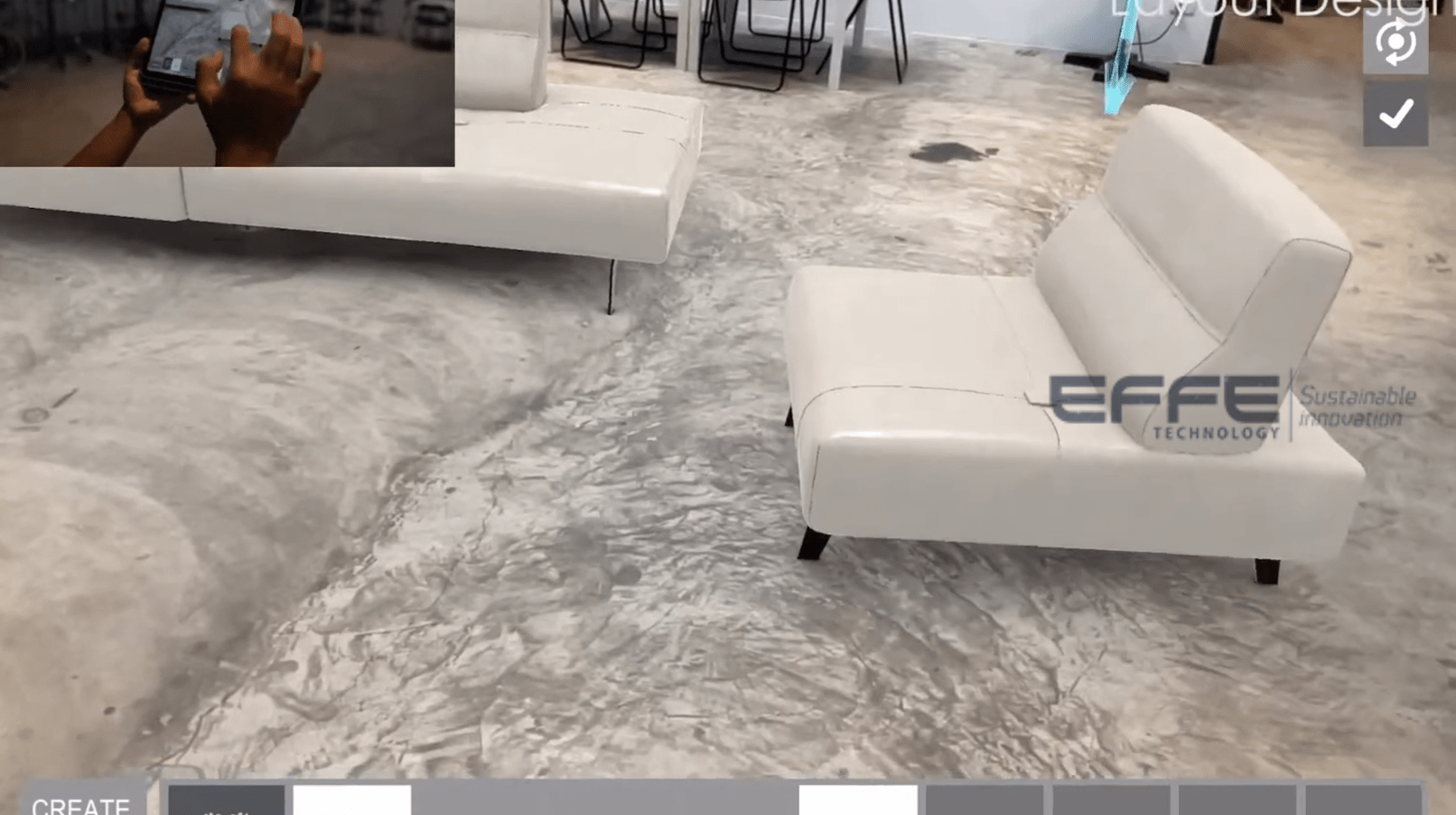
Execution began with converting architectural drawings and 3D models into AR-ready assets optimized for performance and realism. Using a structured AR marketing strategy, the team developed interactive property visualizations that allowed users to explore units, interiors, and layouts in real scale.
The AR experience enabled users to:
- Visualize properties in their physical surroundings
- Explore layouts interactively rather than through static images
- Understand space flow, dimensions, and design elements
- Engage more deeply with listings through guided AR interactions
By applying AR marketing for real estate, the brand transformed property discovery into an engaging experience. Strategic AR content creation for marketing ensured consistent quality across campaigns and platforms.
Challenges & Learning
One challenge was balancing visual detail with smooth performance on mobile devices. Optimizing assets early proved essential for a successful AR marketing strategy. Another challenge was designing experiences intuitive enough for first-time AR users.
Key learnings included:
- Simplicity improves adoption in AR campaigns
- Buyers engage longer when they control exploration
- AR marketing for real estate works best when focused on clarity, not complexity
- Scalable AR content creation for marketing reduces long-term costs
These insights helped refine the overall solution and improve results.
Client Deliverables
- Interactive AR property experiences for marketing and sales
- Mobile-ready AR assets optimized for real estate use cases
- Scalable AR frameworks for future projects
- Visual marketing outputs for digital campaigns and on-site presentations
Conclusion
This case study demonstrates how a well-executed AR marketing strategy can transform real estate marketing from static promotion into immersive, trust-building experiences. By using AR marketing for real estate and structured AR content creation for marketing, the brand improved engagement, buyer confidence, and sales effectiveness.