
Overview
Medical education is evolving rapidly, with an increasing need for immersive, interactive, and precise learning experiences. Traditional anatomy teaching methods, such as textbooks, cadaver dissection, and lectures, are often limited in scope, accessibility, and engagement. This case study highlights how VR human body simulation transformed anatomy education by providing medical students, trainees, and educators with realistic, interactive, and safe digital learning environments.
By implementing VR human body simulation, the client enabled learners to explore complex anatomical structures, internal organs, and physiological processes in immersive 3D environments. Students could dissect, rotate, and interact with virtual human models, gaining a level of understanding impossible through conventional methods. The platform enhanced learning outcomes, accelerated comprehension, and built confidence among trainees while positioning the institution as a leader in advanced medical VR anatomy training.
Project Requirement
The client’s goal was to modernize anatomy education by creating a unified VR platform that combined realism, interactivity, and scalability. The platform needed to deliver safe, repeatable, and fully immersive anatomy experiences for a wide range of learners and educators.
Key requirements included:
- Enterprise-grade VR human body simulation platform
- Interactive 3D models of human anatomy
- Modules for medical VR anatomy training
- Anatomy visualization in VR for complex organ systems
- Multi-user collaborative sessions for group learning
- Cross-device compatibility (VR headsets, desktop, tablets)
- Secure and scalable digital infrastructure
- Curriculum-aligned content for diverse medical courses
The foundation of the project was accuracy, realism, accessibility, and long-term usability.
Project Planning
Planning focused on aligning VR human body simulation with medical curricula, learning outcomes, and training workflows. Educators, VR developers, instructional designers, and medical experts collaborated to ensure the platform was practical, pedagogically effective, and technically robust.
Planning activities included:
- Anatomical structure mapping for VR modeling
- Architecture design for immersive VR human body simulation
- Integration of medical VR anatomy training modules
- Scenario planning for interactive anatomy visualization in VR
- Performance, scalability, and multi-user planning
- Compliance with educational standards and content accuracy
This structured planning ensured the VR solution was not only engaging but also academically and operationally reliable.
Project Process & Execution
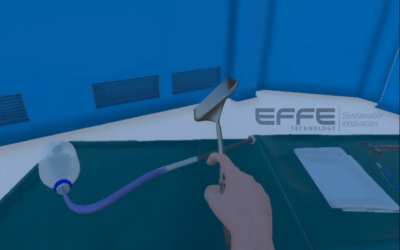
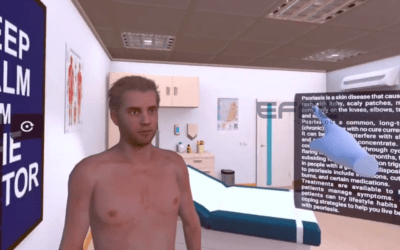
Execution involved developing high-fidelity 3D human models, interactive organs, and layered physiological systems. Advanced VR technologies were used to deploy VR human body simulation across classrooms, labs, and remote learning platforms.
Through the platform, users could:
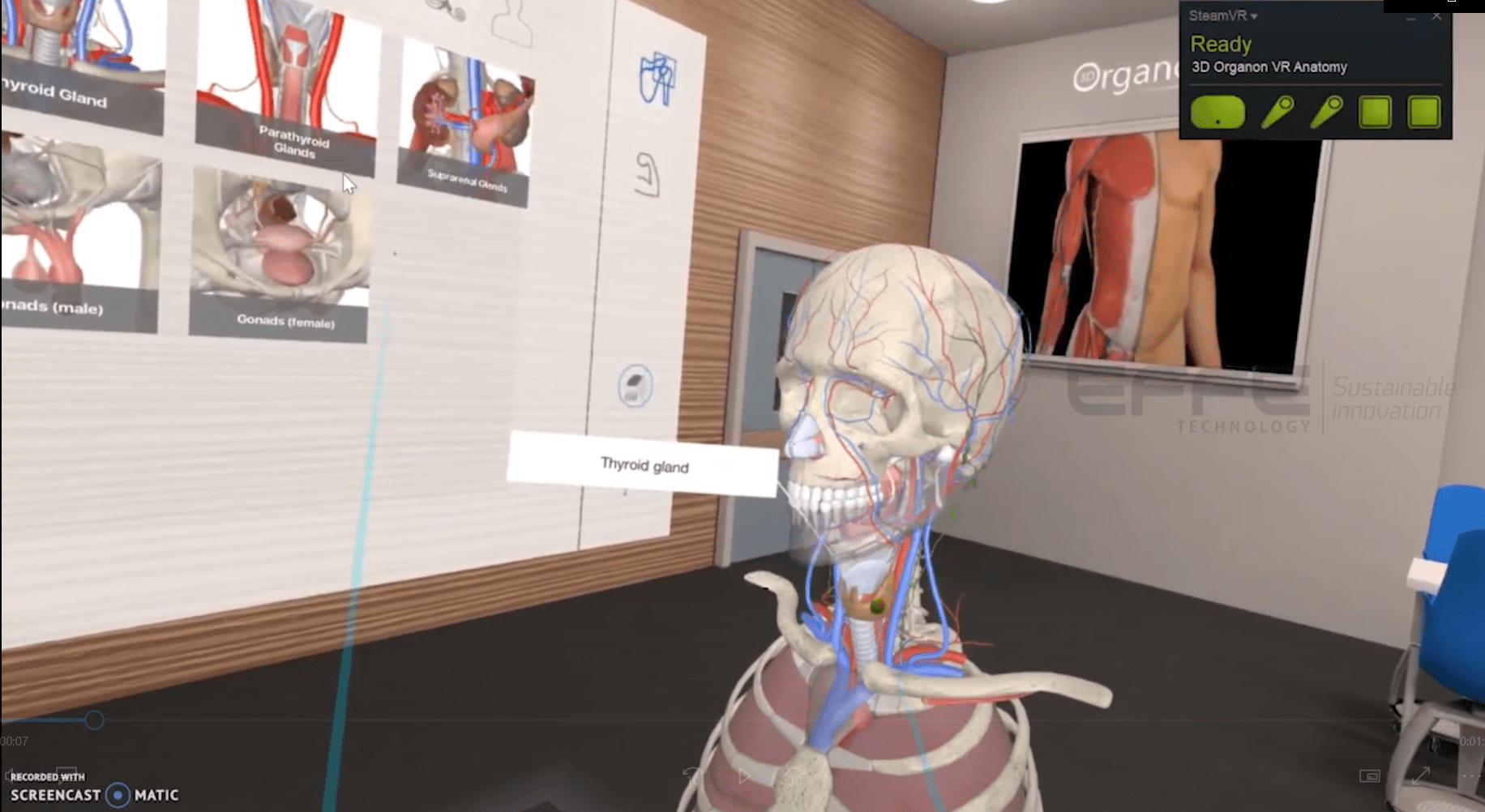
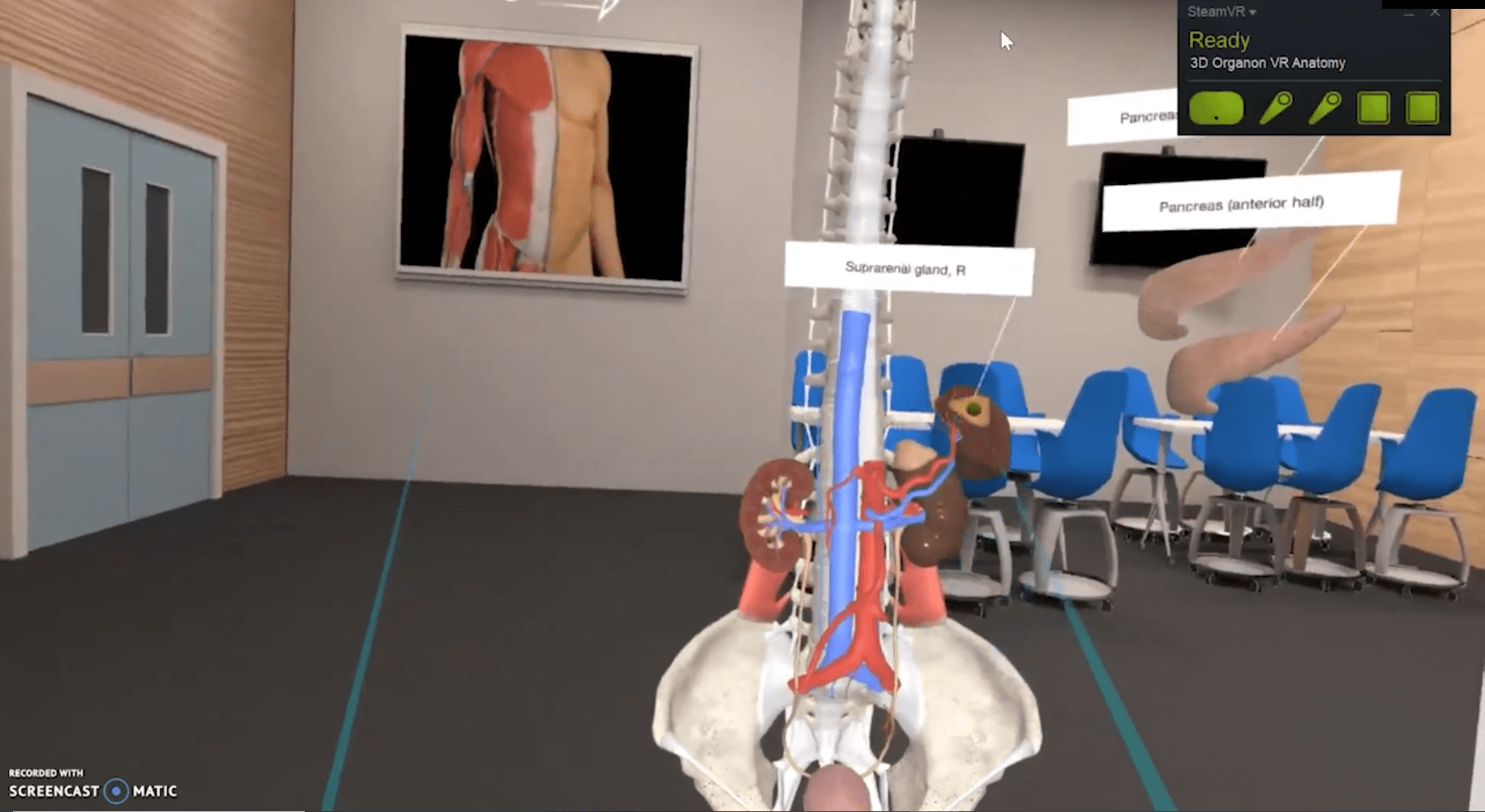
- Explore detailed human anatomy in 3D immersive environments
- Dissect, manipulate, and interact with organs virtually
- Conduct medical VR anatomy training exercises with real-time feedback
- Visualize complex systems with anatomy visualization in VR tools
- Collaborate with instructors and peers in shared VR spaces
- Reinforce learning through repeated, risk-free practice
The system unified anatomy education, hands-on practice, and digital collaboration into one integrated ecosystem. With VR human body simulation, students learned faster, retained more knowledge, and gained confidence before applying concepts in real-world clinical settings.
Challenges & Learning
- Accuracy: Ensuring medical-grade precision for anatomical models
- User Adoption: Designing intuitive VR interfaces for learners and instructors
- Performance: Optimizing large 3D models for smooth VR experiences
- Scalability: Supporting multi-user sessions across classrooms and remote learners
- Curriculum Alignment: Mapping VR experiences to diverse course requirements
These insights strengthened the reliability, usability, and educational impact of the VR human body simulation platform.
Client Deliverables
- Enterprise VR human body simulation platform
- Medical VR anatomy training modules
- Immersive anatomy visualization in VR environments
- Multi-user collaborative VR sessions
- Cross-platform VR access (headsets, desktops, tablets)
- Secure and scalable digital learning infrastructure
Conclusion
This project demonstrates how VR human body simulation is revolutionizing medical education. By combining immersive 3D models, medical VR anatomy training, and anatomy visualization in VR, the platform provides realistic, engaging, and safe learning experiences that medical institutions can trust.
Students gain deeper understanding, retention, and confidence. Educators gain tools for interactive teaching and performance tracking. Institutions gain scalable, future-ready medical training solutions. With VR human body simulation, anatomy education evolves from traditional methods into intelligent, immersive, and technology-driven learning ecosystems—built on accuracy, engagement, and long-term educational excellence.