
Overview
In today’s highly competitive property market, real estate brands must go beyond traditional brochures, static visuals, and site visits to capture buyer attention. This case study showcases how VR marketing for real estate was used to transform property presentations into immersive, interactive experiences that significantly improved buyer engagement and decision-making.
Designed for real estate developers, marketing heads, and sales teams, this solution demonstrates how VR marketing for real estate can bridge the gap between imagination and reality. By delivering a realistic virtual experience of residential and commercial projects, the brand was able to build trust, improve buyer confidence, and accelerate property sales even before physical site completion.
Project Requirement
The client wanted a modern marketing solution that could clearly communicate project vision to potential buyers, investors, and channel partners. Traditional methods were limiting buyer understanding, especially for under-construction properties.
The core requirement was to implement VR marketing for real estate that would:
- Present properties through immersive walkthroughs
- Improve buyer understanding of layouts, space flow, and design
- Support sales and marketing teams during presentations and meetings
- Enable remote property viewing through a seamless virtual experience
- Create scalable assets for ongoing and future real estate campaigns
The solution needed to combine visual realism with ease of use while supporting professional VR marketing services standards.
Project Planning
The planning phase focused on aligning the VR experience with real estate sales workflows. Buyer personas, sales touchpoints, and marketing objectives were carefully analyzed to ensure the solution delivered real business value.
Key planning considerations included:
- Identifying sales stages where VR marketing for real estate adds maximum impact
- Designing a guided virtual experience suitable for both technical and non-technical users
- Ensuring smooth accessibility across devices and platforms
- Structuring content to support sales pitches, exhibitions, and digital marketing campaigns
The planning ensured the VR solution was practical, sales-driven, and aligned with long-term marketing goals.
Project Process & Execution
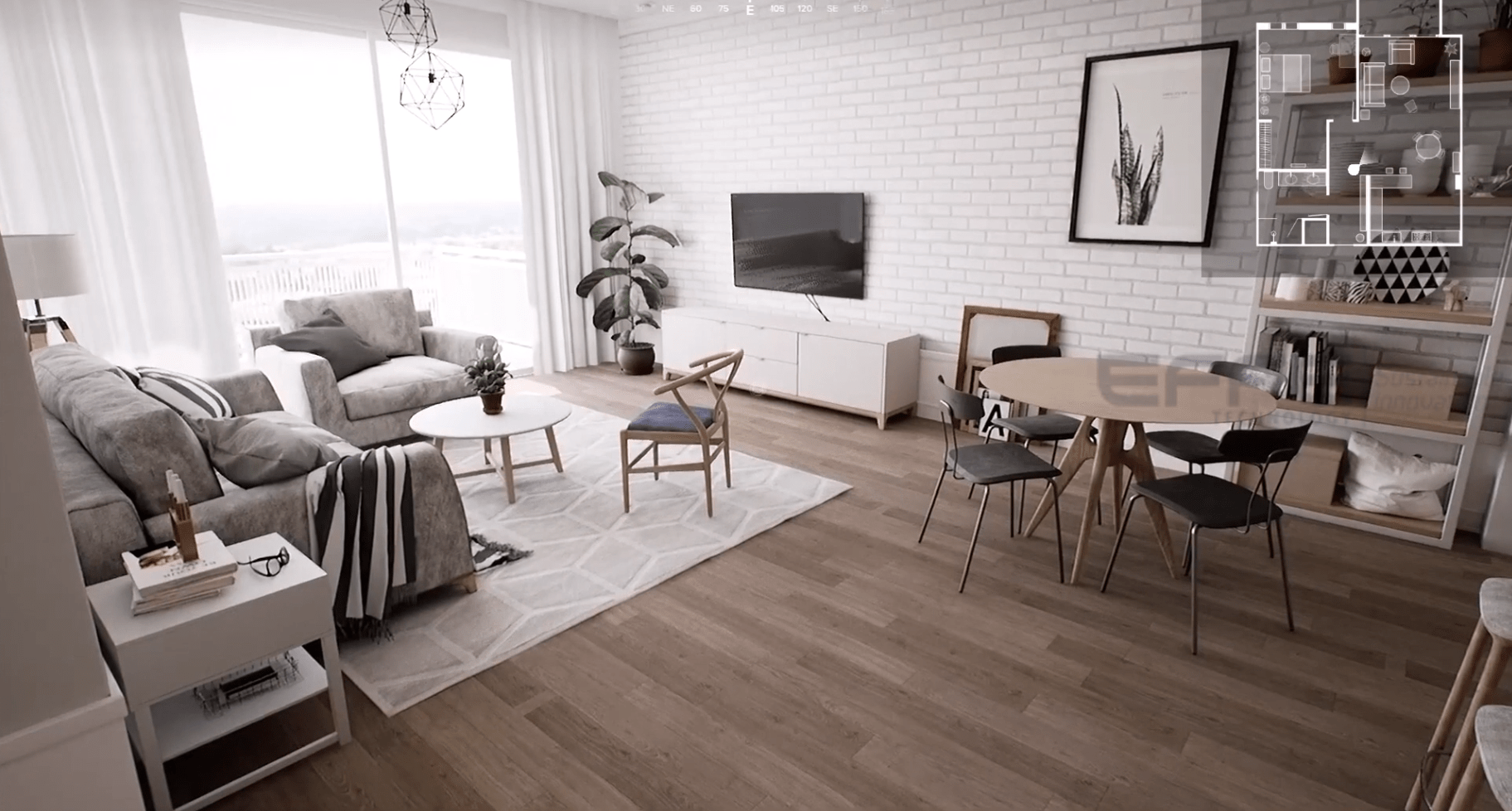
The execution began by converting architectural designs into high-quality, VR-ready environments. Using proven VR marketing services, the project was developed with realistic lighting, accurate proportions, and intuitive navigation.
Key execution highlights included:
- Development of immersive property walkthroughs
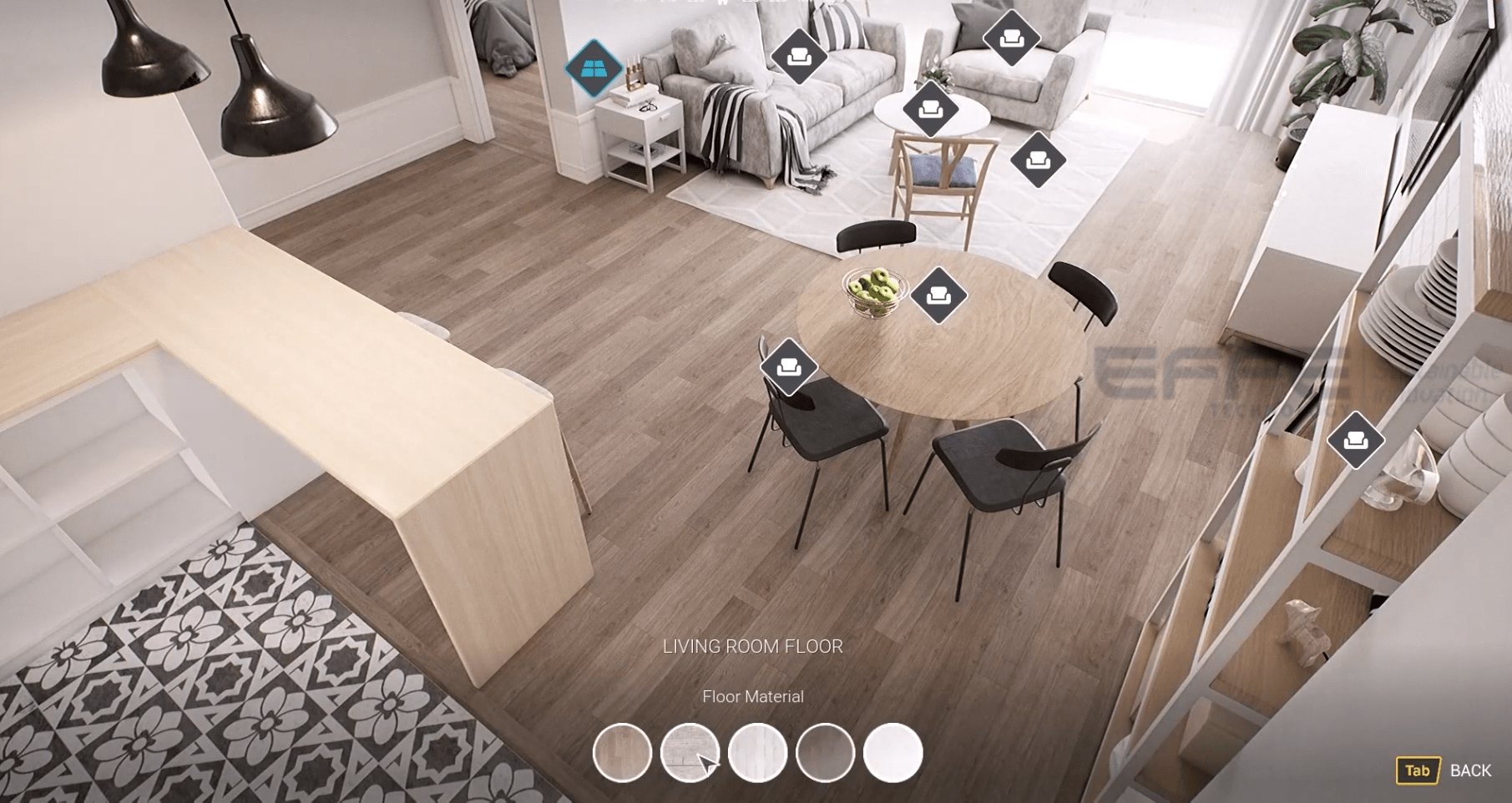
- Interactive elements allowing users to explore interiors and exteriors
- Optimized performance for smooth navigation and engagement
- Integration of branding elements to support marketing consistency
Through VR marketing for real estate, buyers were able to experience properties virtually, understand spatial details clearly, and emotionally connect with the project. The virtual experience reduced dependency on physical site visits while enhancing sales conversations.
Challenges & Learning
One of the main challenges was balancing visual realism with performance across devices. High-detail environments needed optimization to ensure smooth navigation. Another challenge involved simplifying navigation so first-time users could easily engage with the virtual experience.
Key learnings included:
- Buyers engage more when they can control the exploration
- Simplicity improves adoption of VR marketing for real estate
- Optimized assets are critical for scalable VR marketing services
- Immersive visuals significantly increase buyer confidence
These learnings strengthened the effectiveness of the overall solution.
Client Deliverables
- Immersive VR marketing for real estate walkthrough experience
- High-resolution virtual property environments
- Interactive assets supporting sales and marketing presentations
- Scalable VR content for future real estate projects
- Visual outputs suitable for digital campaigns and exhibitions
Conclusion
This case study proves that VR marketing for real estate is no longer an optional innovation—it is a strategic sales and marketing tool. By delivering a compelling virtual experience, the solution helped real estate stakeholders communicate value clearly, build buyer trust, and accelerate decision-making.
For developers and marketing teams seeking advanced VR marketing services, this project demonstrates how immersive technology can enhance engagement, reduce sales friction, and support faster property conversions. When executed with strategy and precision, VR marketing for real estate becomes a powerful driver of modern property sales success.