
Overview
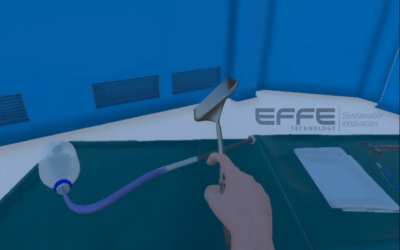
In today’s fast-paced construction environment, decision-making during the pre-construction phase plays a critical role in project success. This case study highlights how Construction VR visualization was implemented to transform traditional planning methods into an immersive, data-driven experience that improved clarity, collaboration, and confidence for stakeholders before construction began.
Designed for the construction & infrastructure industry, industrial and manufacturing project developers, and architecture and fit-out firms, this solution demonstrates how virtual reality can significantly reduce planning risks while enhancing stakeholder engagement.
Project Requirement
The client required an advanced Construction VR visualization solution that would allow teams to experience the project virtually before execution. The objective was to bridge the gap between complex 2D drawings and real-world understanding by introducing VR 3D construction walkthroughs.
The solution needed to:
- Enable stakeholders to explore building layouts at real scale
- Improve planning accuracy using Construction planning VR
- Validate designs and spatial relationships early
- Reduce design conflicts, rework, and costly changes
- Support future scalability as part of long-term Construction VR solutions
Project Planning
Our planning approach focused on aligning VR technology with real construction workflows. The experience was structured to reflect actual site movement, viewpoints, and planning discussions.
Key planning considerations included:
- Selecting the right VR platform for smooth performance
- Structuring the environment to support Construction planning VR use cases
- Identifying critical planning checkpoints where immersive VR adds maximum value
- Preparing scalable VR 3D construction assets for future project phases
This phase ensured the solution was not just visually impressive but practically useful for construction professionals.
Project Process & Execution
The execution phase began with converting detailed architectural and BIM data into optimized VR-ready assets. Accuracy was maintained while ensuring smooth real-time performance.
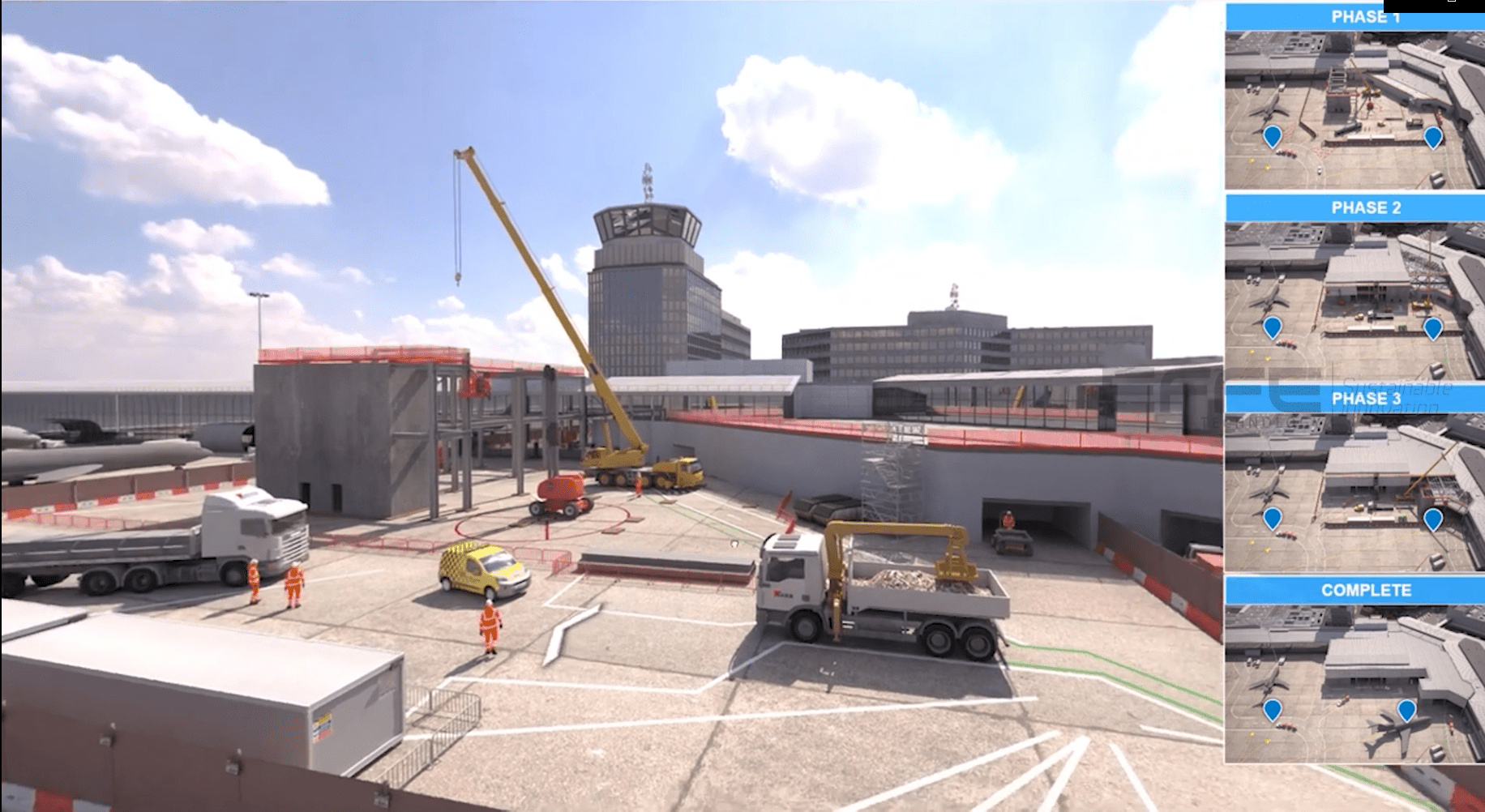
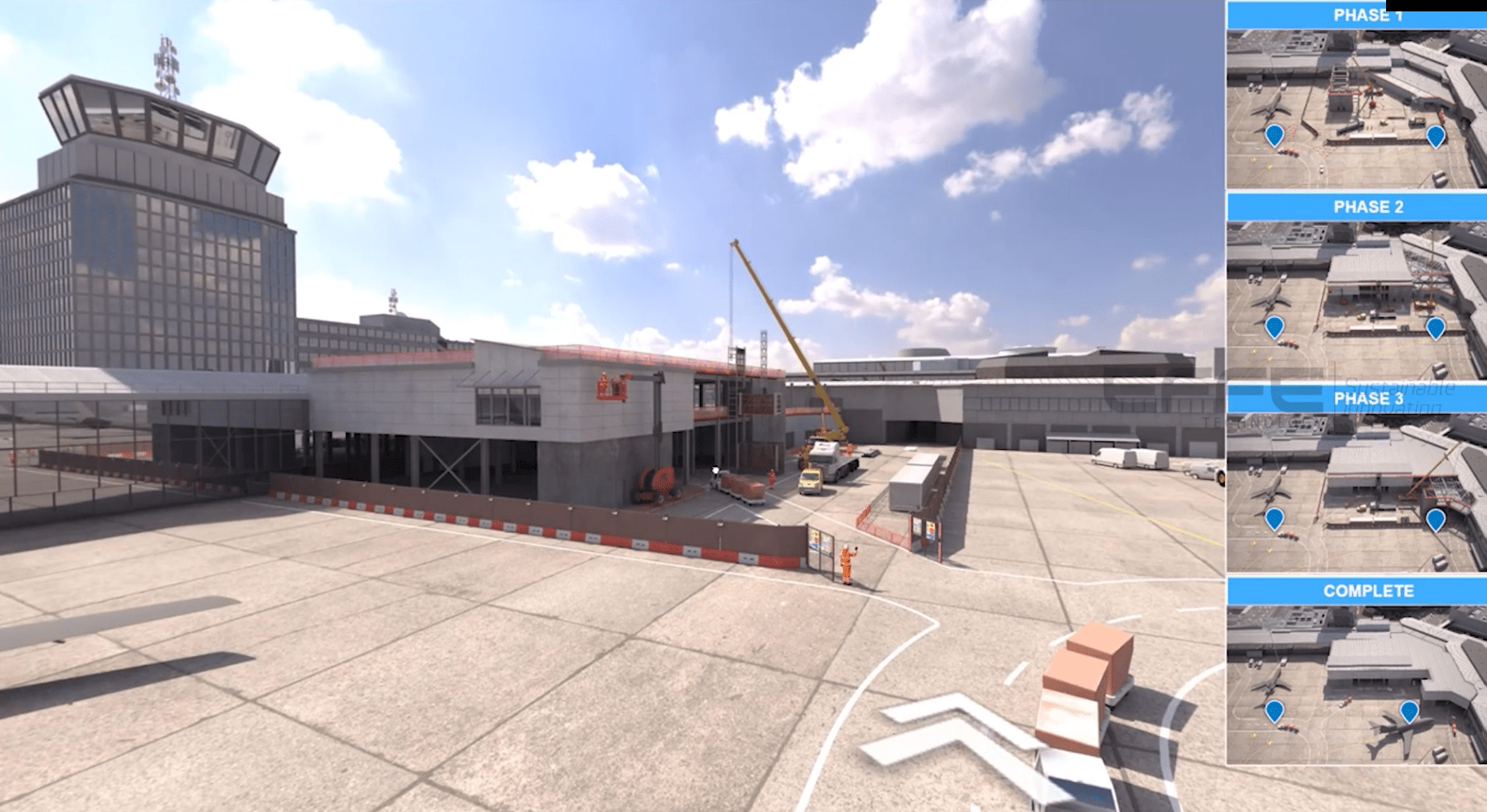
The Construction VR visualization experience allowed users to:
- Walk through the project virtually
- Review layouts, heights, and spatial flow
- Identify design inconsistencies early
- Conduct collaborative review sessions
By integrating Construction planning VR into design review meetings, teams were able to discuss issues directly inside the virtual model. This approach strengthened communication and demonstrated the practical value of immersive VR adoption during early project stages.
Challenges & Learning
Complex Construction Model Accuracy
Ensuring precise real-world dimensions in VR was challenging. Early optimization proved essential for reliable Construction VR visualization.
Visualizing Large-Scale Projects
Large construction sites can overwhelm users in VR. Structuring scenes and navigation improved usability in VR 3D construction environments.
Stakeholder Design Validation
Different stakeholders interpret drawings differently. VR walkthroughs created a shared understanding, reinforcing trust in Construction planning VR.
Balancing Detail and Performance
High realism is vital, but VR performance cannot be compromised. Achieving this balance became a key learning in delivering scalable Construction VR solutions.
Client Deliverables
- Fully immersive Construction VR visualization experience for pre-construction planning
- High-resolution 3D building and site models
- Interactive VR construction planning walkthroughs
- Optimized assets ready for future design updates and integrations
- Visual outputs suitable for client presentations and stakeholder approvals
Conclusion
This case study proves that Construction VR visualization is no longer just a visualization tool—it is a strategic planning solution. Through Construction planning VR, VR 3D construction, and scalable Construction VR solutions, stakeholders can make informed decisions early, reduce project risks, and move forward with confidence.
As demand for smarter planning grows, immersive VR technologies will continue to play a vital role in shaping the future of pre-construction decision-making.