
Overview:
In today’s fast-evolving consumer market, brands need more than traditional ads to stand out. Posters, product packaging, catalogs, and in-store banners have always been essential marketing tools, but modern customers expect interactive and memorable experiences. This is where AR for Marketing takes center stage.
We collaborated with a global tea brand offering a wide range of premium products including traditional Ceylon teas and instant bubble tea kits. The goal was to transform their packaging and marketing materials into something more immersive, helping customers learn, explore, and engage through Augmented Reality for Advertising.
With a simple scan of a QR code on their tea box, brochure, or store display, customers could instantly access delightful AR experiences such as product stories, brewing videos, and tasting tutorials.
This initiative not only elevated brand visibility but showed how AR can turn traditional print into an interactive journey with measurable results.
The Challenge:
The brand wanted to express its heritage, quality, and modern product range in a memorable and digital-first way. Traditional print communication alone could not deliver the desired level of engagement.
They needed a solution that could:
- Educate customers on brewing methods and flavors.
- Stand out on crowded retail shelves.
- Increase customer interaction and purchase confidence.
- Smoothly connect offline product packaging with online brand experiences.
This is where our team introduced Augmented Reality for Advertising, using QR codes linked to immersive product content.
The Solution: AR for Marketing:
We designed AR-enabled packaging and promotional materials featuring QR codes. When scanned using a smartphone, the customer entered an AR experience displaying product videos and tutorials.
For their traditional Ceylon tea range:
- Scanning the QR revealed a storytelling video about the origin of Ceylon tea, plantations, and how the brand maintains quality.
For their instant bubble tea kits:
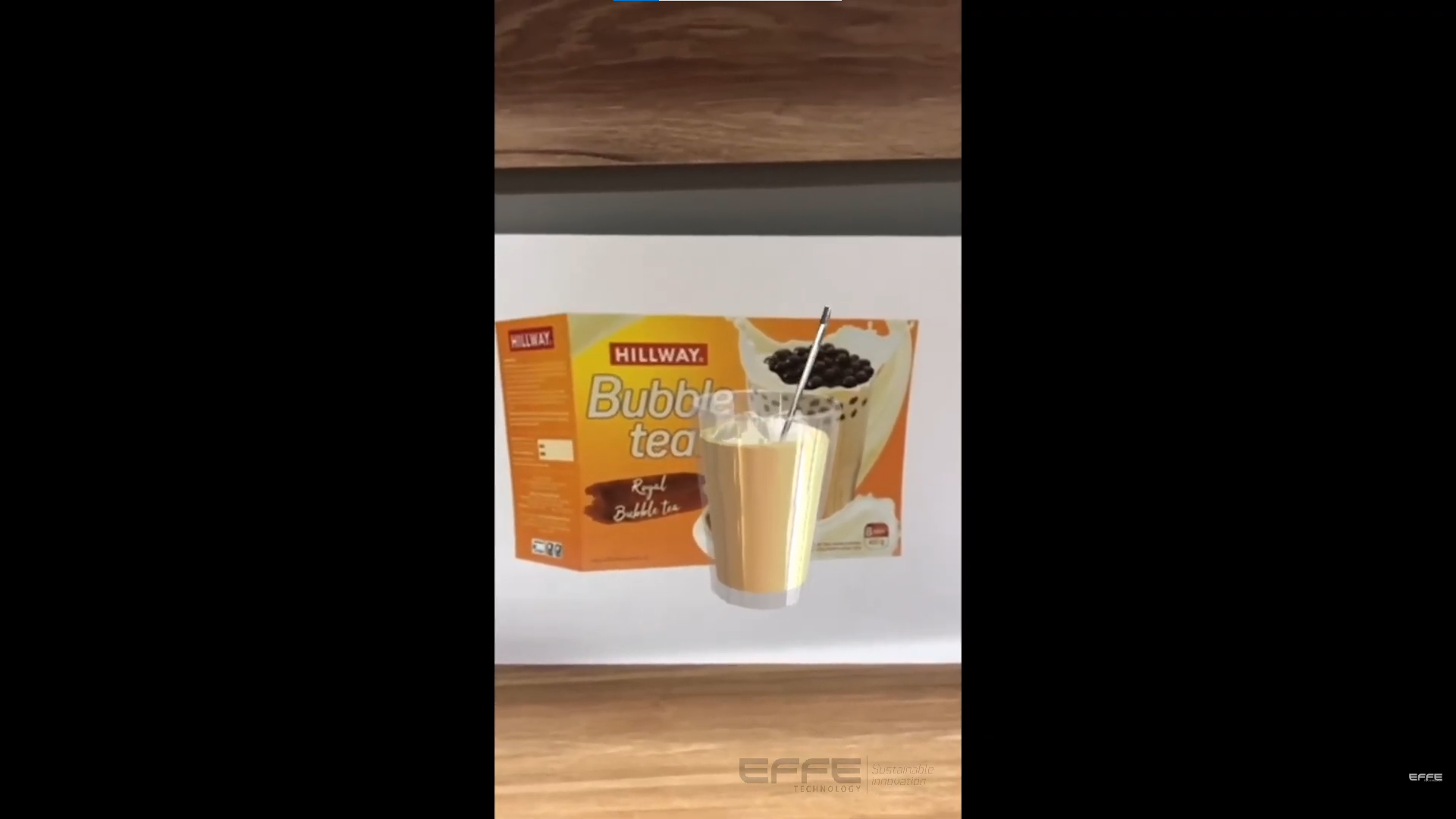
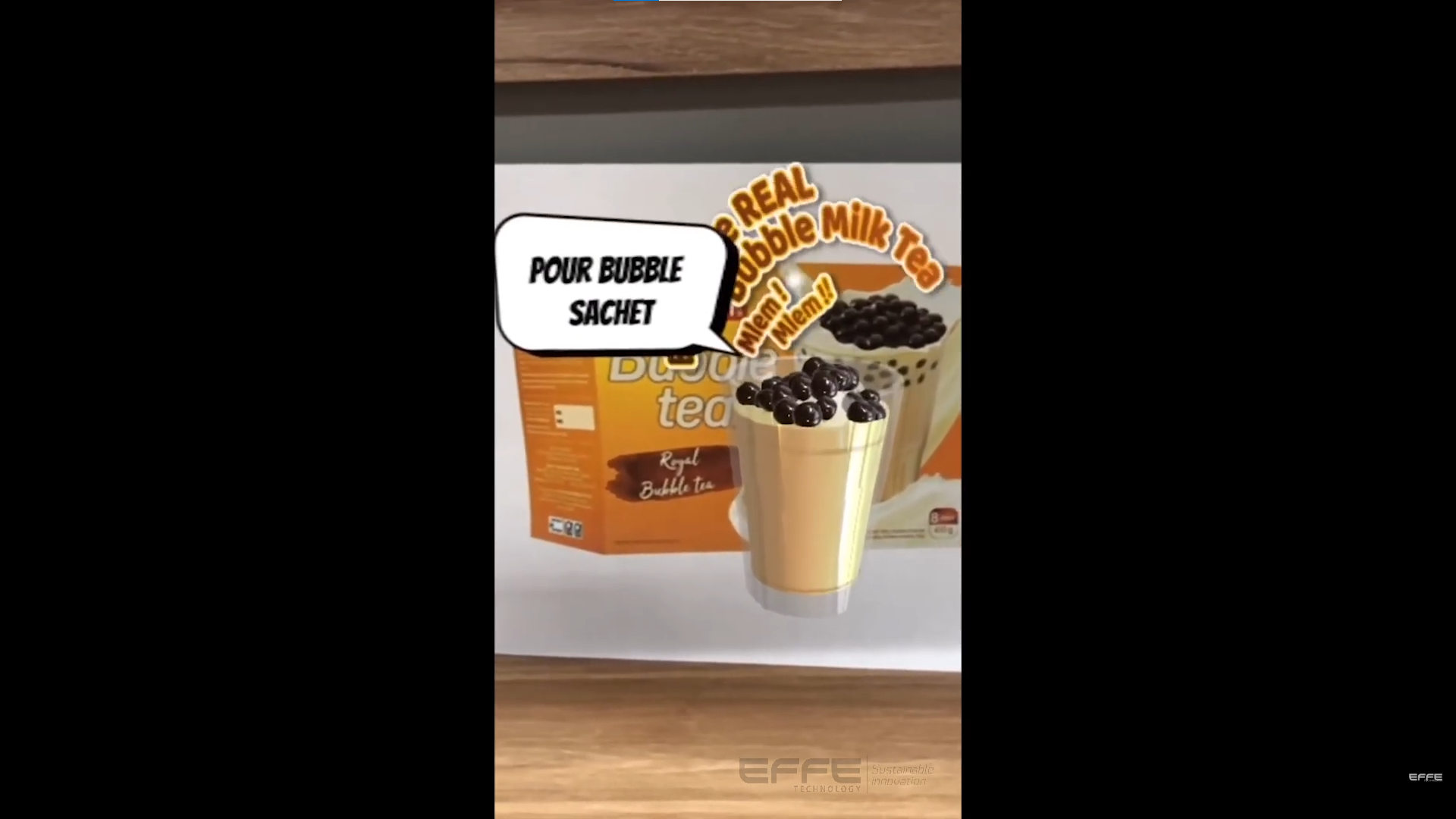
- Users could watch a 3D brewing video demonstrating how to prepare the drink at home step-by-step.
- The AR experience also highlighted flavors, ingredients, health details, and creative serving ideas.
This concept extended across:
- AR packaging
- AR catalogue
- In-store AR banners
- AR brochures
Customers could interact with the brand the moment they held the product—making purchasing decisions easier and more informed.
This project was not just about technology—it was about blending tradition, culture, and storytelling into a consumer-friendly experience.
Execution:
Creative Design
We designed packaging, POS banners, brochures, and catalogs that naturally integrated QR codes without disrupting visual appeal.
Video & Content Production
Engaging videos were developed, including:
- Tea origin stories
- Brewing tutorials
- Product benefits
- Bubble tea preparation demos
AR Integration
Each QR code was linked to a web-based AR viewer so that users could experience AR instantly without downloading an app.
Testing & Launch
The AR experiences were tested across major devices to ensure fast scanning, smooth playback, and high-quality visuals.
In just a few seconds, anyone scanning the code could watch the brand’s story come alive.
How It Works:
Step 1 – Scan the QR Code
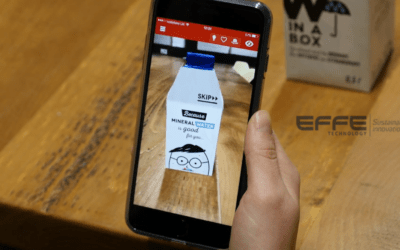
Users point their phone’s camera, QR app, or Google Lens at the packaging.
Step 2 – Open the AR Page
They are redirected to a web-based AR viewer and prompted for camera access.
Step 3 – Scan the Product Box or Material
The system recognizes the product packaging or brochure design.
Step 4 – Watch the AR Experience Begin
Storytelling video or brewing tutorial begins playing over the print surface.
Step 5 – Engage Further
Users can follow CTAs including:
- Learn more
- View recipes
- Share with friends
- Visit online store
Results & Impact:
The AR campaign demonstrated the power of AR for Marketing in the beverage industry:
- Increased Engagement
Customers spent up to 4x longer interacting with the product compared to static packaging. - Memorable Brand Experience
Videos helped customers understand product origins, preparation steps, and unique values. - Boost in Conversions
Buyers who interacted with AR were more confident and more likely to purchase. - Consistent Cross-Platform Presence
AR worked seamlessly across packaging, catalogs, brochures, and retail displays.
This project showed that Augmented Reality for Advertising in FMCG products can deliver measurable results and create a distinctive market advantage.
Why AR for Marketing Works:
- Connects offline product surfaces with meaningful online interactions.
- Makes traditional packaging interactive and dynamic.
- Helps consumers emotionally connect with brand stories.
- Differentiates brands in competitive retail environments.
While many companies today are exploring AR, the real success lies in combining technology with what truly matters—narrative, education, and customer delight. This tea brand proved how AR smart marketing can transform product packaging into a storytelling platform.
Conclusion:
This case study demonstrates how AR for Marketing and Augmented Reality for Advertising can revolutionize customer engagement in the tea industry.
By turning everyday items like a tea box or store poster into interactive gateways, the brand:
- Increased engagement
- Enhanced customer knowledge
- Improved purchasing decisions
- Built stronger loyalty
The future of FMCG marketing lies in blending traditional branding with immersive digital tools. With AR, brands can connect more meaningfully, deliver richer experiences, and make every product touchpoint unforgettable.