
Project Title:
VR Safety Training Module for Electronics Manufacturing Workforce
Short Description:
This project focuses on developing a fully immersive Virtual Reality (VR) training solution for an electronics manufacturing company to enhance employee understanding of workplace safety, operational best practices, and emergency response. The experience introduces high-risk scenarios in a controlled digital environment where workers can learn, practice, and evaluate their knowledge without real-world exposure. The solution demonstrates the increasing adoption of virtual reality in electronic industry operations and showcases the effectiveness of VR safety training for electronics industry workforce development.
Project Requirement:
The client, a major electronics manufacturer, faced challenges in maintaining consistent safety training across their growing workforce. New recruits often needed extensive training on:
- Handling sensitive electronic components
- Safety protocols in production lines
- ESD (Electrostatic Discharge) standards
- PPE (Personal Protective Equipment) compliance
- Electrical hazard response
- Machine operation awareness
- Emergency procedures
Traditional classroom learning was not engaging enough, and training outcomes were inconsistent. The company required an interactive digital training solution that could:
- Standardize safety training for all employees
- Minimize training time while improving retention
- Allow realistic practice without real-world risks
- Track individual learning performance
- Improve workplace compliance and reduce accidents
Project Planning:
The project planning phase included:
- Requirement analysis meetings with safety officers and production heads
- Identifying high-risk zones within the factory
- Mapping training objectives with VR modules
- Creating user flow and instruction design
- Selecting hardware – Oculus/HTC VR devices for deployment
- Developing an assessment-based learning structure
The plan focused on creating a multi-level training experience that employees could complete step-by-step, from basic safety orientation to advanced hazard simulation.
Project Process & Execution:
- Content Development
We documented real production floor operations, created safety scripts, and finalized process guidelines. The content covered:
- Electronic component handling
- Machine interaction
- Fire and electrical emergency drills
- PPE compliance
- ESD safety demonstration
- Spill response
- Evacuation procedures
- 3D Environment & Asset Creation
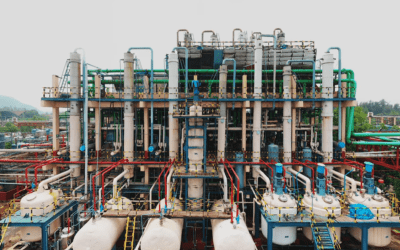
A realistic 3D replica of the client’s manufacturing facility was developed, including:
- Production lines
- SMD machines
- Assembly stations
- Storage racks
- Electrical units
- Safety marking zones
- Interactive VR Simulation
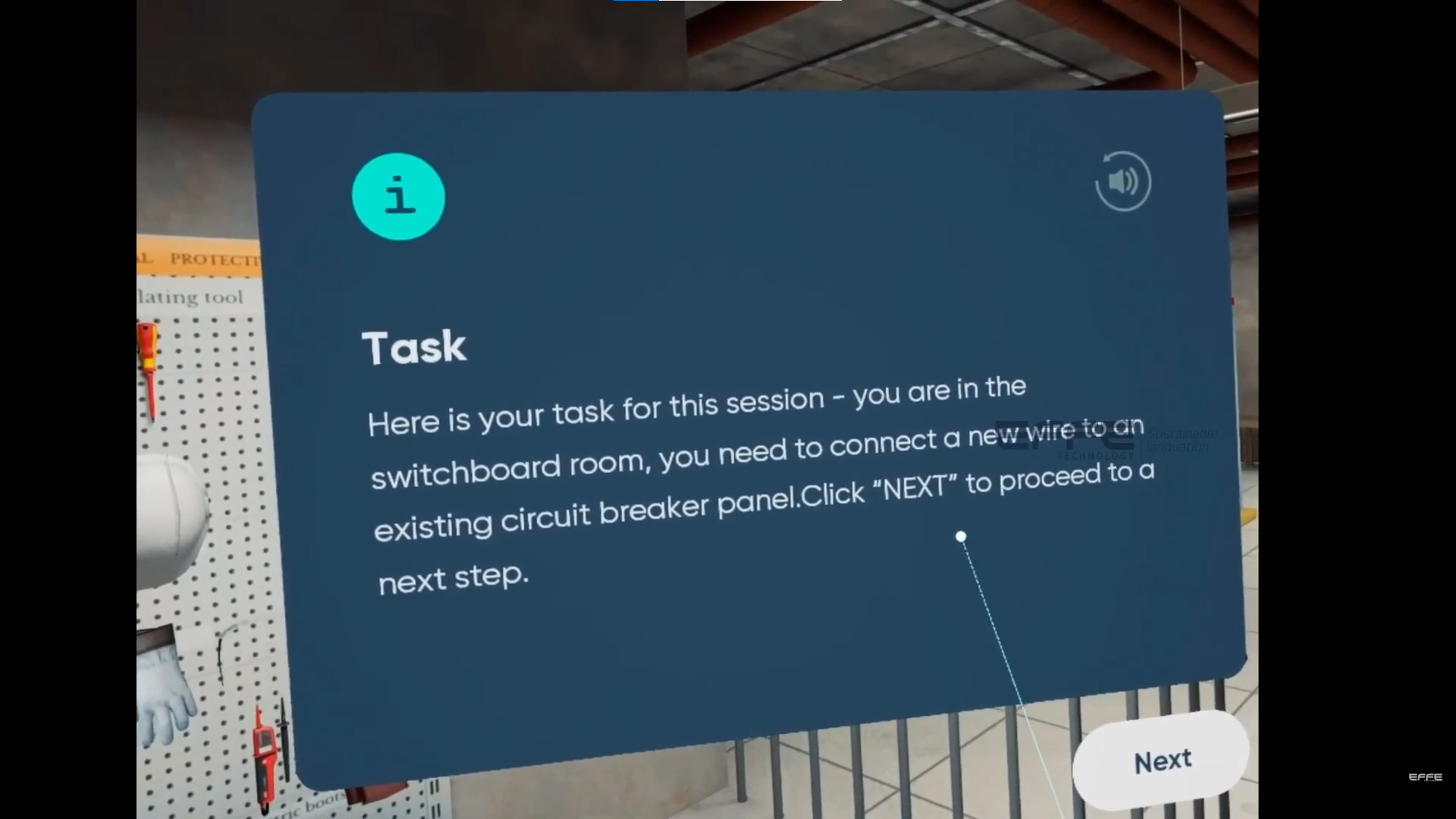
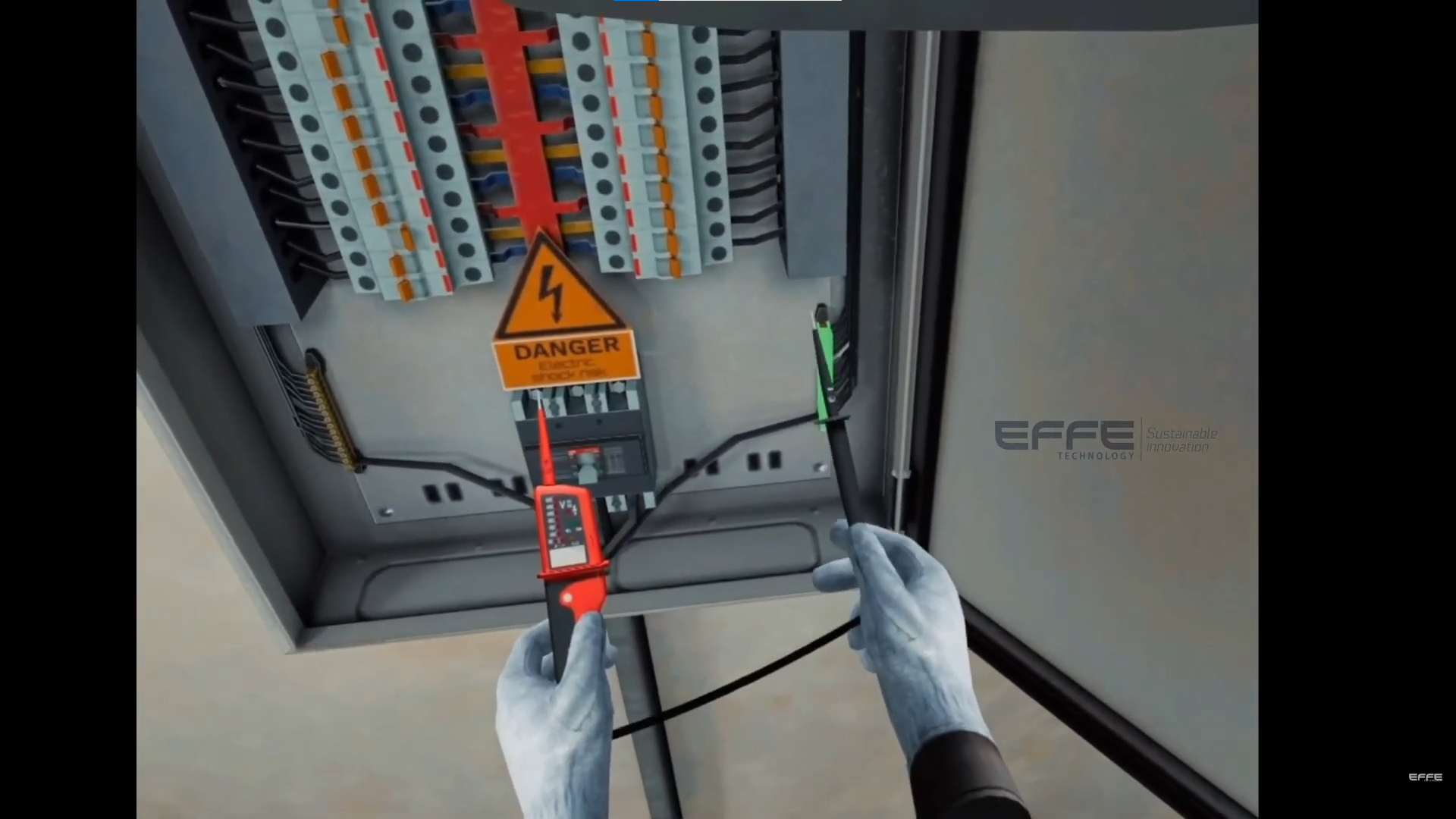
Employees could put on a VR headset and enter a realistic factory environment where they:
- Follow step-by-step guided tasks
- Identify hazards such as exposed circuits, metallic tools near boards, improper PPE use, or fire sources
- Experience real scenarios like short circuits, ESD failures, and equipment malfunction
- Practice correct actions using interactive controllers
- Scoring & Skill Evaluation
Each session included measurable outcomes:
- Time taken
- Errors made
- Correct responses
- Safety compliance percentage
This helped the management evaluate employee readiness before entering the real workspace.
- Multi-language Experience
The training was designed with multi-language support to train workers from diverse backgrounds effectively.
Challenges & Learning:
- Recreating technical workflows accurately required deep production knowledge
- Emergency simulation visuals needed multiple iterations for realism
- Users with no VR experience needed simplified navigation
- Hardware compatibility testing was crucial for smooth deployment
However, the process also delivered key insights:
- VR increased understanding of high-risk safety concepts
- Workers retained information better through immersive learning
- Training became more engaging and measurable
Client Deliverables:
- Full VR safety training application
- Multi-level training modules
- Realistic 3D production environment
- Assessment dashboard and scoring system
- User tutorial and VR navigation guide
- Deployable package for VR headsets
- Documentation and maintenance support
Conclusion:
This project proved that Virtual reality in electronic industry environments can drastically improve safety outcomes by enabling hands-on learning without real risks. The VR safety training for electronics industry solution helped the client reduce training time, improve knowledge retention, standardize skill development, and create a safer workplace.