
Client Overview
A global leader in vertical transportation sought to modernize their elevator sales process through a digital transformation initiative. Their goal was to empower the sales team with a powerful tool to present new elevator models more effectively, especially when replacing old installations. The focus was on improving visualization, measurement accuracy, and decision-making—all through a user-friendly augmented reality (AR) experience. This initiative marked a pioneering use of AR in Elevator Industry applications.
Project Objective
The objective was to build an AR-based application tailored for the sales team to demonstrate and configure new elevators over existing installations. The challenge was to provide an immersive, real-time solution that allows clients and sales professionals to visualize how a new elevator would appear in place of the current one. This had to be achieved without the need for physical samples or technical expertise, enabling faster and more confident decision-making during the sales process.
This project serves as a benchmark for how AR in Elevator Industry can enhance field operations and elevate customer experience.
The Solution: AR-Based Elevator Visualization App
Our team developed a mobile AR application designed specifically for field sales operations.
This tool allows team members to:
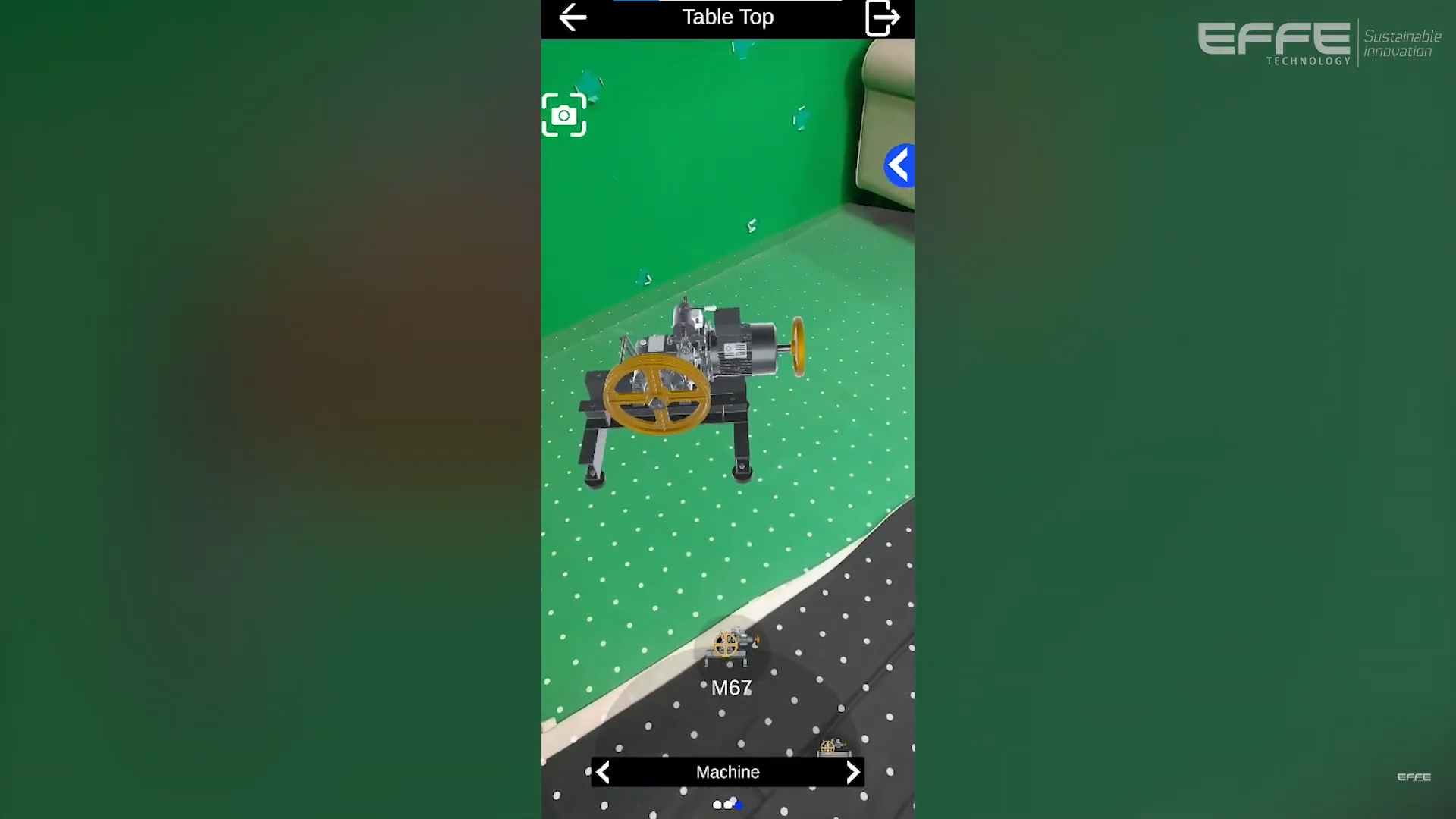
- Visualize new elevator models directly over existing installations using smartphones or tablets
- Measure the available space using integrated AR tools for compatibility checks
- Customize basic features like door types, materials, colors, and dimensions
- Capture and share configuration summaries with internal teams and clients
This AR in Elevator Industry solution gives sales representatives the ability to present tailored elevator options in real-time, significantly improving communication and transparency with prospective buyers.
Key Features
- Real-World AR Visualization
Sales teams can overlay new elevator models onto current setups at customer locations. This helps clients instantly see how the new elevator will fit and appear, making abstract ideas tangible. AR in Elevator Industry empowers decision-makers with true-to-scale previews before any installation begins.
- AR Measurement Capabilities
Using mobile devices, users can measure existing spaces to validate whether a proposed elevator model fits—reducing the risk of errors and delays in planning.
- On-the-Spot Customization
With options to adjust finishes, sizes, and panel styles, the app allows interactive customization based on client preferences. All updates are shown in real-time AR, showcasing the flexibility of AR in Elevator Industry applications.
- Simplified Sales Process
The application is designed for non-technical users, enabling sales representatives to independently demonstrate product fit and compatibility without requiring engineering input on-site.
Results & Impact
- Faster Decision-Making: Buyers could see the new elevator in their space, leading to quicker approvals and reduced sales cycle times.
- Improved Visualization: The AR preview eliminated confusion or uncertainty about what the final installation would look like.
- Empowered Sales Team: Without needing deep technical knowledge, sales personnel were able to assess and recommend suitable models confidently.
- Reduced Rework: Accurate AR measurements helped avoid sizing errors and compatibility issues, streamlining the installation process.
The success of this initiative highlights how AR in Elevator Industry can redefine traditional sales and planning workflows.
Why AR for Elevator Sales Matters
This project highlights the value of AR in Elevator Industry for modernizing the sales journey. By enabling real-time visualization over existing infrastructure, this tool bridges the gap between concept and reality. It helps buyers make confident choices and empowers sales teams to deliver value faster, all without needing advanced technical skills.
The approach demonstrates how immersive AR technology can be a practical, scalable solution for complex B2B product configurations—especially when replacing legacy systems.
Technical Stack Overview
- AR Platforms: ARKit, ARCore
- Mobile Development: Unity3D
- Web Interface: ReactJS + WebAR
- Backend & Sync: Firebase, Node.js
- 3D Asset Creation: Blender, Autodesk 3ds Max
This robust technology stack ensures compatibility across devices, quick rendering, and high accuracy—further reinforcing the practical utility of AR in Elevator Industry implementations.
Conclusion
The AR configurator transformed how new elevators are proposed and sold in the field. By offering instant visualization and interactive measurement tools, the app made it easier for both sales reps and clients to move quickly from discussion to decision.
For manufacturers seeking smarter sales workflows, AR in Elevator Industry is no longer optional—it’s essential. With the right tools, selling complex products becomes simpler, faster, and more effective.
Let’s reimagine the future of field sales—immersive, measurable, and intuitive with AR in Elevator Industry.